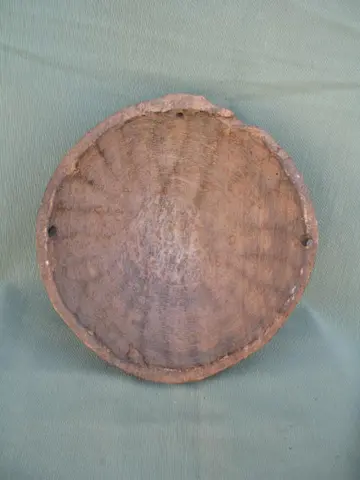
Female Kifwebe mask
The Luba mask is very similar to the female mask kifwebé of the Songyé, which is more rounded, although the male mask…
MFC-6

List of the historical catalogue
Text and organisation of the original catalogue · Jesús Arrimadas Saavedra
FOR ENLARGEMENT SEE “NEGRO-AFRICA ARTISTICAL EthOGRAPHY”, upper right tab. FUNERARY AND CULTURE MASCARAS TO THE BACKGROUND. All the masks that participate in the cult of ancestors and that accompany their dances at burials are sacred masks. Sacred masks are the incarnation of divinities, nature geniuses or ancestors. The cult of ancestors should not be confused with cults or funeral rites. The latter occur on the occasion of the death of a person. The liturgical celebrations by the notables and elders are of a special character. Rites vary according to ethnicity. The most common are funerals, which are held shortly after death. In some places the wafers accompany the deceased with their cries and prayers while he is present and the masks, on the day of the burial, accompany the deceased until his last abode. In some cultures the corpse is exposed on a high pyre and cremated within two to three days. Another important funeral ceremony is the lifting of mourning, which, although usually around the forty days of burial, also varies according to the peoples. Usually masks do not participate in this rite. Although there are commemorative ceremonies for the deceased, they should not be confused with the cult of ancestors, as the ancestor and the deceased cannot be identified. Not all the deceased become ancestors, as we have explained elsewhere in this Catalogue, there are differences that manifest themselves even in the statues that represent them, offering those of the ancestors a more perfect finish. The cult of ancestors can be summed up in the word “everything” because, in animistic societies, everything worships ancestors. The ancestor is the central figure, he is present in all the activities of the village, he presides over the life of the peoples. No decision shall be made or any project undertaken without consultation, through the priests, the corn, oracles or rites. There are different categories of forefather masks: those that embody his spirit, which are the most sacred, those that he has left as an inheritance, those whose realization he has inspired in some dream or those that exclusively dance in his honor.
129 objects · page 5 of 6
The Luba mask is very similar to the female mask kifwebé of the Songyé, which is more rounded, although the male mask…
MFC-6
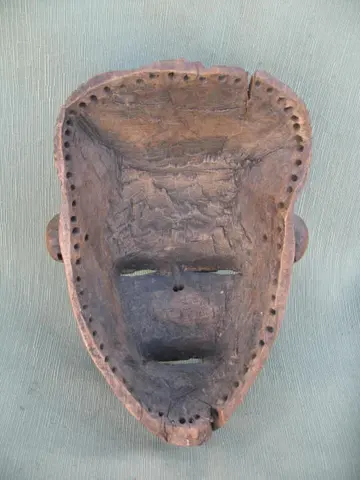
These masks. mwana-pwo represent the beauty of the young woman who evokes, at the same time, the ancestral mother, Pwo, the first…
MFANT-186
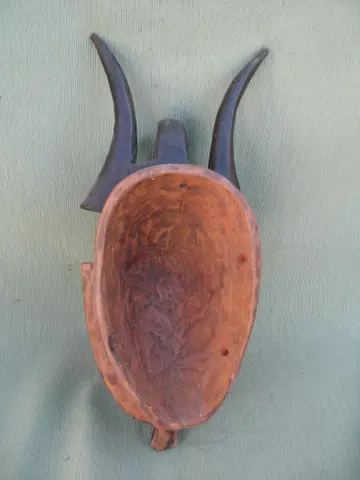
This mask represents the spiritual power or “Yu”. His artistic canons are quite similar to those of his neighbors.
MFAZ-87
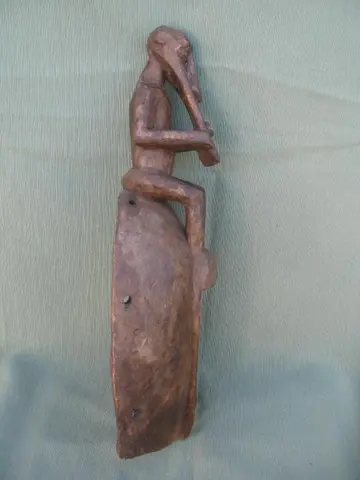
The monkey mask is one of the numerous masks of animals participating in the Lady's ceremony, although it is true according to…
MFAZ-88
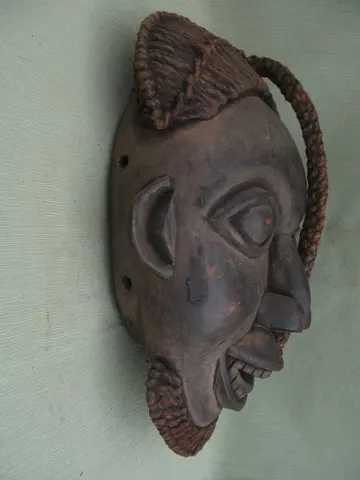
Although we catalogue this Ngoin mask as a bamún mask because it is the ethnic group in which it is most represented,…
MFC-7
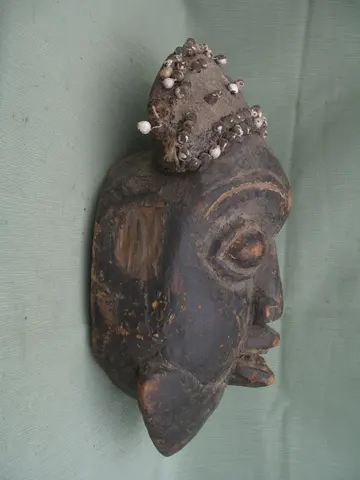
Mask used in evening ceremonies in honor of the deceased. Kam is Ngoin's husband, the female mask.
MAVA-2
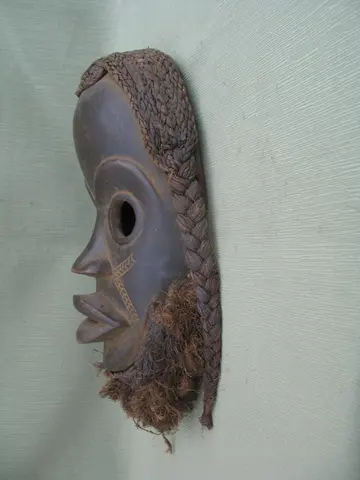
The mask, according to its function, playful, legal, social, will take various forms, but it will always be a genius or a…
MFANT-195
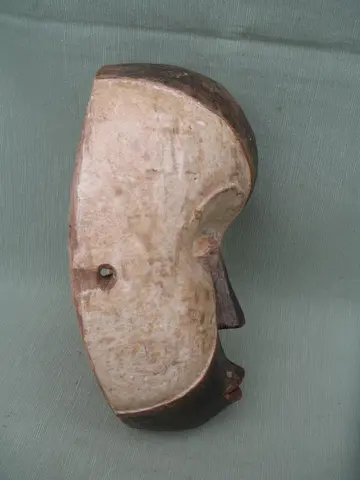
The Galoa they are established south of Lambarené, on the banks of the Ogoué River.
MFAZ-92
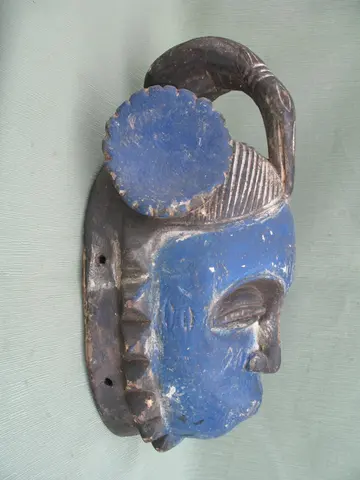
Society ingun is especially linked to the cult of ancestors.
MFANT-197
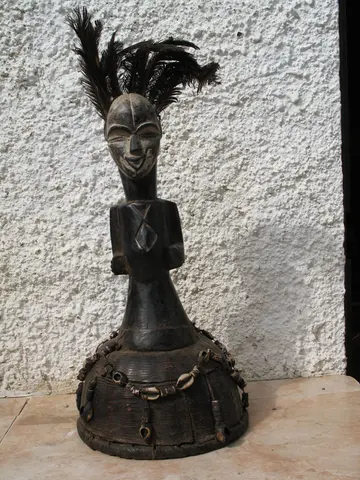
Mask helmet intended to participate in ceremonies held in honor of the deceased.
MCYC-48
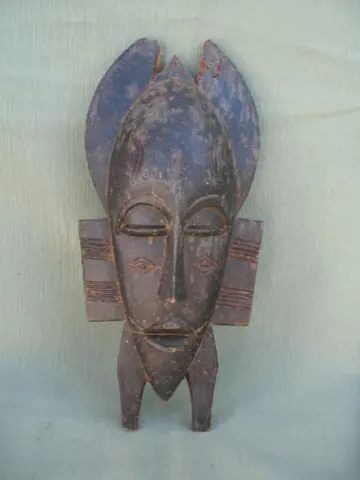
The masks of the Djimini represent the good geniuses or the spirits of the ancestors.
MFAZ-96
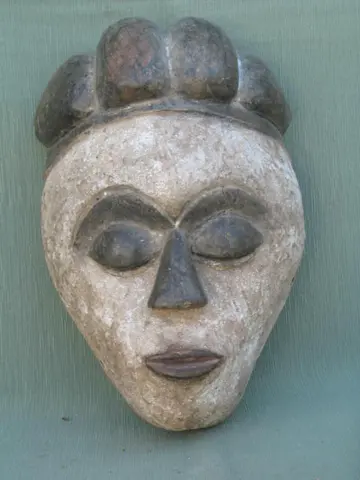
Mask intended to participate in funeral ceremonies and the cult of ancestors.
MFANT-203
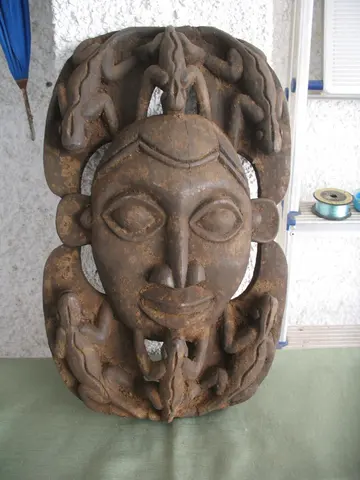
The mask Ngoin is widespread in almost all the kingdoms of Grassland or Grassfiels, is a feminine mask, with softer features than…
MFAZ-98
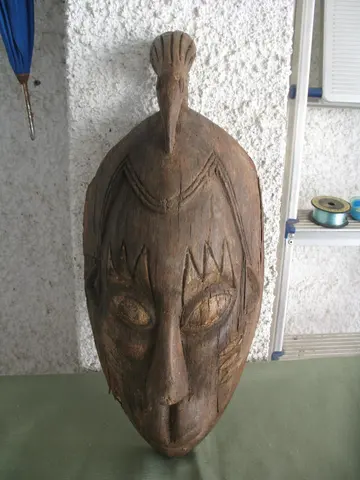
Mask of the deceased used in funerals and funerals of the notables of the secret society Epa.
MFANT-206
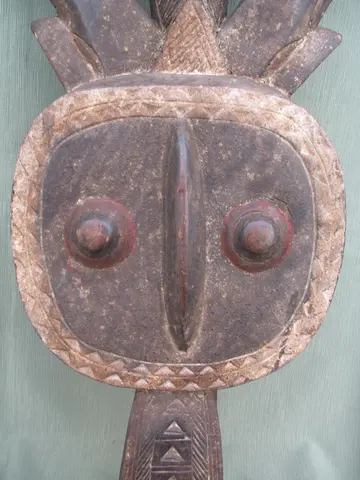
Great affinities and similarities with the Baga and the Nalu They live on the Boké Plateau, in the Kakandé, where they would…
MFG-81
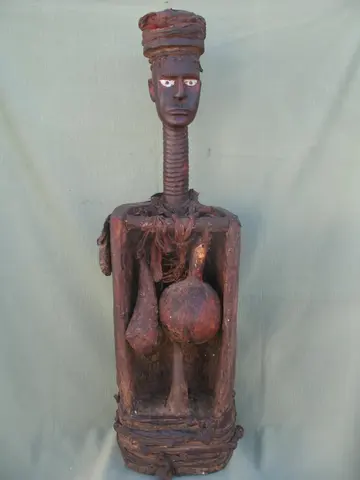
Family altar intended to worship ancestors.
OYA-14
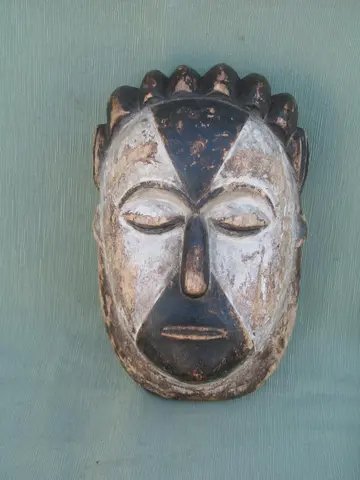
Mask intended to dance at funerals. Serious face as the circumstance requires.
MFANT-215
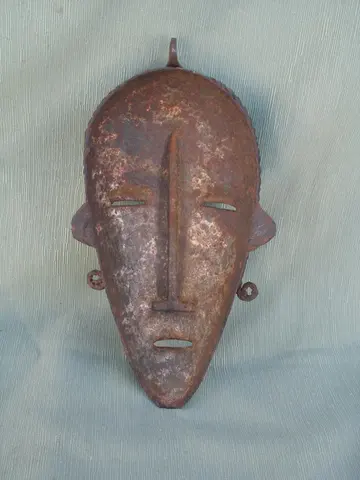
Normally metal masks do not have a ritual value, but the iron masks of the Bambara are masks of funerfals, commissioned to…
BR-33
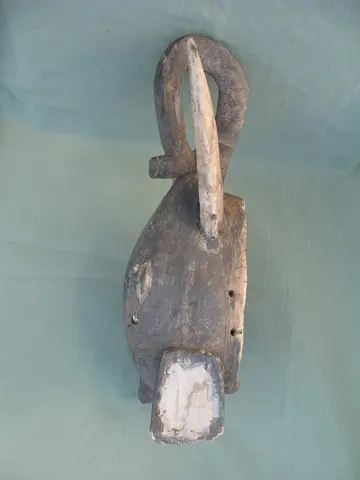
The elephant mask could not be missing in a country that has made this animal its national teaching.
MFZ-54
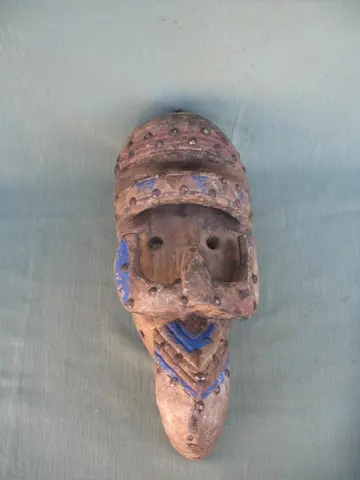
Mask belonging to a society of hunters.
MFZ-55
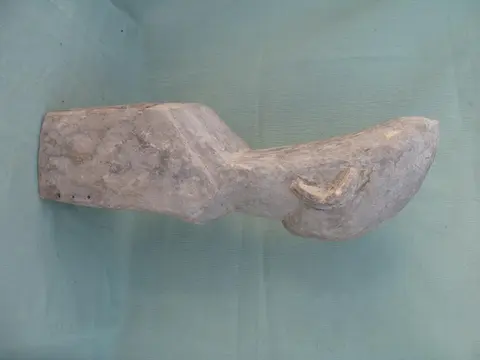
Among the numerous masks of the Dogon featured his anthropo-zoomorphic monkey masks.
MFAZ-111
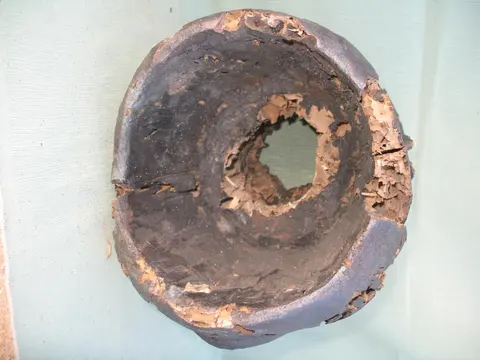
Realistic-looking mask, something weird on the bamún masks. By the factions it is a female mask, Ngoin.
MFANT-219
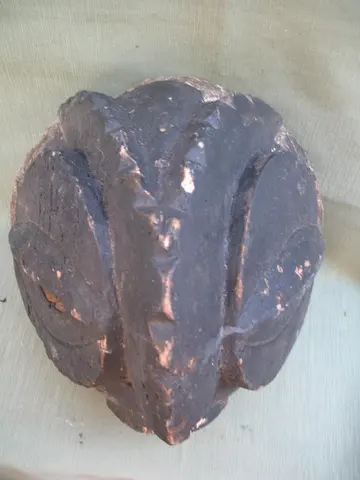
Curious and rare funeral mask that presents circular and exaggeratedly large eye orbits as well as the eyeballs, with large eyelids, that…
MFANT-220
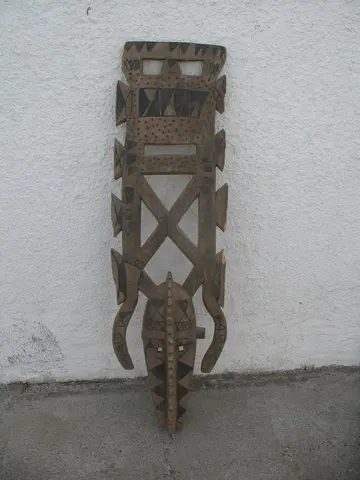
The Neweka mask is a mask belonging to the blacksmith caste of the Bobo Fing and used mainly in mourning uprisings and…
MFG-87


