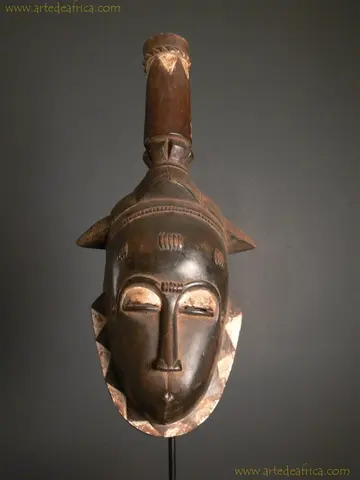
Facial Mask
Mask that presents the usual delicacy of strokes of the faces of masks yauré.the mask stands a so much finely sculpted.
MFANT-163

List of the historical catalogue
Text and organisation of the original catalogue · Jesús Arrimadas Saavedra
FOR ENLARGEMENT SEE “NEGRO-AFRICA ARTISTICAL EthOGRAPHY”, upper right tab. FUNERARY AND CULTURE MASCARAS TO THE BACKGROUND. All the masks that participate in the cult of ancestors and that accompany their dances at burials are sacred masks. Sacred masks are the incarnation of divinities, nature geniuses or ancestors. The cult of ancestors should not be confused with cults or funeral rites. The latter occur on the occasion of the death of a person. The liturgical celebrations by the notables and elders are of a special character. Rites vary according to ethnicity. The most common are funerals, which are held shortly after death. In some places the wafers accompany the deceased with their cries and prayers while he is present and the masks, on the day of the burial, accompany the deceased until his last abode. In some cultures the corpse is exposed on a high pyre and cremated within two to three days. Another important funeral ceremony is the lifting of mourning, which, although usually around the forty days of burial, also varies according to the peoples. Usually masks do not participate in this rite. Although there are commemorative ceremonies for the deceased, they should not be confused with the cult of ancestors, as the ancestor and the deceased cannot be identified. Not all the deceased become ancestors, as we have explained elsewhere in this Catalogue, there are differences that manifest themselves even in the statues that represent them, offering those of the ancestors a more perfect finish. The cult of ancestors can be summed up in the word “everything” because, in animistic societies, everything worships ancestors. The ancestor is the central figure, he is present in all the activities of the village, he presides over the life of the peoples. No decision shall be made or any project undertaken without consultation, through the priests, the corn, oracles or rites. There are different categories of forefather masks: those that embody his spirit, which are the most sacred, those that he has left as an inheritance, those whose realization he has inspired in some dream or those that exclusively dance in his honor.
129 objects · page 4 of 6
Mask that presents the usual delicacy of strokes of the faces of masks yauré.the mask stands a so much finely sculpted.
MFANT-163
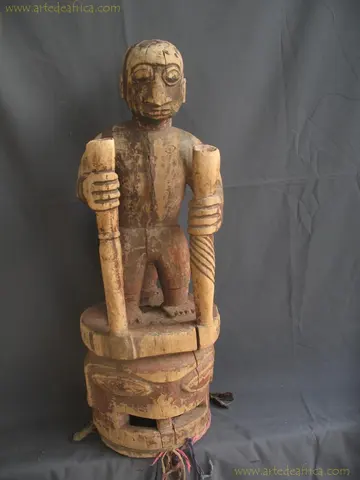
Epa masks take part in the cult of the same name, also called elefon in Benin.
MFG-59
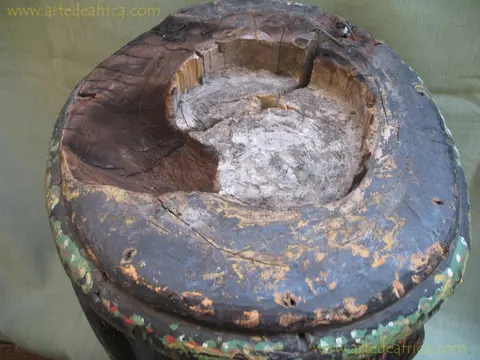
These masks belong to the secret society idiongThey represent an ancestor tormented by an illness.
MFG-61
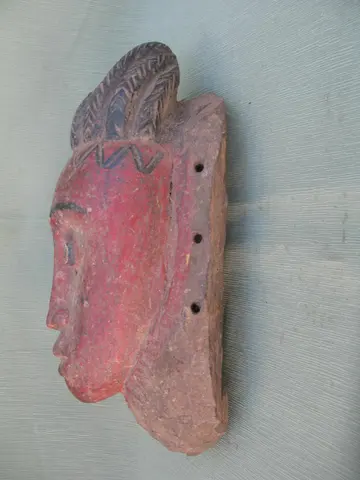
Face mask, settler type, painted red with industrial paint. The eyebrows and hair painted black, and eyes in black and white.
MFANT-168
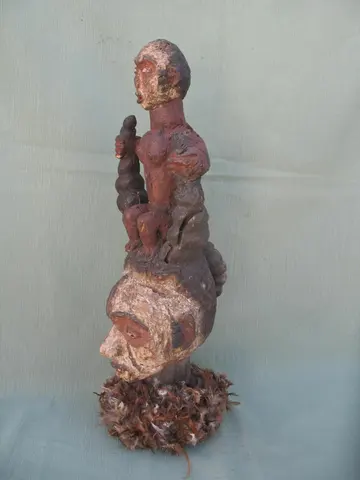
A cymer representing a human head, with horns, on which appears a female character painted in red, sitting and gripping the horns.
MCYC-45
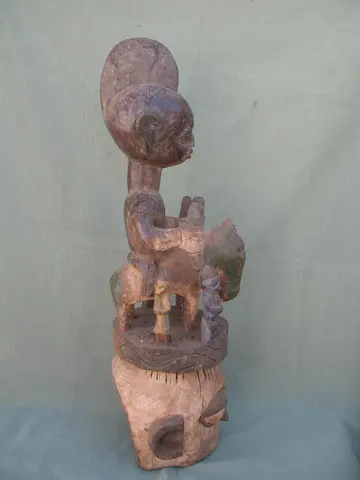
The cult Epaalso called elefon in Benin, it is practiced mainly in the north, at parties of the same name that last…
MCYC-46
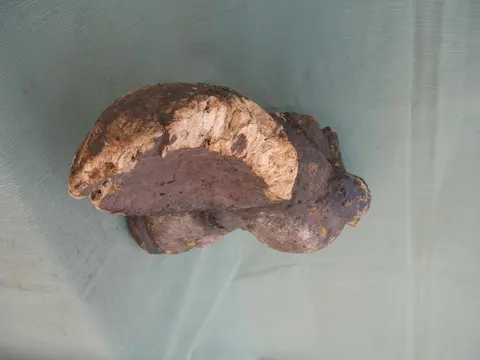
Very old mask BoaYou're very likely to have one of the first masks they ever made.
MFC-1
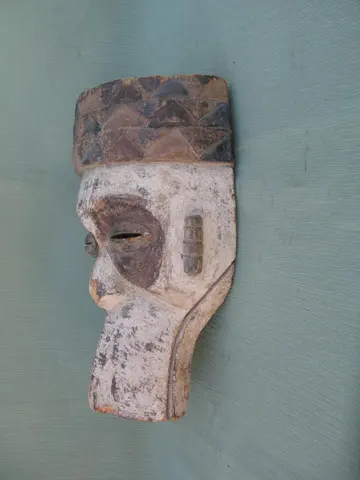
Ancient and rare ibibian mask intended for the cult of ancestors.
MFANT-170
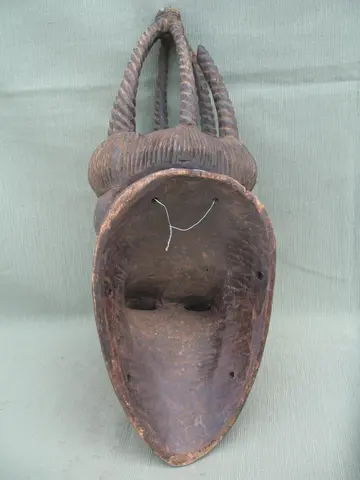
Mask with a human face that looks like a woman with scarifications and sometimes carrying amulets on her headdress.
MFAZ-80
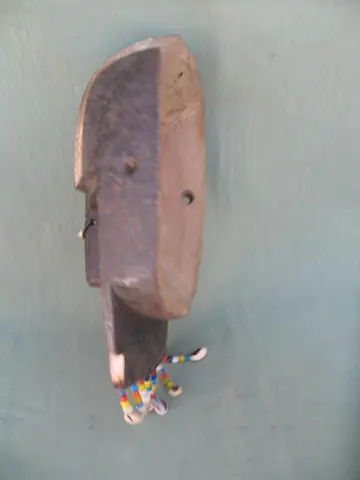
They are rectangular masks decorated with triangular motifs, especially on the forehead and chin, painted in red or black.
MFANT-172
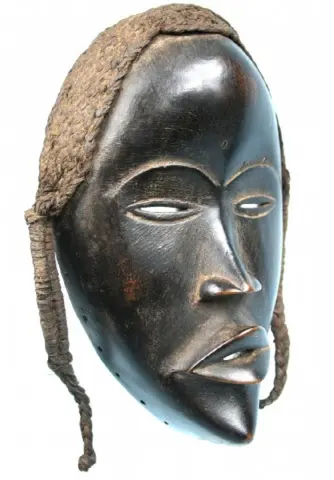
You are torn eyes indicate that it is a female mask, although all the female masks of the Dan and their two…
MFC-2
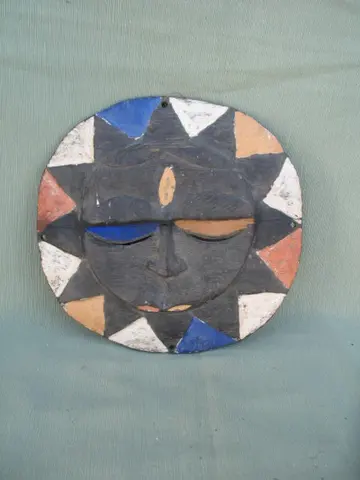
The masks of this group are round and flattened.
MFANT-29
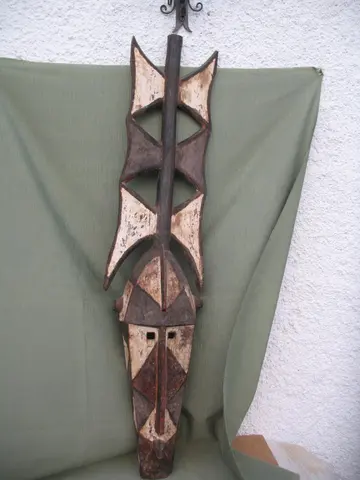
The Neweka mask is a mask belonging to the blacksmith caste and used mainly in mourning uprisings and Sibe rites.
MFG-73
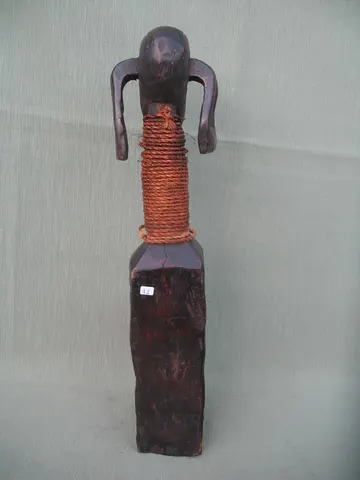
Mask formed by a head on a kind of inverted “U” wood that serves as a base and would constitute the trunk…
MHB-4
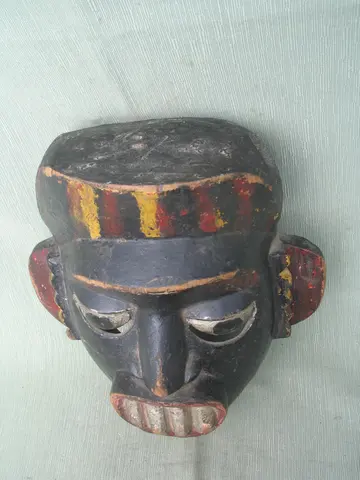
In the village Ibibio Just as in Anang there is the secret society Ekpo which is responsible for the cult of ancestors…
MFANT-176
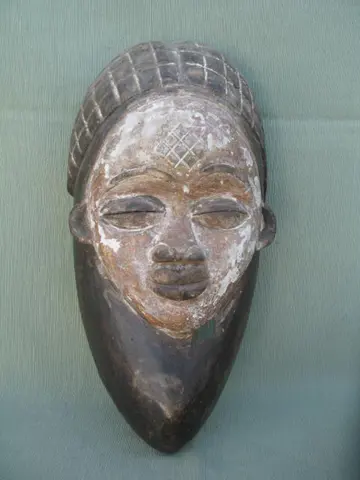
It's a mask that represents the female face of a young woman.
MFANT-178
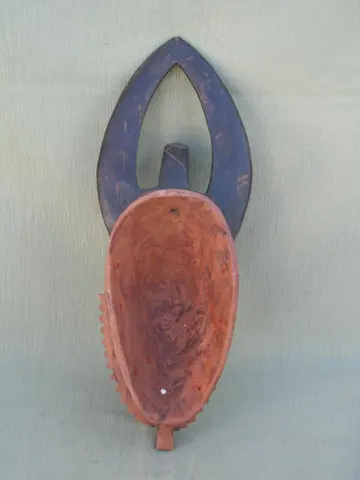
This mask represents the spiritual power or “Yu”. His artistic canons are quite similar to those of his neighbors.
MFAZ-85
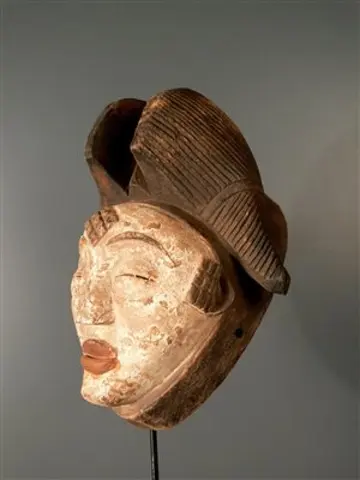
It's a mask that represents the female face of a young woman.
MFANT-180
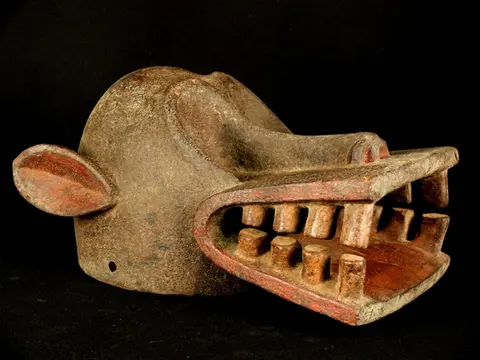
Call also Koniubulo. Belongs to the mask group Wabelé.
MFZ-43
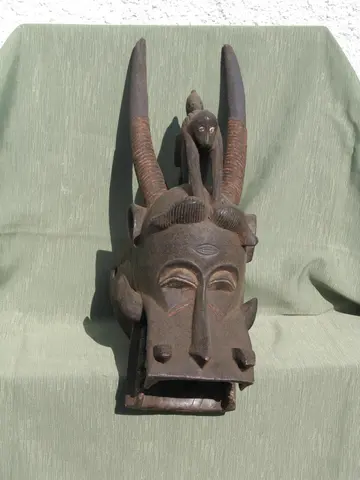
The Kponiugo masks belong to the Wabelé masks.
MFG-76
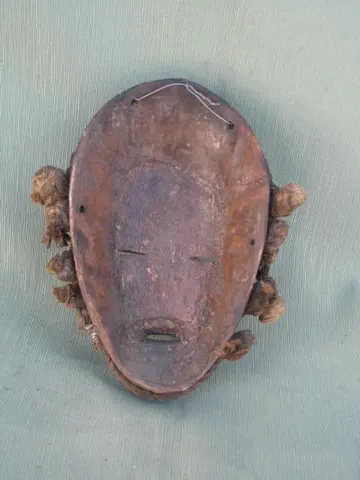
Fine stroke mask with torn eyes framed in a relief and semi-open mouth with thick lips.
MFANT-184
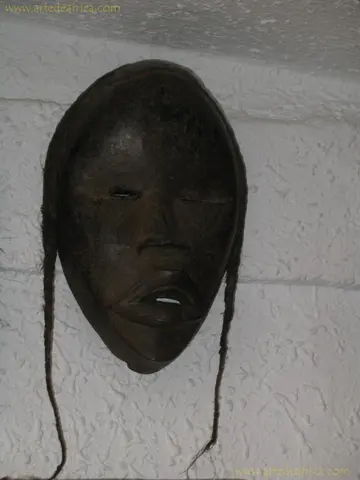
The mask, according to its function, playful, legal, social, will take various forms, but it will always be a genius or a…
MFANT-83
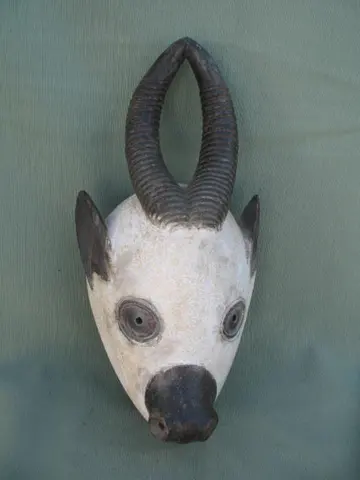
It's a mask from the northern part of the country.
MFZ-35
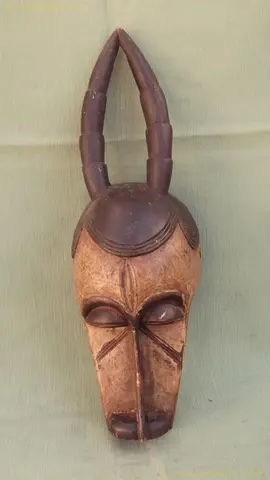
People famous for their sculptors and weavers Guro form a group of clanic groups formed by patrilinear families.
MFZ-24


