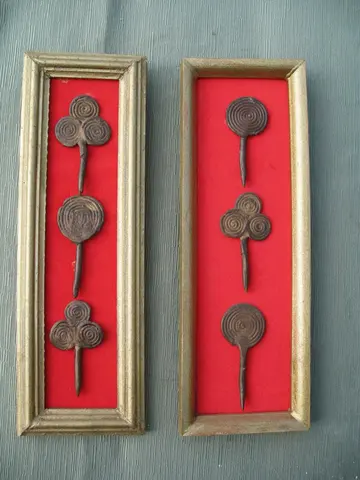
Hair pins
Six pins that Baulé women use to pick up and decorate their hair, mainly at important ceremonies and parties.
PFG-19

Text of the original catalogue
According to legend, at the end of the 18th century an Akan group related to the Anyis, led by Queen Abla Pokou, niece of the Ashanti king OsaiTutu, fled Ghana and tried to take refuge in Côte d’Ivoire. On the monarch’s death, a war over the succession to the throne broke out between Abla and her brother Dako. Pursued by Dako’s troops, Abla was forced to flee towards the neighbouring territory of Côte d’Ivoire, reaching the crocodile-infested Comoé River, west of Abenguru. Halted in their flight by the turbulent river, and following her diviner’s advice, the queen did not hesitate to sacrifice her newborn son to obtain the gods’ help, save her people and cross the river. Taking her son in both arms and raising him above her head, she threw him into the river, crying ‘baouli’ (the child is dead), thus giving her people a new name. The crocodiles crowded together to obtain a share of the prey, forming a compact, solid surface that allowed her people to cross the river. And so the Baule people came into being on the opposite bank of the Comoé.
The Baule live in central Côte d’Ivoire, in its capital Yamoussoukro and in the towns of Tiebisú, Tumodi, Dimbokro, Beumí and Sikasso, considered the Baule’s moral capital, where legend says Queen Poku arrived with her people from Ghana. They governed the country for forty years during the second half of the 20th century. They apparently learned woodcarving from the Guro, and the aesthetic sensibility expressed by their masks and statues is unrivalled.
For the Baule, each individual leaves a family in the other world at birth. In adulthood, jealousy enters the couple’s relationship, instilled by the spouse in the afterlife. The diviner therefore commissions a statue, as beautiful as possible, to be welcomed as if the husband or wife from the other world had come to reconcile with the earthly spouse. After a ceremony resembling a wedding, the statue is kept in the bridal chamber, honoured and fed regularly. Blolo bian is the husband and blolo bla the wife of the other world, our origin and our destination.
Thus, for the Baule, their statues relate more to the realm of divination than to the world of the ancestors.
The Asié usu represent the spirits or beings of nature. They are intermediary divinities that can be favourable or harmful. To make them favourable, the diviner commissions an effigy as beautiful as possible, so that the spirit will feel at ease in its new dwelling. It is usually represented as a bearded man with handsome features, seated on an Akan throne, often holding an egg, a symbol of the Universe. It receives sacrificial offerings and libations from families or possessed people, who thereby obtain its favour and protection. These statues are passed down from generation to generation to ensure the families’ well-being.
608 objects · page 20 of 26
Six pins that Baulé women use to pick up and decorate their hair, mainly at important ceremonies and parties.
PFG-19
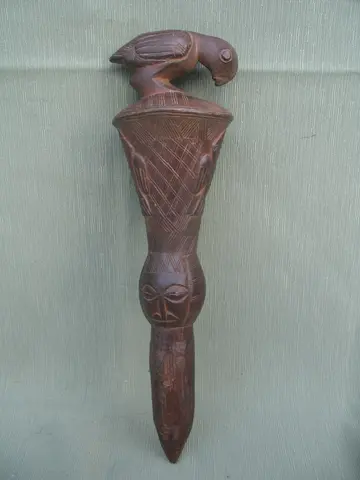
Mango des eapantarescas topped with a bird at the top.
ESP-10
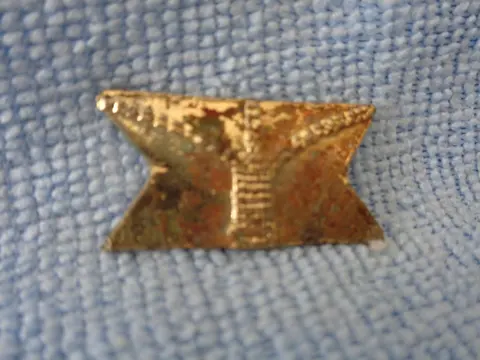
Golden meal shawl used to decorate the ceremonial caps of the notable baulé and in fact of the whole grupo Akan.
CYA-22
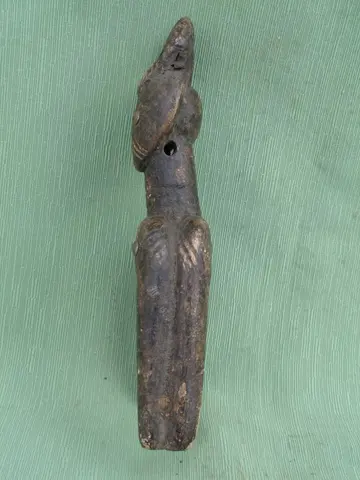
Pulley representing a kple-kple mask of the Goli. They're buffalo masks.
PLYTL-38
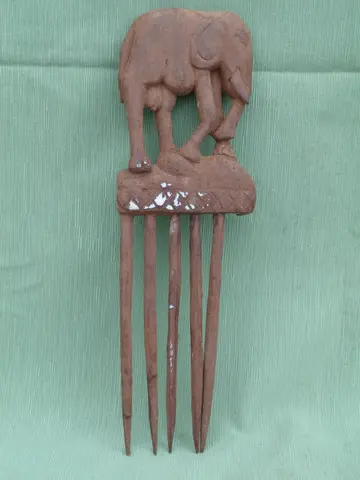
A six-pin comb that was brandished by the women, I baulé to hold their hair in religious and festive ceremonies.
PNS-32
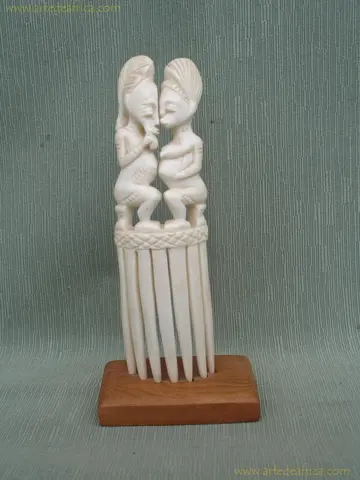
Comb that represents a couple acquired in Abidjan in the mid-sixties delmpasado century.
PNS-34
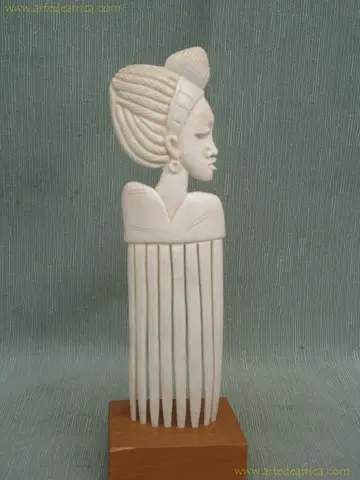
Comb topped with the head of a young woman touched with a beautiful hairstyle, acquired in Abidjan in the mid-sixties delmpasado century.
PNS-35
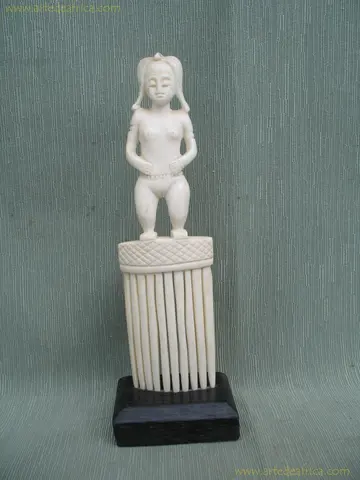
A comb that represents a woman with her arms over her belly, a regular posture I gave the welcome and peace, which…
PNS-36
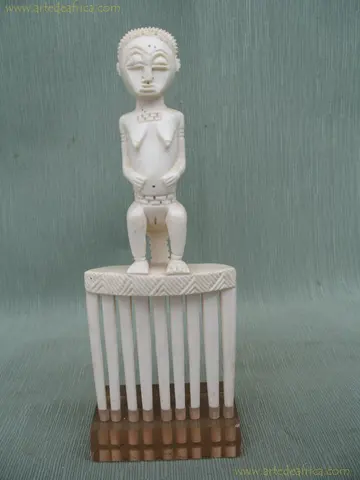
Comb that represents a woman sitting on an Akan stool which indicates that she is a remarkable woman.
PNS-37
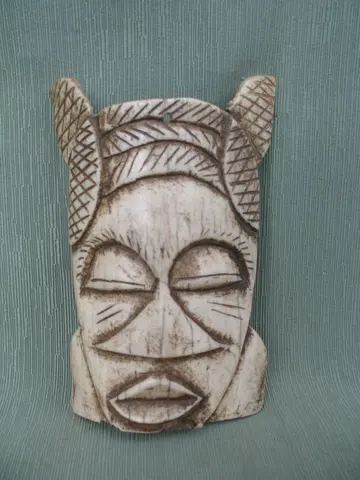
These small masks are usually carved into bovid bone, preferably the tibia.
MRF-25
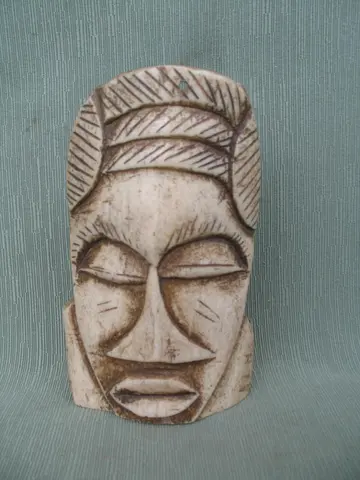
These small masks are usually carved into bovid bone, preferably the tibia.
MRF-26
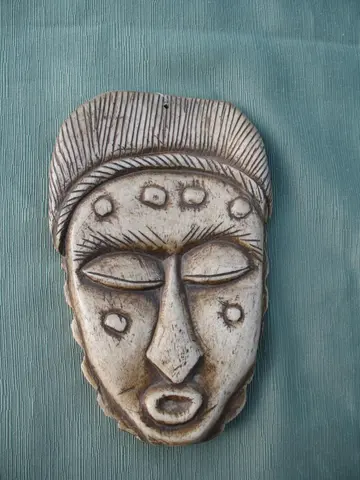
These small masks are usually carved into bovid bone, preferably the tibia.
MRF-27
These small masks are usually carved into bovid bone, preferably the tibia.
MRF-28
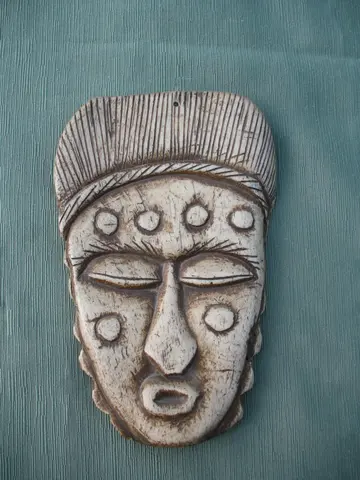
These small masks are usually carved into bovid bone, preferably the tibia.
MRF-29
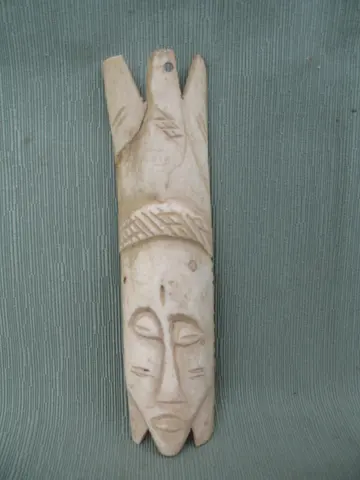
This small mask of elongated shape is intended for pendant or simply decorative.
MRF-30
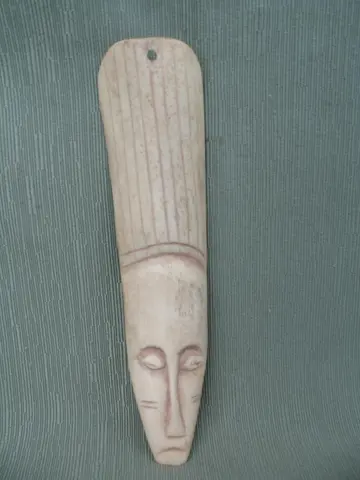
This small mask of elongated shape is intended for pendant or simply decorative.
MRF-31
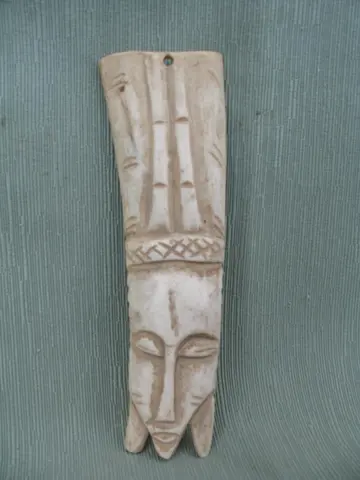
This small mask of elongated shape is intended for pendant or simply decorative.
MRF-32
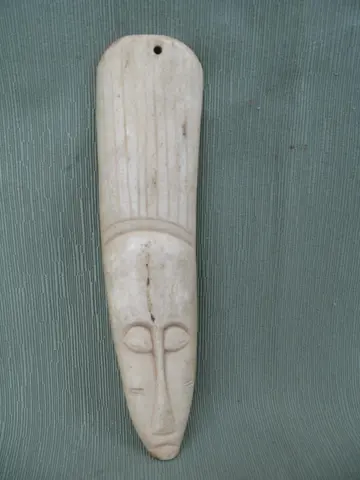
This small mask of elongated shape is intended for pendant or simply decorative.
MRF-33
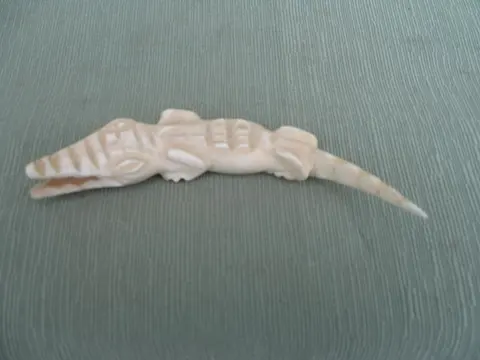
Small crocodile used in divinatory practices, acquired in Bouaké in the mid sixties of the last century.
MRF-34
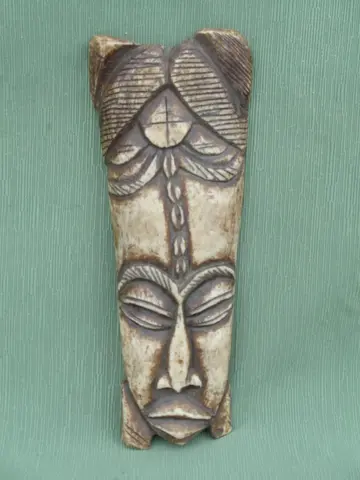
These small masks are usually carved into bovid bone, preferably the tibia.
MRF-35
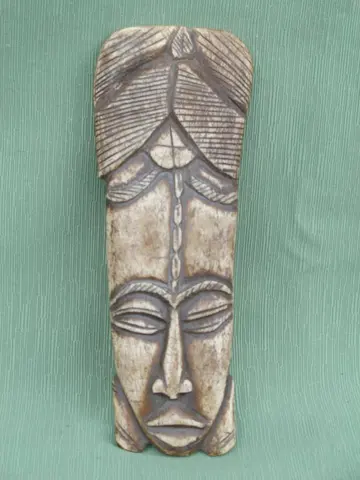
These small masks are usually carved into bovid bone, preferably the tibia.
MRF-36
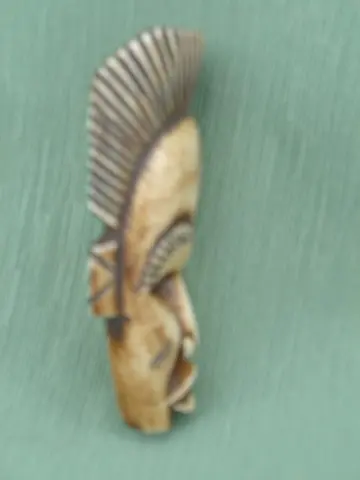
Big size mask to be carved into bone.
MRF-37
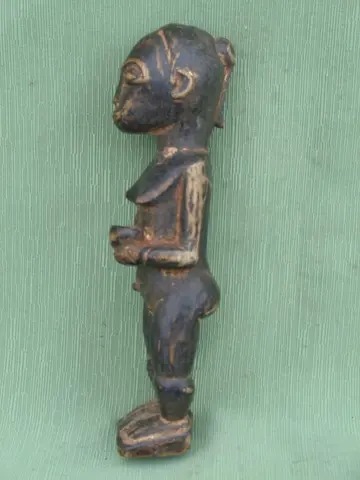
Ancient and small statue of the baulé that breaks with the usual characteristics of the statuery of the ethnic group, both for…
MTR-72
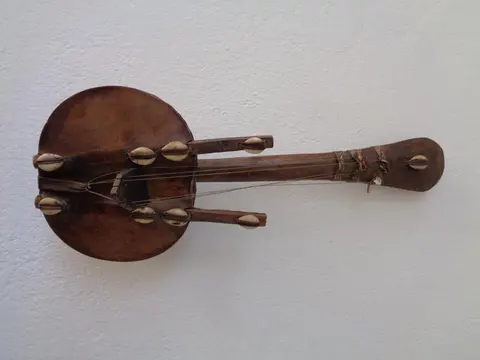
Guitar acquired in the mid-1960s in Abidjan.
CORD-10


