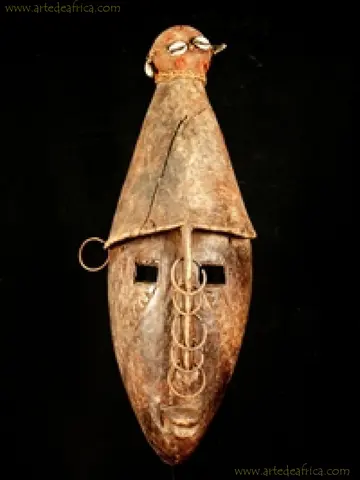
Facial Mask
They have no ritual meaning and therefore do not participate in any religious ceremony.
MFANT-65

List of the historical catalogue
Text and organisation of the original catalogue · Jesús Arrimadas Saavedra
We grouped all these categories of masks so as not to repeat the explanations contained in the part “Black-African artistic ethnography”. Agricultural masks are part of fertility masks. Fertility of fields and women are very united values in the animistic world. On many agricultural festivities the rites are destined to ask for the fertilizing rain of the fields to obtain good harvests or to thank the fruits received from nature and the masks dance as an integral part of these rites, but they also celebrate the fertility of the woman, dispenser of life, worker and caretaker of the fields. A large majority of masks participate in these festivities without being exclusively agrarian masks, as are the Ty Wara masks of the Bamana or BambaraThe same applies to initiation masks, although there is greater specialization in this case. Hunter masks, despite this name, do not mean that they are used during hunting, but belong to the hunters’ powerful secret societies. These dances participate both in the agrarian festivities and in funeral ceremonies and in the cults of ancestors. Many zoomorphic and anthropozoomorphic masks are agrarian and hunter masks and, contrary, most initiation masks are anthropomorphic masks. Over time many masks have evolved and changed functions. Masks that were sacred in their day have become playful masks. In some cases, less frequent, playful masks have become sacred masks by making them ported or owned by a notable ancestor. But it is difficult to chant the masks in a single category, as many of them participate in the most varied activities. Ventral masks celebrate and parody the different phases of female fertility while those of disease have the negative effects of some evil spirit. Today, most of the masks have lost their sacredness and participate in playful activities on the occasion of local festivities or the visit of important characters as young generations have moved away from the traditions of their ancestors. The passport masks identify their owner as a member of a designated secret society or ethnic group while allowing him access to ceremonies held in sacred forest or accompanying him in the journeys with a protective value.
171 objects · page 4 of 8
They have no ritual meaning and therefore do not participate in any religious ceremony.
MFANT-65
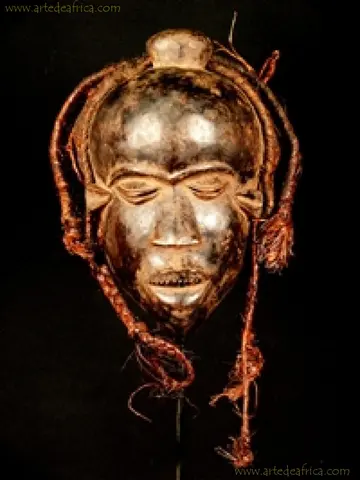
Dark mask, almost black, belonging to a male society.
MFANT-66
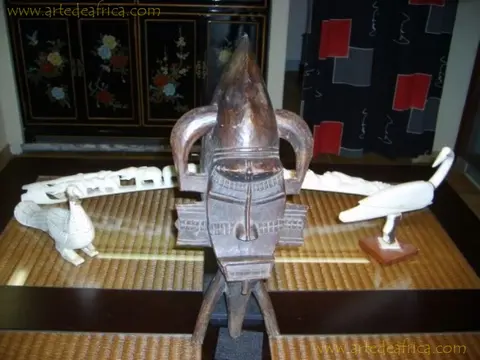
Not in all regions call Kpelié These masks, some of them.
MFAZ-66
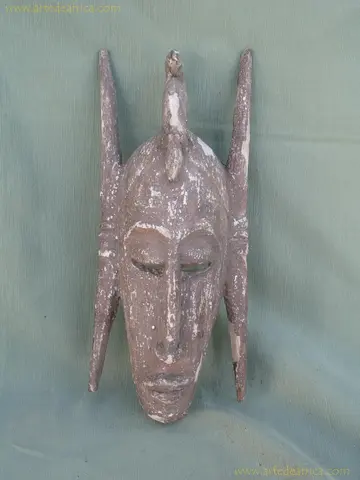
KoréIt is the spirit of the waters.
MFAZ-69
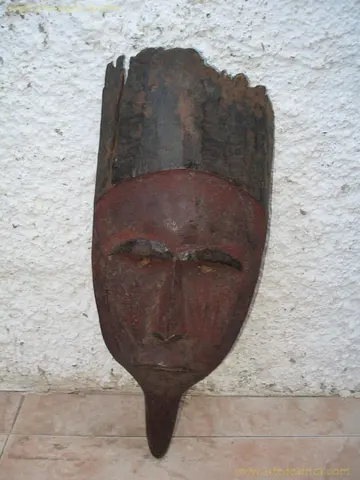
Mask from the village of Sogha, dark garnet color face and hair and black.
MFANT-70
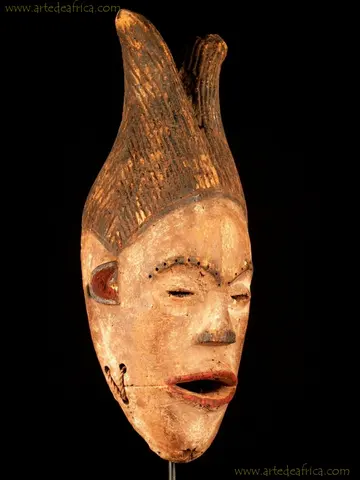
The Ogoniabout 500 thousand people live like many other ethnic groups in the fertile lands of the Niger Delta, in southern Nigeria,…
MFANT-72
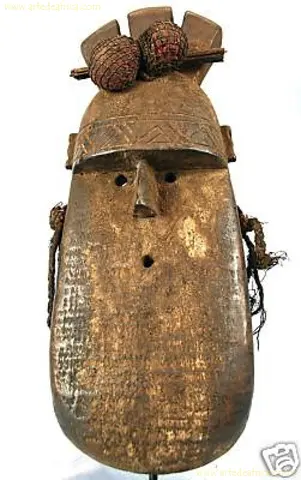
The Toma Sierra Leone, Guinea Conakry, Liberia and western Ivory Coast are in place.
MFANT-73
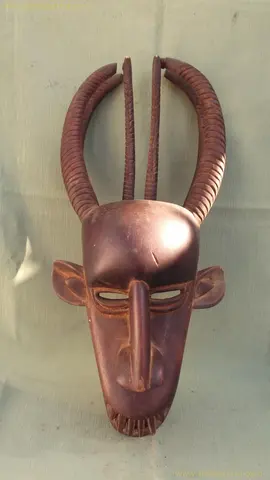
KoréIt is the spirit of the waters.
MFAZ-76
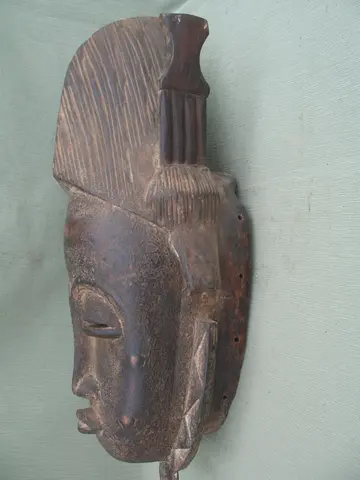
It is a female mask that presents all the delicacy of the Baule women's masks.
MFANT-79
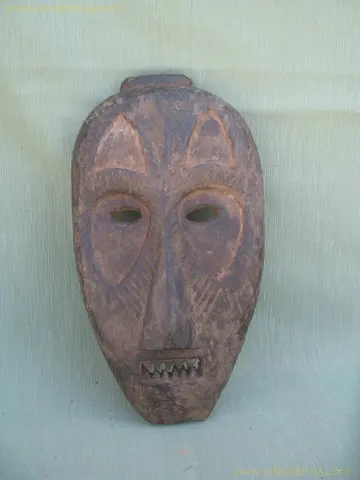
Mask with dark brown patina completely different from the masks of the Tshokwe of Angola.
MFANT-80
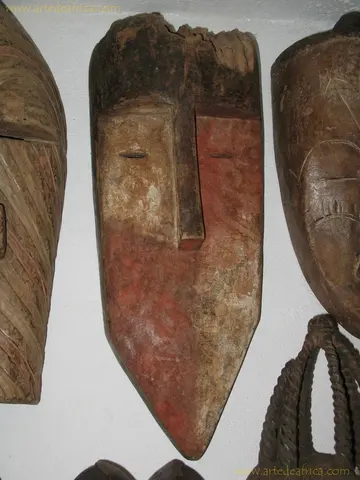
Mask with alternating red and white polychromy on the face, black forehead and nose, The nose is an extension of the forehead,…
MFANT-87
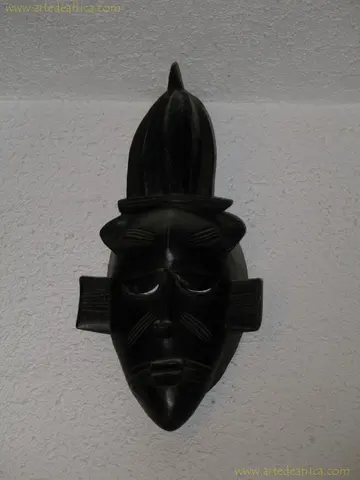
The Djimini They mastered the art of varnishing pottery objects based on resins and roots and applied this same technique for the…
MFANT-95
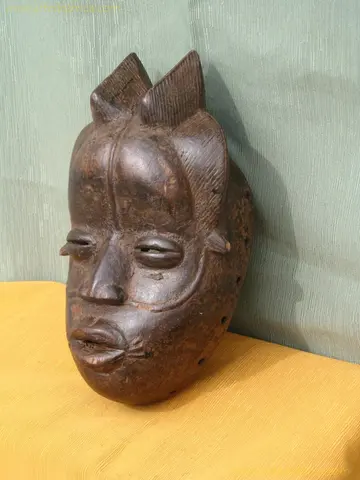
Old mask Dan found at the beginning of the sixties of the last century, in the Dan , west of Ivory Coast,…
MFANT-103
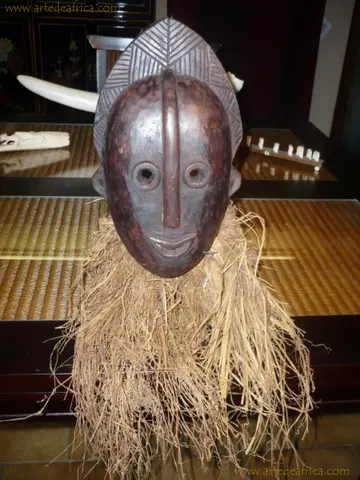
Mask with an ovoid face and headdress topped in the form of a wide warhead, geometrical designs in the form of triangles…
MFANT-112
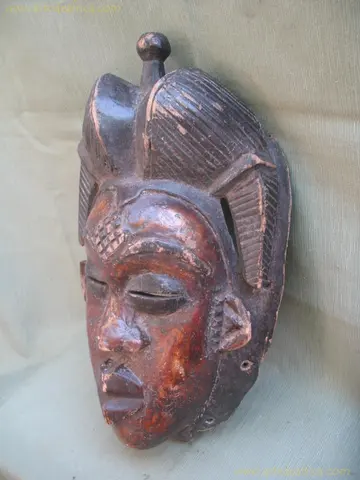
An old punu mask that expresses a majestic serenity. black hair in two cokes and two sidetails.
MFANT-113
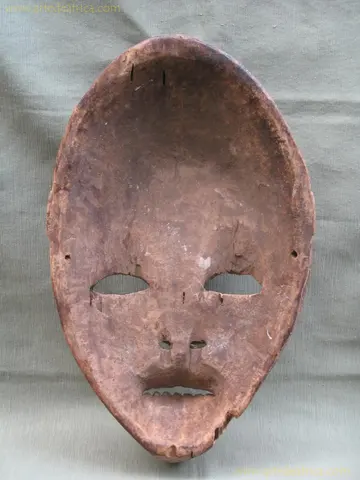
Beautiful patina of the time and the use of the mask that presents large eye holes and the mouth semi-open with apparent…
MFANT-115
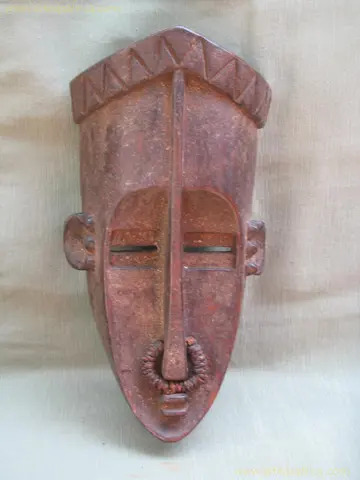
The artistic production of the Lwalwa is quite small, except for their masks, which are well known.
MFANT-119
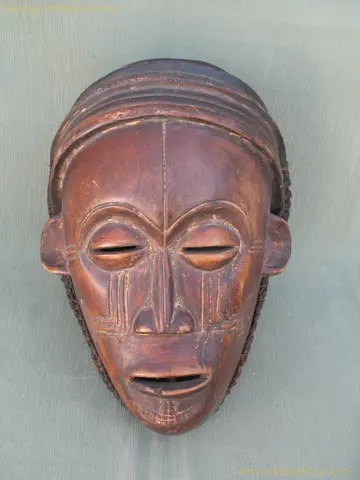
These masks. mwana-pwo represent the beauty of the young woman who evokes, at the same time, the ancestral mother who protects the…
MFANT-123
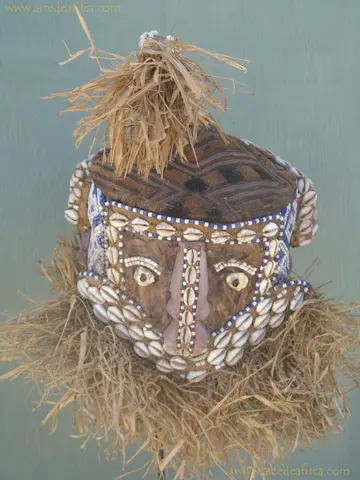
MASK MUKENGE ELEFANT OR MUKYEEM OF THE NGEENDE Gets a strong influence from the mask Moshambwooy to whom it is often attributed.
MFANT-125
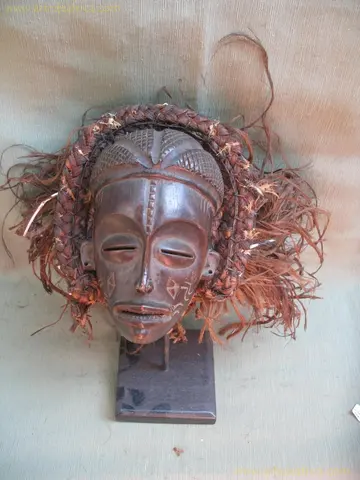
Small mask tschokwé, surrounded by a wide cofia that simulates the hair.
MFANT-134
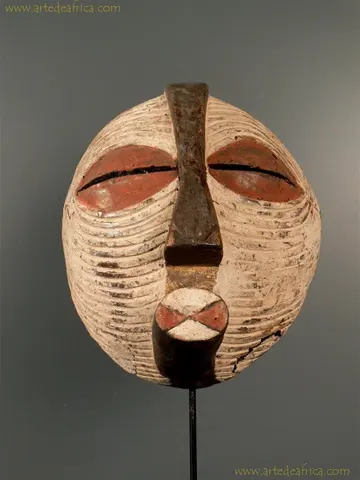
The Luba mask is very similar to the Kifwebé female mask of the Songyé, but more rounded, although the male mask also…
MFANT-142
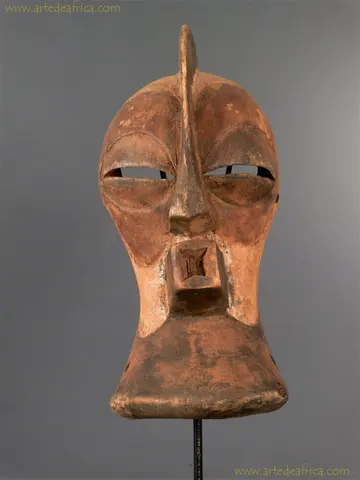
Used by society Bwadi Bwa Kifwebé is the best known mask, in its male and female versions.
MFANT-148
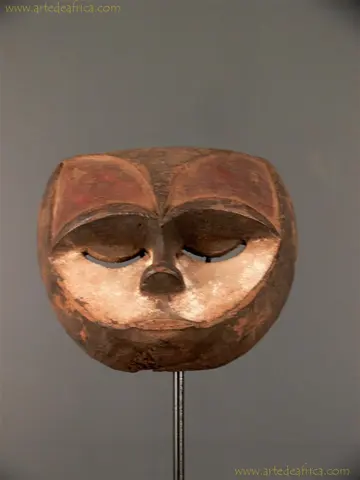
The people Eket It is formed by a caste society, being the most important Amamala.
MFANT-149
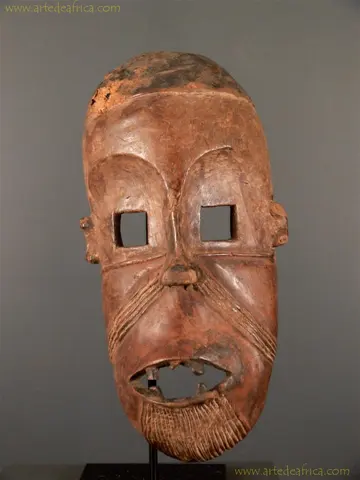
They belong to the secret society Gaza and behave on the occasion of the ceremonies of initiation and circumcision of adolescents.
MFANT-152


