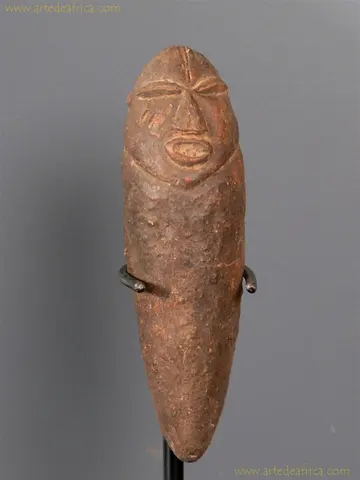
Funeral and Divinatory Figure
Terracotta figures that do not usually exceed 25 centimetres and which were intended to commemorate an ancestor or a founding hero of…
TRRC-48

Text of the original catalogue
The word terracotta comes from the Italian terra cotta or cooked soil. Clay, clay is the component of what has been universalized under the word terracotta. Without a doubt it is the mud that is the oldest material of humanity that man has used to leave us his memory throughout the centuries. It is the easiest material to work with, just make f high hands to model and shape it. Human remains made of terracotta have been found that date back several millennia. The man built in clay the first containers that served him to contain the food. Clay were also the first ornaments that served to beautify women, as demonstrated by the beads of necklaces that appeared in different deposits. In the beginnings, mud and sun were sufficient. As man became civilized, he developed ever more perfected objects. Many of them had a marked religious sense, funeral urns, votive figures or altar statues. Others represent naked or dressed men even with magnificent galas, according to cultures, and also animals are represented. Archaeology shows that many African peoples had in remote times artists who perfectly mastered these techniques, with varying degrees of elaboration, such as Djenne, Nok, Sokoto or Katsina. And there is practically no decade in which no new vestiges of lost civilizations appear, Sao, Komaland or very recently the stones carved from Gohitafla in Ivory Coast. The stone has also been used, but since it is a harder material it has required tools to be able to be worked, being therefore the origins of the stone carved very after the terracottas. Most African carved stones have a ritual and rather funerary value, let's talk about stones Kissi of Guinea or the Mintadi of Congo.
113 objects · page 3 of 5
Terracotta figures that do not usually exceed 25 centimetres and which were intended to commemorate an ancestor or a founding hero of…
TRRC-48
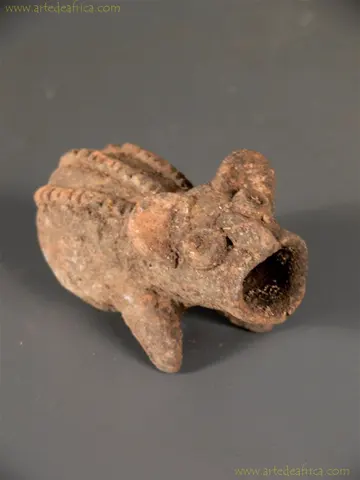
Civilization Sao spread for almost a millennium of the fifth centuries before Christ to the century XVI mainly in Chad in an…
TRRC-49
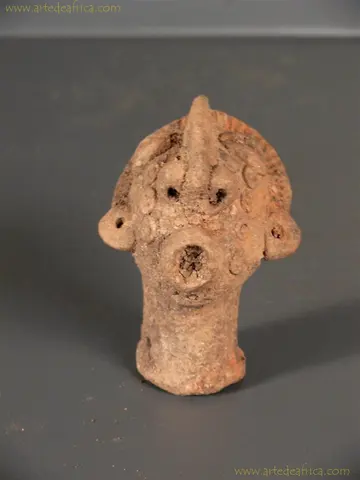
Small anthropomorphic head with a granular aspect. It can represent an ancestor and be the object of worship in family altars.
TRRC-50
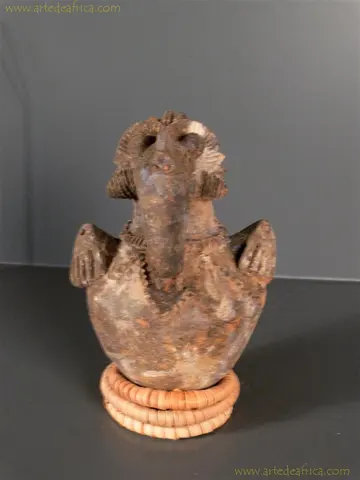
Vase with human features and bird beak. The handles of the container are formed by hands and very short arms.
TRRC-51
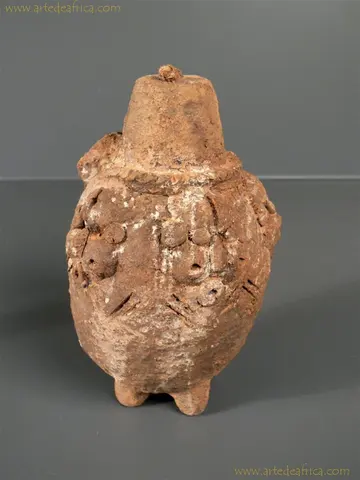
In their ceremonies they worship the land and ancestors by pouring corn beer on the ground and on the tombs, as a…
TRRC-53
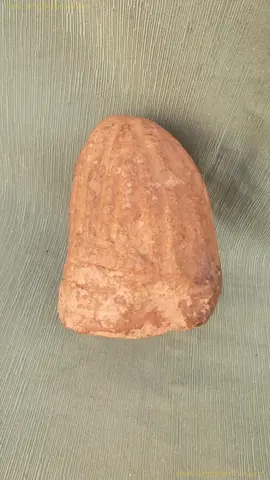
Excavations carried out over the years 1983 revealed some reliquary or funeral urns that appeared in the necropolis.
TRRC-55
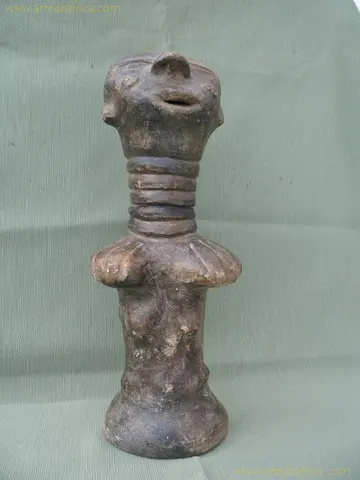
1 For the Agnis of the Kingdom of Sanwi the ancestors are elevated to the rank of divinity by the name of…
TRRC-56
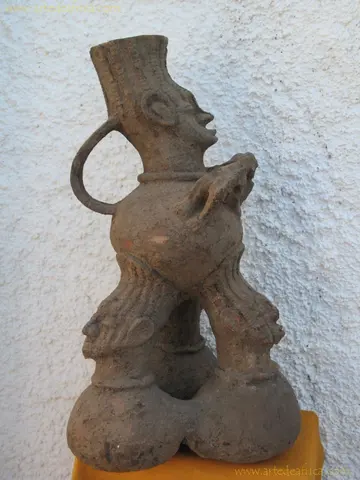
The Mangbetu They had a very hierarchical social structure, and the towns depended on a provincial chief who in turn depended on…
TRRC-57
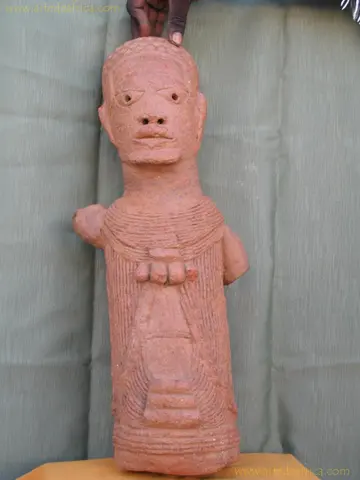
The configuration of the eyes and eyebrows as well as perforations of the eyes, noses and ears is a common feature of…
TRRC-58
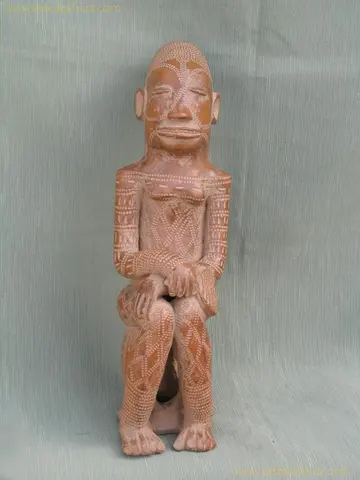
Male figure sitting on a stool, with one arm on the other in a resting attitude.
TRRC-59
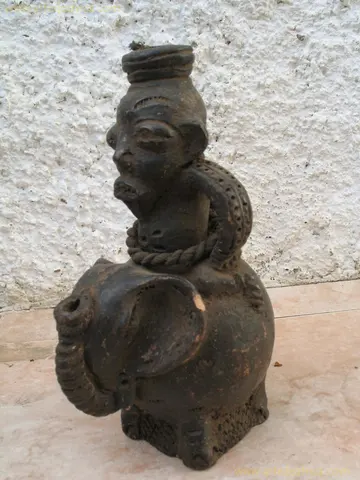
The glow of the fire of the home around which the large family gathers in winter to listen to stories or songs…
TRRC-60
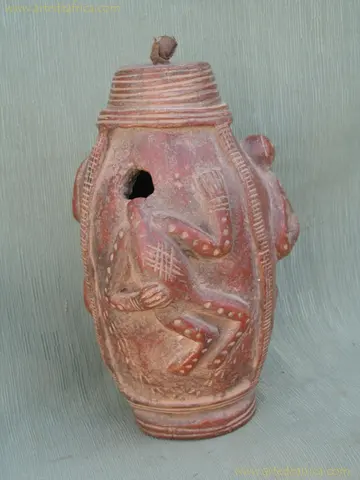
Oval oil lamp with embossed characters dancing around the lamp body.
TRRC-61
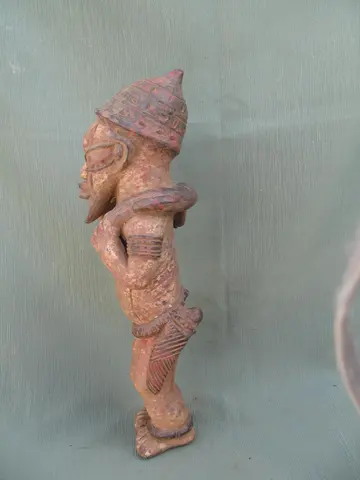
Figure of clay that represents a hunter on the return of the hunt with the small deer that he has collected behind…
TRRC-64
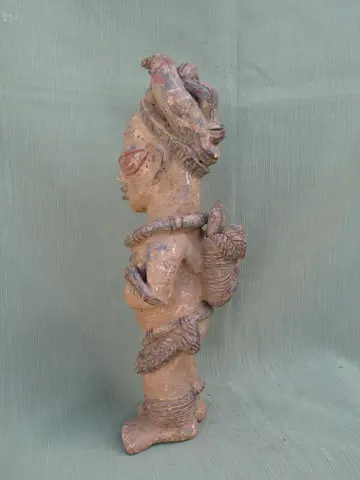
An important figure in culture Igbo are the “Alusi” or geniuses of nature, responsible for disease and death, and charged with punishing…
TRRC-65
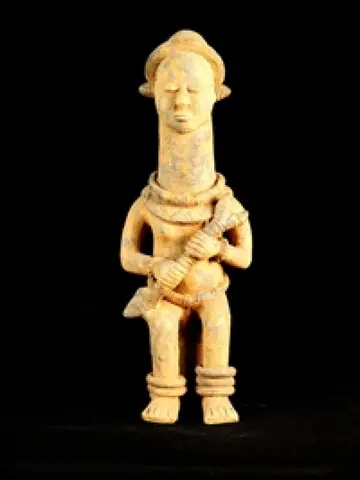
Figure of a character sitting on a stool with a scepter shaped like a thick arrow in his hands.
TRRC-66
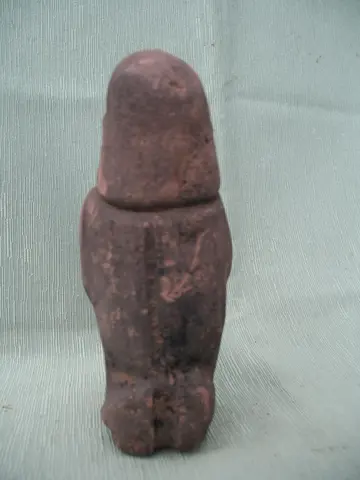
Feminine funeral figure as shown by her incipient breasts. These little anthropomorphic statues with rudimentary bills come from the tumulos.
TRRC-67
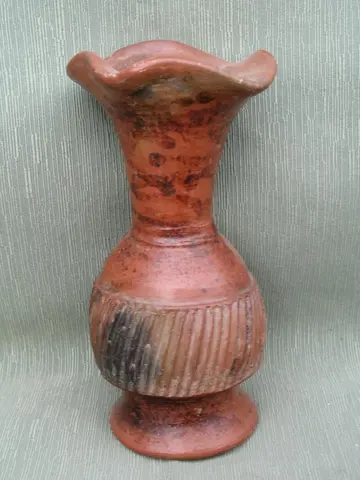
A pot intended for different uses. It is a container of the famous potter of Katiola, to 50 kms. north of Buaké.
TRRC-68
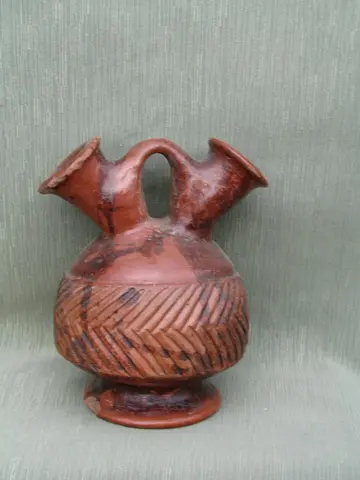
Two-pitoror vessel intended for different uses. It is a container of Katiola's famous pottery, 50 kms. north of Buaké.
TRRC-69
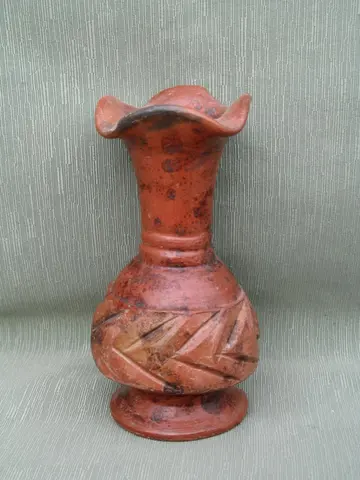
A pot intended for different uses. It is a container of the famous potter of Katiola, to 50 kms. north of Buaké.
TRRC-70
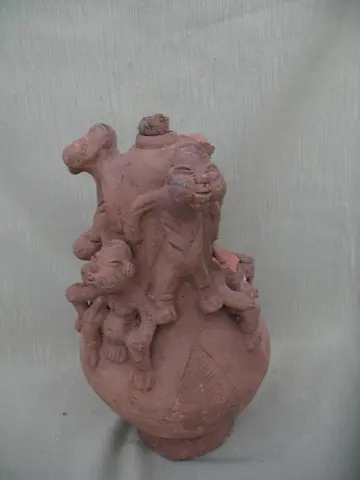
Large size oil lamp decorated with various characters. Two heads absent, restored.
TRRC-71
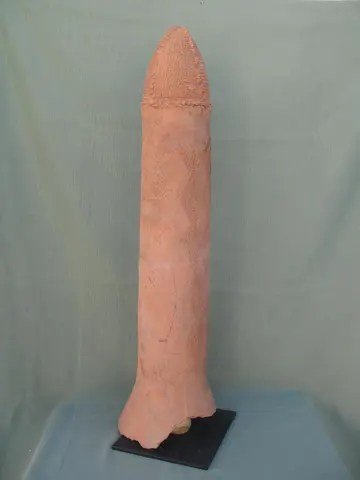
The term Bura is related to a series of places centered in a vast territory located in the middle area of the…
TRRC-73
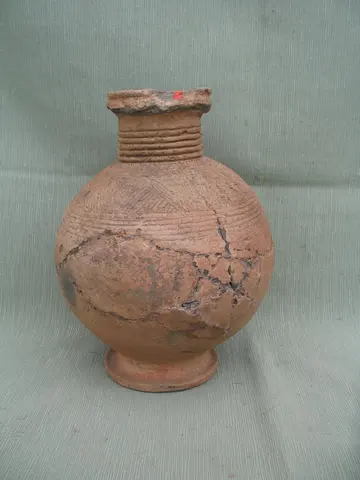
Aboil it or vessel of wide body and narrow neck destined undoubtedly for funerary uses, although this type of jars also served…
TRRC-74
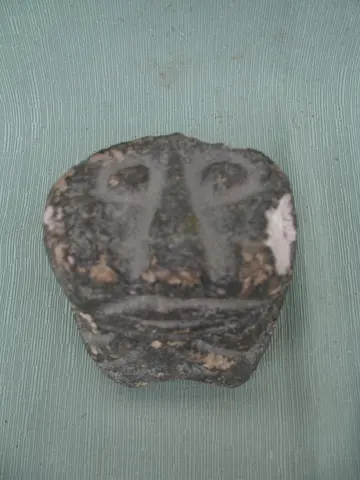
Small and curious mambila stone destined without doubt to a funerary use given the configuration of the piece.
TRRC-75
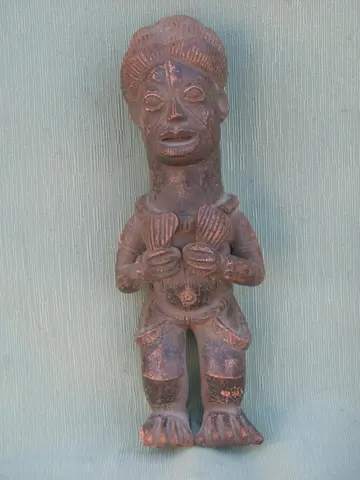
Character with an elaborate hairstyle with collar at the neck, bracelets on the arms and elegant dress that has in his hands…
TRRC-76


