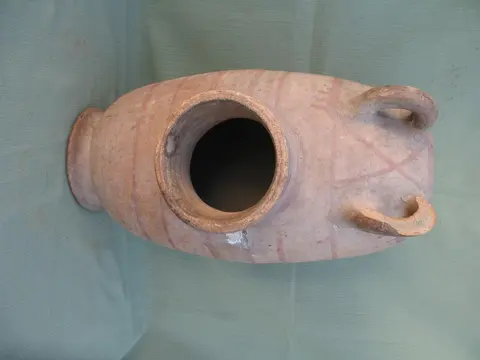
Container for Snake Eggs
Vessel intended to store snake eggs used in sacrificial rituals by Yoruba.
TRRC-77

Text of the original catalogue
The word terracotta comes from the Italian terra cotta or cooked soil. Clay, clay is the component of what has been universalized under the word terracotta. Without a doubt it is the mud that is the oldest material of humanity that man has used to leave us his memory throughout the centuries. It is the easiest material to work with, just make f high hands to model and shape it. Human remains made of terracotta have been found that date back several millennia. The man built in clay the first containers that served him to contain the food. Clay were also the first ornaments that served to beautify women, as demonstrated by the beads of necklaces that appeared in different deposits. In the beginnings, mud and sun were sufficient. As man became civilized, he developed ever more perfected objects. Many of them had a marked religious sense, funeral urns, votive figures or altar statues. Others represent naked or dressed men even with magnificent galas, according to cultures, and also animals are represented. Archaeology shows that many African peoples had in remote times artists who perfectly mastered these techniques, with varying degrees of elaboration, such as Djenne, Nok, Sokoto or Katsina. And there is practically no decade in which no new vestiges of lost civilizations appear, Sao, Komaland or very recently the stones carved from Gohitafla in Ivory Coast. The stone has also been used, but since it is a harder material it has required tools to be able to be worked, being therefore the origins of the stone carved very after the terracottas. Most African carved stones have a ritual and rather funerary value, let's talk about stones Kissi of Guinea or the Mintadi of Congo.
113 objects · page 4 of 5
Vessel intended to store snake eggs used in sacrificial rituals by Yoruba.
TRRC-77
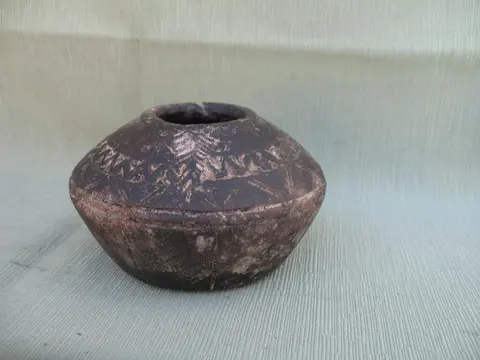
Important Bantu village, just over four million, located in the southeastern part of Kenya, in the Ukambani region, formed by the counties…
TRRC-78
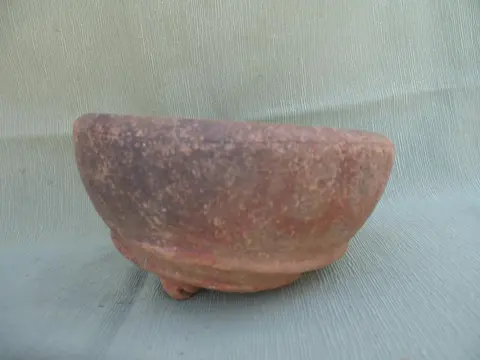
An elongated snake with an open mouth appears curled in the bottom of the glass indicating that it was definitely intended to…
TRRC-79
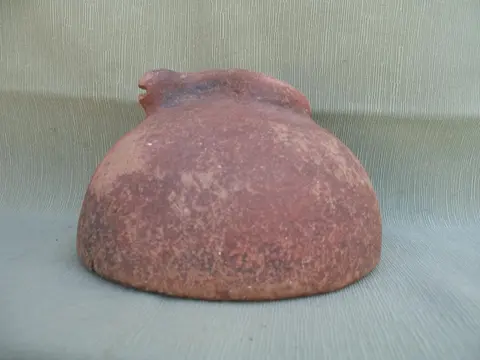
A short, strong snake, with its mouth open, appears at the bottom of the glass indicating that it was intended to contain…
TRRC-80
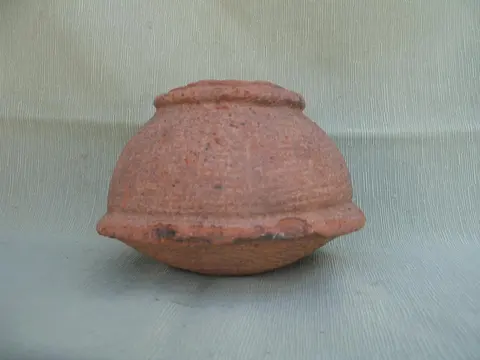
The terracottas Nok have been dated, mostly, between the centuries IV A.C. a II D.C.
TRRC-81
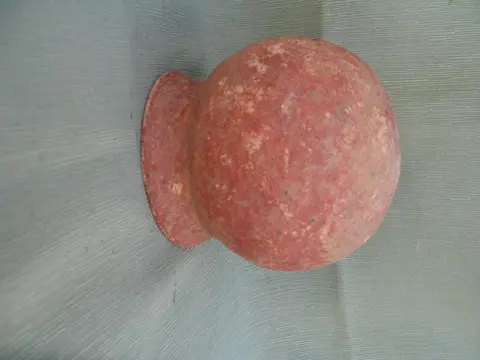
Small glass of cooked clay intended to contain medicinal ointments for healings, magical substances for ritual celebrations or cosmetic…
TRRC-82
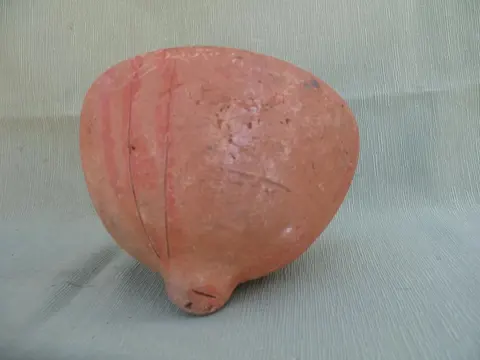
The Bari are a Nylothic people settled mainly in eastern South Sudan, but in fewer numbers also in Uganda and the Congo.
TRRC-83
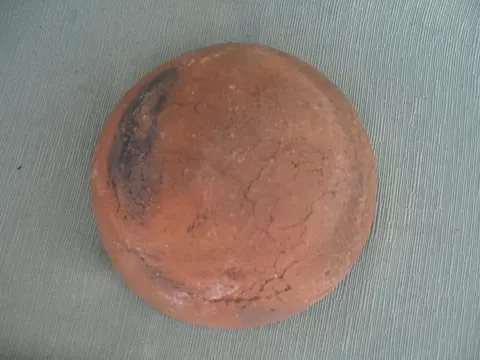
The Bari are a Nylothic people settled mainly in eastern South Sudan, but in fewer numbers also in Uganda and the Congo.
TRRC-84
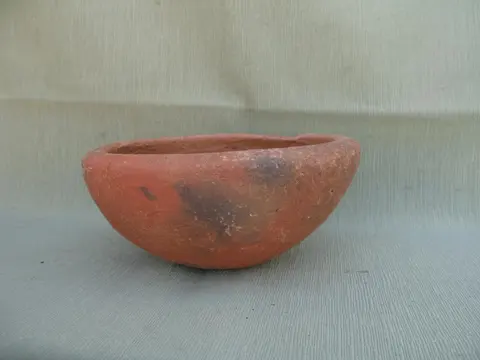
The Bari are a Nylothic people settled mainly in eastern South Sudan, but in fewer numbers also in Uganda and the Congo.
TRRC-85
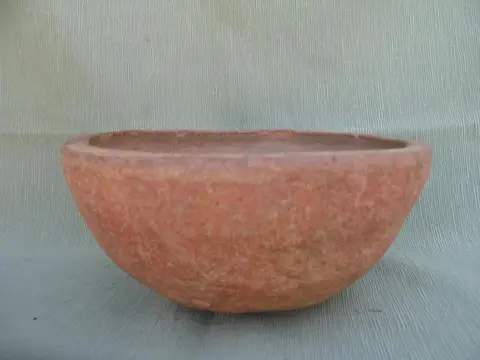
The Bari are a Nylothic people settled mainly in eastern South Sudan, but in fewer numbers also in Uganda and the Congo.
TRRC-86
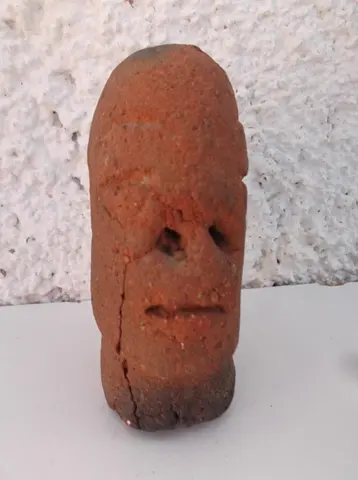
Nok It's not an ethnic group,is a small village in northern Nigeria, in the Zaria region.
TRRC-87
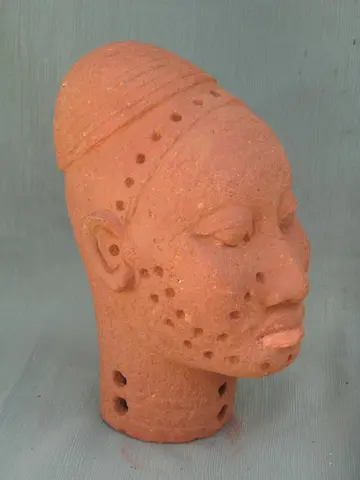
Magnificent terracotta head that undoubtedly represents an Oni or a notable Ife.
TRRC-88

Queen or princess head with a simple headdress.
TRRC-89

As indicated by his five-level headdress is ratted from a queen head.
TRRC-90

Male head probably of Oni or court character, with linear scarifications on the face.
TRRC-91

Queen or princess head with a simple trococonic headdress.
TRRC-92

Small terracotta flask intended to contain perfume or ointments.
TRRC-93

Representation of a female body that has originally been modeled without legs.
TRRC-94

This type of bowl served to contain grain or liquids. Accurate antiquity without a thermoluminescence analysis is difficult to define.
TRRC-95

This type of bowl served to contain grain or liquids. Accurate antiquity without a thermoluminescence analysis is difficult to define.
TRRC-96

This type of bowl served to contain grain or liquids. Accurate antiquity without a thermoluminescence analysis is difficult to define.
TRRC-97

This type of bowl served to contain grain or liquids. Accurate antiquity without a thermoluminescence analysis is difficult to define.
TRRC-98

Small container used to drink some liquid. Accurate antiquity without a thermoluminescence analysis is difficult to define.
TRRC-99

Small glass used to manipulate liquids and possibly ointments intended for religious, divinatory or magical rites.
TRRC-100


