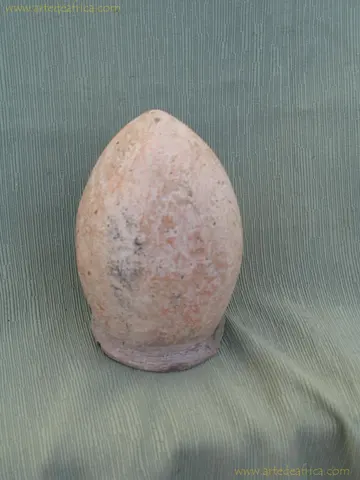
Anointing vessel
Small glass with amphora-shaped body intended to contain medicinal or magical ointments for your use in divinatory practices.
TRRC-22

Text of the original catalogue
The word terracotta comes from the Italian terra cotta or cooked soil. Clay, clay is the component of what has been universalized under the word terracotta. Without a doubt it is the mud that is the oldest material of humanity that man has used to leave us his memory throughout the centuries. It is the easiest material to work with, just make f high hands to model and shape it. Human remains made of terracotta have been found that date back several millennia. The man built in clay the first containers that served him to contain the food. Clay were also the first ornaments that served to beautify women, as demonstrated by the beads of necklaces that appeared in different deposits. In the beginnings, mud and sun were sufficient. As man became civilized, he developed ever more perfected objects. Many of them had a marked religious sense, funeral urns, votive figures or altar statues. Others represent naked or dressed men even with magnificent galas, according to cultures, and also animals are represented. Archaeology shows that many African peoples had in remote times artists who perfectly mastered these techniques, with varying degrees of elaboration, such as Djenne, Nok, Sokoto or Katsina. And there is practically no decade in which no new vestiges of lost civilizations appear, Sao, Komaland or very recently the stones carved from Gohitafla in Ivory Coast. The stone has also been used, but since it is a harder material it has required tools to be able to be worked, being therefore the origins of the stone carved very after the terracottas. Most African carved stones have a ritual and rather funerary value, let's talk about stones Kissi of Guinea or the Mintadi of Congo.
113 objects · page 2 of 5
Small glass with amphora-shaped body intended to contain medicinal or magical ointments for your use in divinatory practices.
TRRC-22
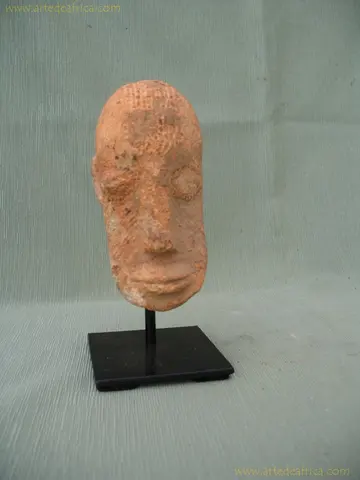
terracotta head which is undoubtedly the fragment of a full-body statue.
TRRC-23
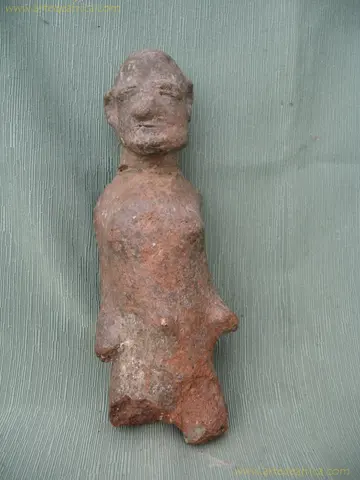
Anthropomorphic figure in heavy ferruginous terracotta. Arms along the body slightly flexed and missing part of the legs.
TRRC-24
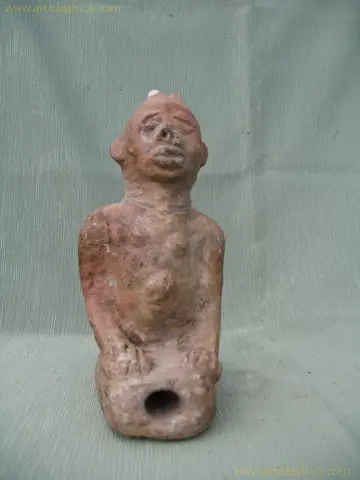
These statuettes come from the Djenne region, the nearest city to the archaeological site “Jenne-Jeno”, (formerly Djenne), in the Niger Valley.
TRRC-25
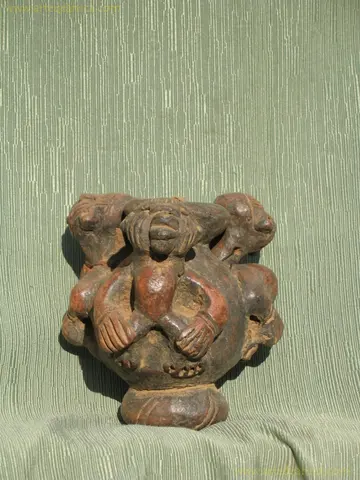
Small ground oil lamp cooked featuring three characters, Pygmies, with facial scarifications.
TRRC-26
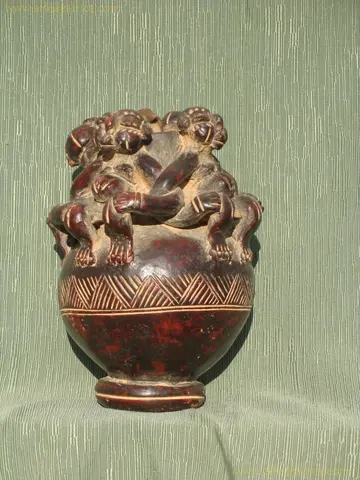
Oil lamp intended to illuminate the interior of the huts when there is no fire on.
TRRC-27
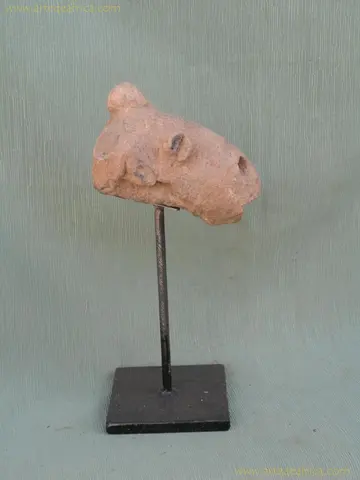
Horse head of the Bambara or Bamana, stone.
TRRC-28
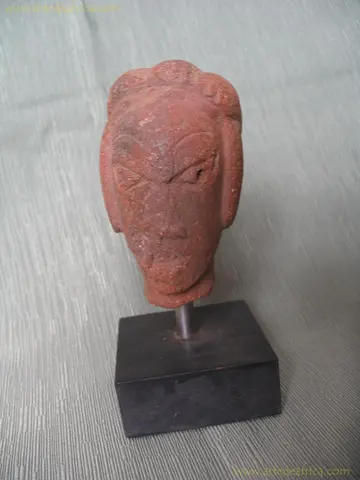
A head that undoubtedly constitutes a fragment of an entire body figure.
TRRC-29
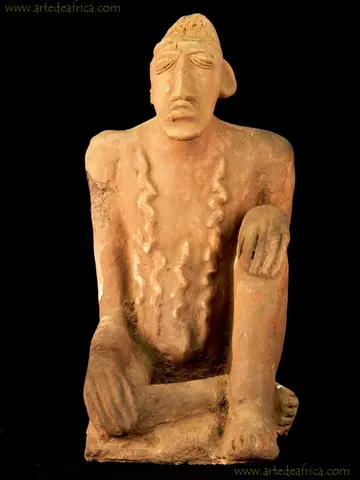
Male sedative figure, with one foot resting on the ground and hand on the left knee.
TRRC-30
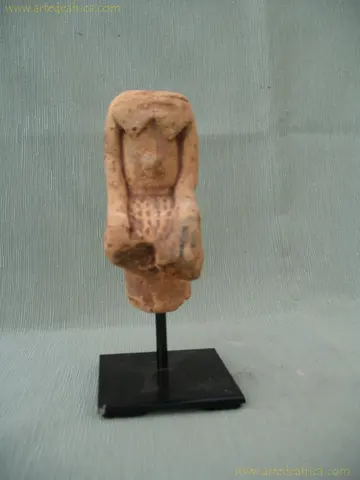
Original female terracotta bust. The hands accuse a deformity as if they were melted into another missing element of the figure.
TRRC-31
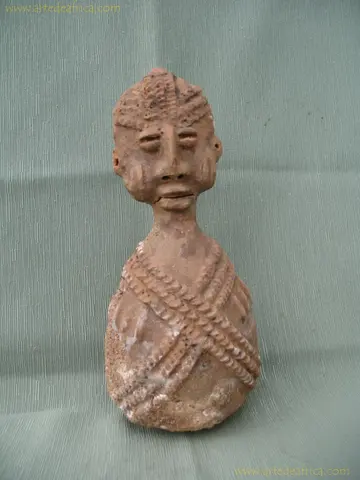
Funeral ritual vessel used in the funerals of a king, a notable or an ancestor.
TRRC-32
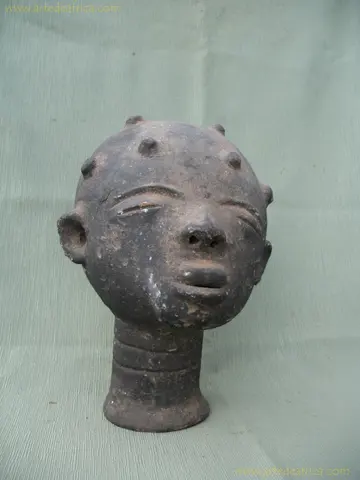
These terracotta heads have a common point with the bronze portraits of Ife.
TRRC-33
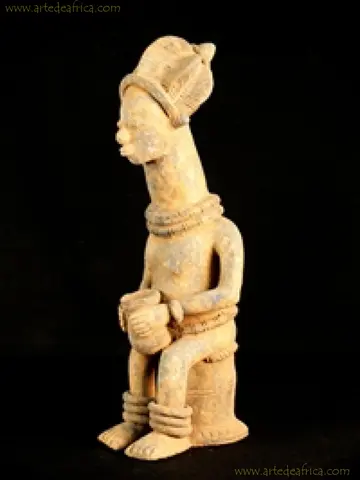
Male character sitting in an offering attitude, with a glass of offerings between his hands.
TRRC-34
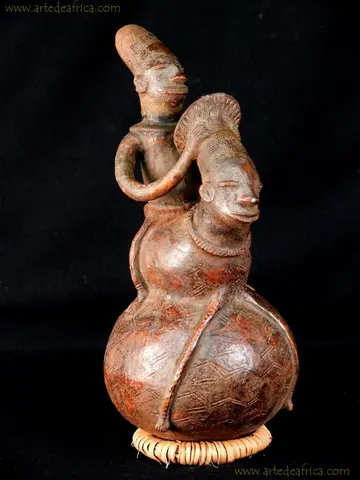
Anthropomorphic pitcher depicting a mother with her son riding on top, judging by the typical female and male hairstyles respectively.
TRRC-35
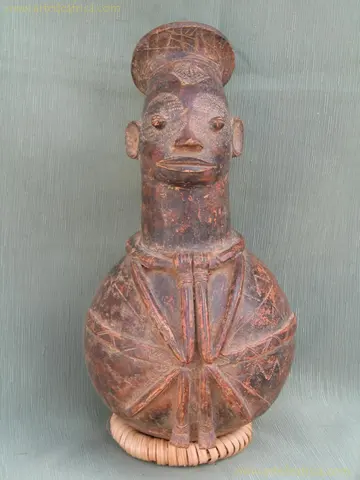
Anthropomorphic pitcher that, judging by the hairstyle, represents a woman, with her arms and legs folded.
TRRC-36
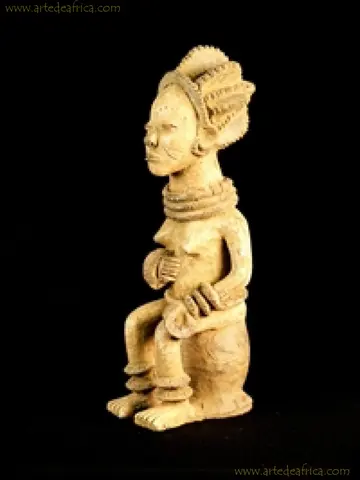
Female character with incipient breasts that by facial scarifications and necklaces and bracelets he wears on neck, arms and legs, as well…
TRRC-37
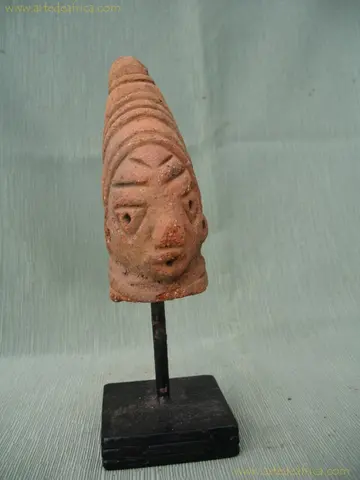
Touched head of an elongated hairstyle in conical form. No doubt fragment of a larger figure.
TRRC-38
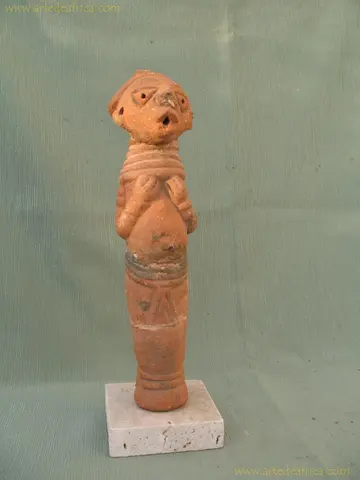
terracotta figure that looks feminine given its appearance and ornaments.
TRRC-39
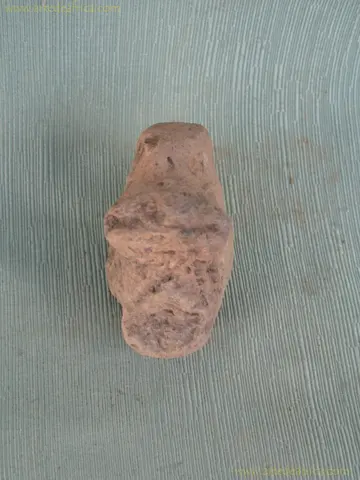
Civilization Sao extended for almost a millennium, from the fifth centuries before Christ to the century XVI mainly in Chad, in an…
TRRC-40
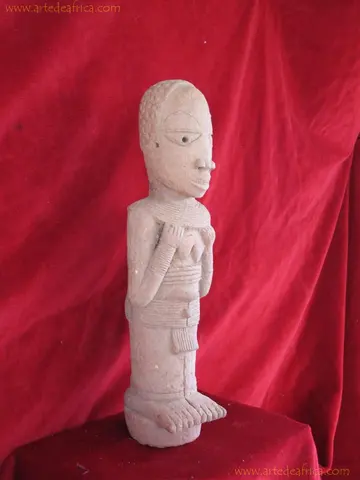
The terracottas Nok have been dated, mostly, between the centuries IV A.C. a II D.C.
TRRC-42
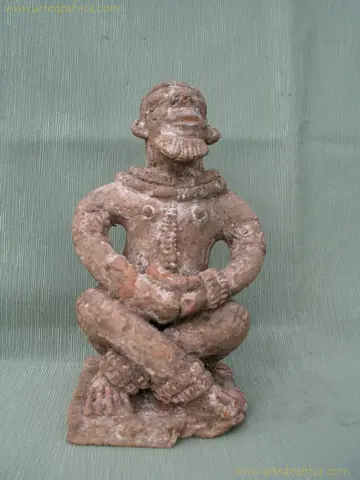
Figure of a remarkable with crossed legs and hands together on the waist, looking at the sky in a gesture of imploration.
TRRC-43
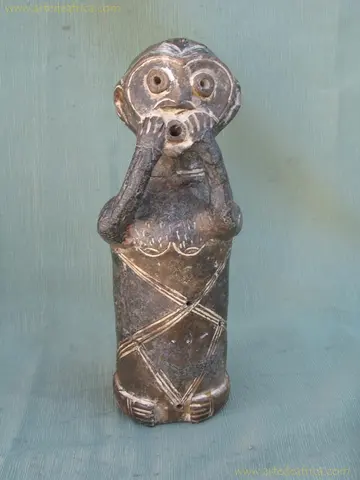
They live in northern Cameroon east of Nigeria. Your statues tThey are recognizable by their heart-shaped faces and their disproportionate heads.
TRRC-45
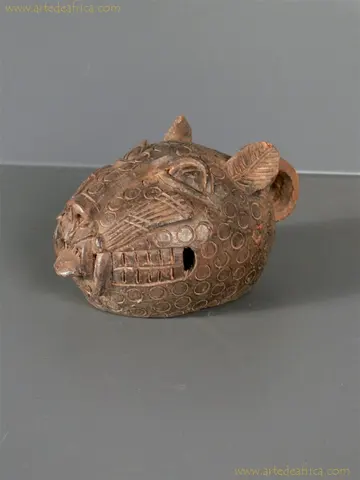
The leopard is an attribute of royalty, only the king can use this symbol, which represents strength, agility, beauty and intelligence.
TRRC-46
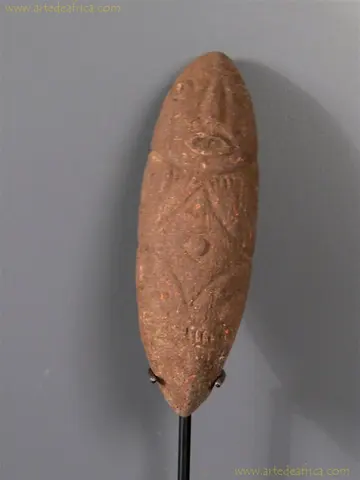
Terracotta figures that do not usually exceed 25 centimetres and which are intended to commemorate an ancestor or a founding hero of…
TRRC-47


