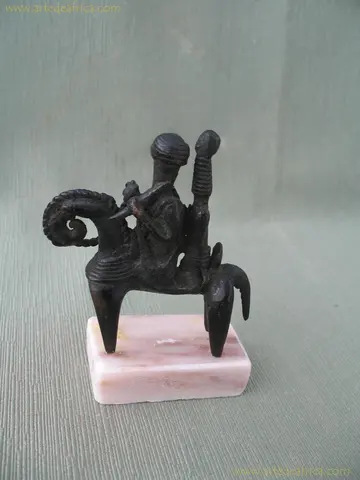
Knight Targui
These little equestrian figures, called bronzes Saowhich appear in the Tchad, in the territories formerly occupied by the Sao In fact, they…
FEC-2

Text of the original catalogue
The representation of a man on horseback is a redundant figure in the artistic production of many African ethnic groups. The cavalry was decisive for the expansion of empires Mossi And Songhay, having to face enemies with an unequal force. For Dogon The horse is associated with the ark which, in its cosmogony, descended from the sky suspended to a copper thread carrying the first ancestor who transformed into a horse to drag it to find the first rains that made it float like a canoe. The ark is depicted as a sort of rectangular arch with a head and a horse tail at the ends. It also symbolizes Lebe, the spirit of the nommo who brought fertility to the earth and fire to men. For Baulé and the Senufo equestrian figures of wood are mediators in divinatory processes as are forging figures of the Lobi and for Yoruba they embody Obatala, one of the 16 secondary divinities commissioned by Olorun, god of Heaven, to create the world and to introduce life into it. Many other ethnicities have created these figures that can represent warriors, dignitaries, monarchs and even beings from beyond, whether in wood the most numerous, in bronze, iron, terracotta or stone. Many of them are kept in family altars for various purposes, as they also serve as mediators with the supernatural world to ask for fertility, strength and healing of diseases.
17 objects · page 1 of 1
These little equestrian figures, called bronzes Saowhich appear in the Tchad, in the territories formerly occupied by the Sao In fact, they…
FEC-2
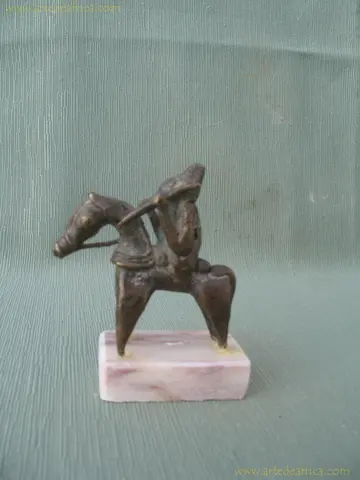
These little equestrian figures, called bronzes Saowhich appear in the Tchad, in the territories formerly occupied by the Sao In fact, they…
FEC-3
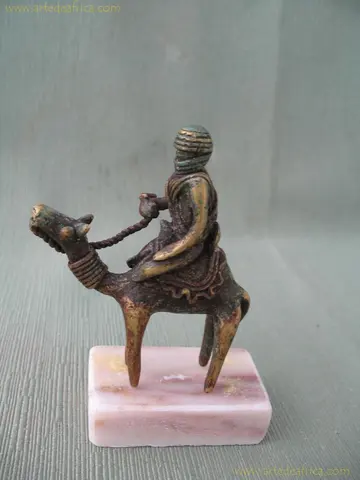
These little equestrian figures, called bronzes Saowhich appear in the Tchad, in the territories formerly occupied by the Sao In fact, they…
FEC-4
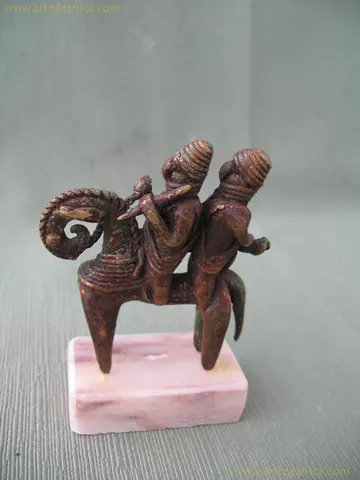
These little equestrian figures, called bronzes Saowhich appear in the Tchad, in the territories formerly occupied by the Sao In fact, they…
FEC-5
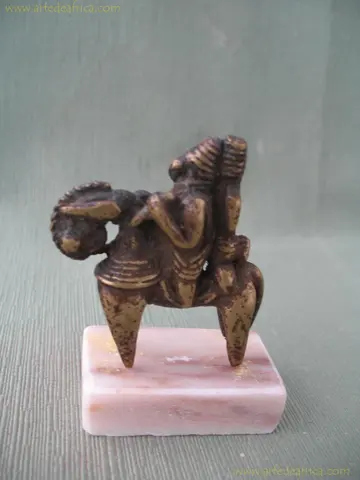
These little equestrian figures, called bronzes Saowhich appear in the Tchad, in the territories formerly occupied by the Sao In fact, the…
FEC-6
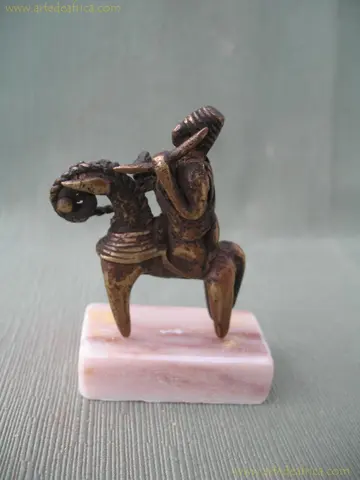
These little equestrian figures, called bronzes Saowhich appear in the Tchad, in the territories formerly occupied by the Sao In fact, they…
FEC-7
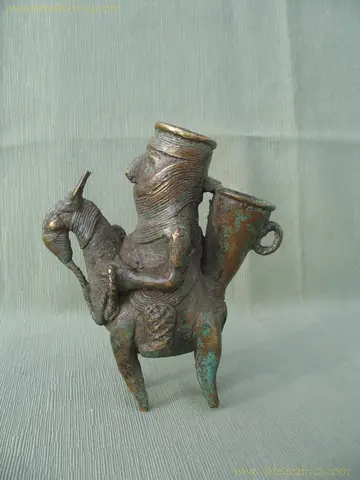
Kotoko Horseman, descendant of the Sao, from the Ndjamena region, in the Tchad.
FEC-8
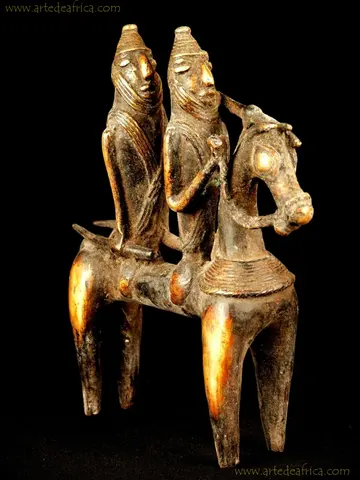
Figure, of solid appearance, of two riders armed with arches.
FEC-9
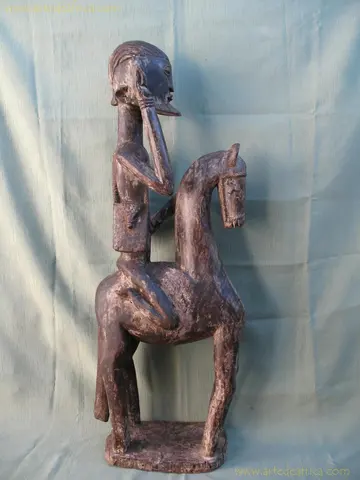
The rider or knight in his saddle is a redundant theme in dogon art.
FEC-10
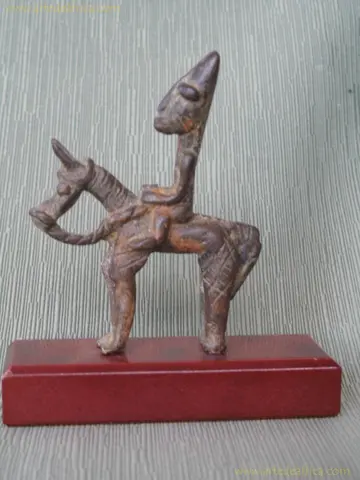
The rider or knight in his saddle is a redundant theme in dogon art.
FEC-11
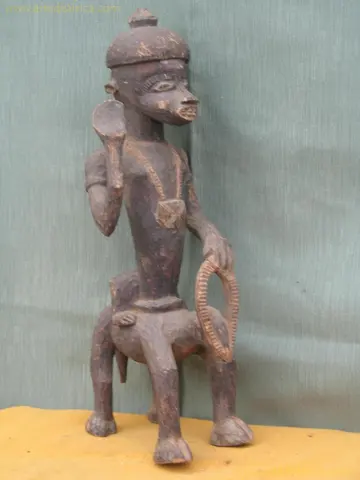
Figure from Korhogo representing a remarkable or a healer on a saddle that curiously lacks a head.
FEC-12
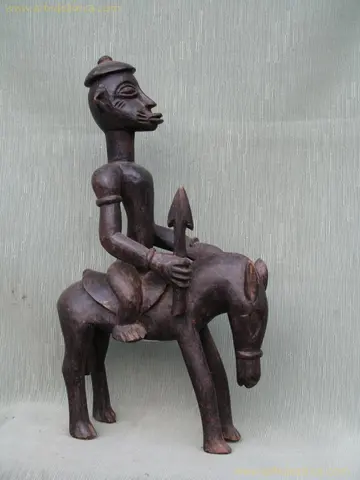
Equestrian sculptures correspond to an important category within the Senufo statuery.
FEC-13
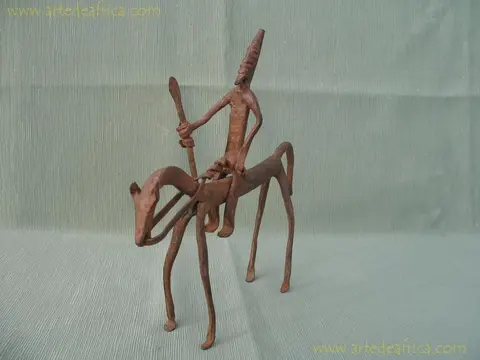
The rider or knight in his saddle is a redundant theme in dogon art.
FEC-15
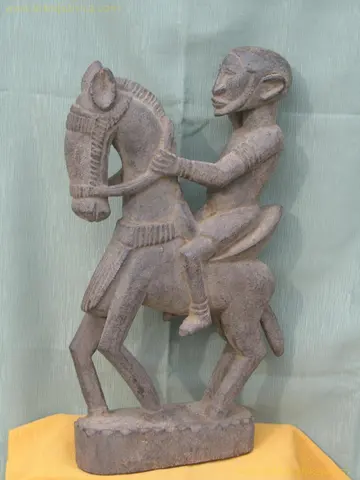
The rider or knight in his saddle is a redundant theme in dogon art.
FEC-16
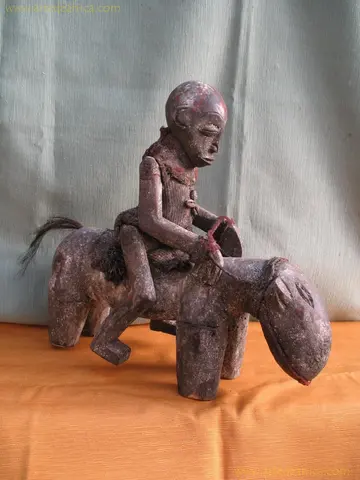
It seems that the horse was introduced to Africa, especially to the south of the Sahara, according to archaeological excavations and some…
FEC-19
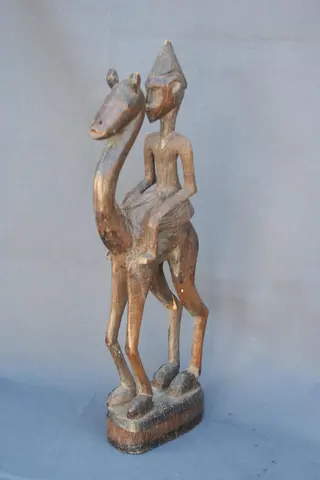
It is certainly a matter of evoking the memory of an ancestor dedicated to the grazing of dromedaries.
FEC-25

The rider or knight in his saddle is a redundant theme in dogon art.
FEC-26


