Tinkerbell
Old bell used as ornament by women PeulOld patina.
CYA-10

List of the historical catalogue
Text and organisation of the original catalogue · Jesús Arrimadas Saavedra
Ornamentation is not just a female symbol. Kings and notables make abundant use of gold, copper or brass jewels in addition to other metals. The jewels denote the importance of the wearer. Female ankle bracelets, depending on their weight and size, indicate that the range of their wearers frees them from ordinary household chores while forcing them to walk in a special way that increases their appeal and seduction power. Arms, legs and ankles as well as neck, forehead or nose, or size and torso can be adorned with bracelets, necklaces and other jewelry. There are pearls and necklaces exclusively reserved for the use of kings and high dignitaries, as is the case in Benin. Brass and copper jewelry, the so-called African bronze, manufactured by the method of lost wax, are widely used in Africa, as are garments or ornaments decorated with cauris or beads and beads bracelets and beads of ceramic. These are often recovery metals. The cauri, has served as currency, in some places, until well into the century XX. It is a symbol of female fertility, indispensable element in divinatory and magical rites, and habitual ornament of statues, masks and garments. The bracelets, like the other jewels, are part of the family heritage, they are part of the dowry in most cases and customary barter currency in almost all regions. Likewise many bronze bracelets are coin, part of the dowry and always family heritage.
81 objects · page 2 of 4
Old bell used as ornament by women PeulOld patina.
CYA-10
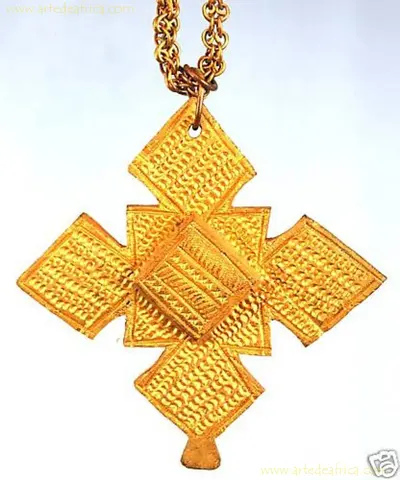
Pendant used by bosses and notable in ceremonies, made of gold metal.
CYA-11
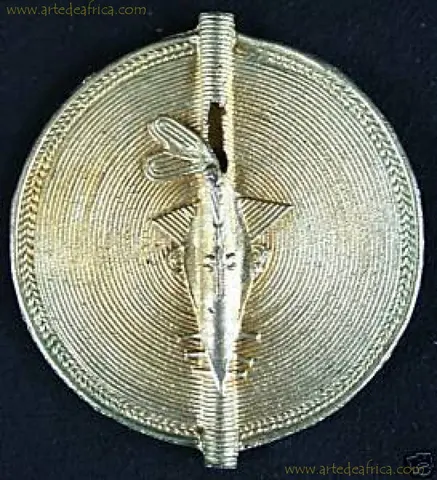
Pendant used by notable and high dignitaries in ceremonies.
CYA-12
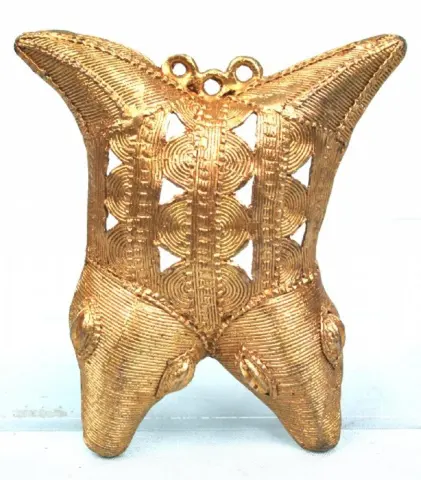
Pendant that has been used by a remarkable in ceremonies.
CYA-13
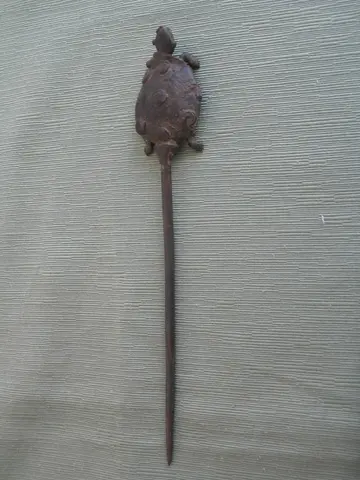
These pins are intended to hold the bows of the artistic hairstyles of ceremony and festive women.
CYA-14
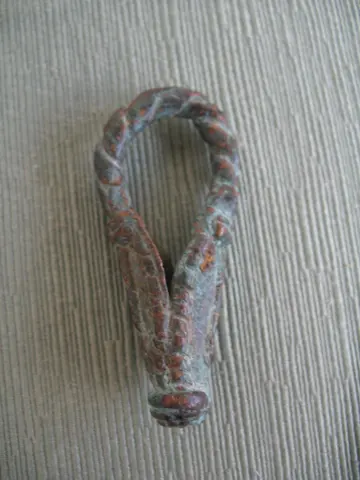
Small pendant shaped like a basket, representing an antelope head.
CYA-15
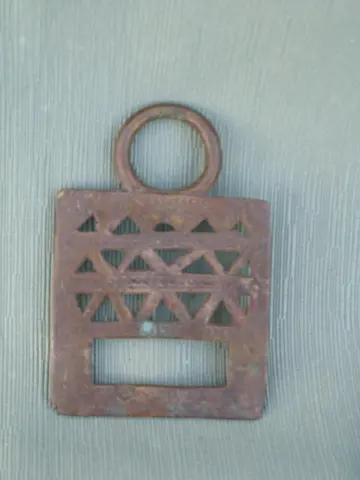
Pendant used by the Lobi women.
CYA-16
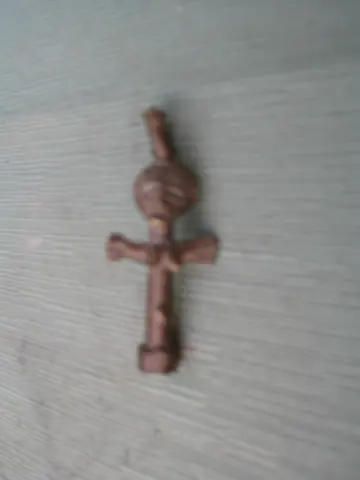
Small doll-shaped pendant Akwaba. Eused by women and young women as greygrey or protective amulet.
CYA-17
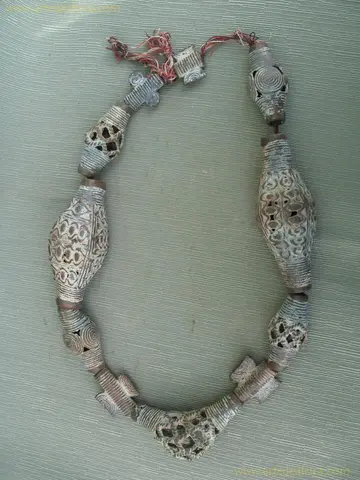
Necklace formed by eleven bronze pieces of different shapes, with green patina, used by the tikar women.
COLL-1
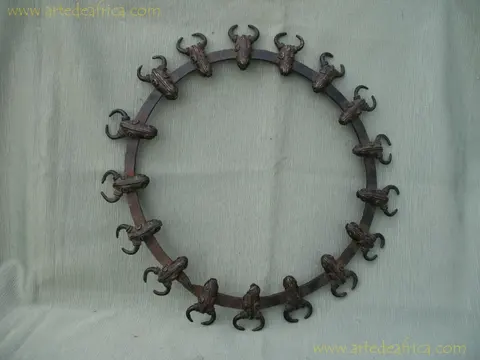
Head enthronement collar formed by seventeen buffalo heads, a bamun symbol, which are inserted at equal distances in the circular bronze plate.
COLL-2
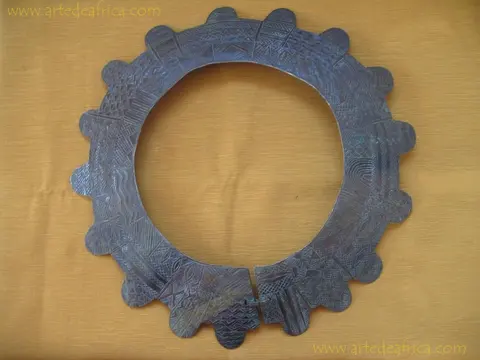
Royal collar or boss collar. It is worn over the garments to show the rank.
COLL-3
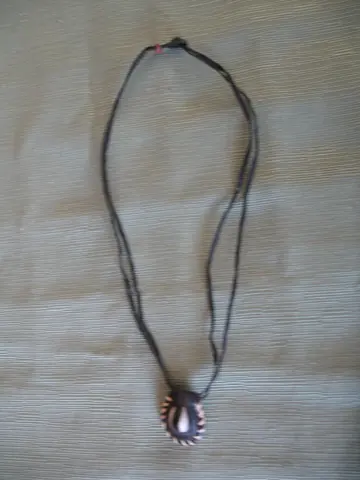
Simple necklace worn by young women and Wolof women to promote fertility.
COLL-4
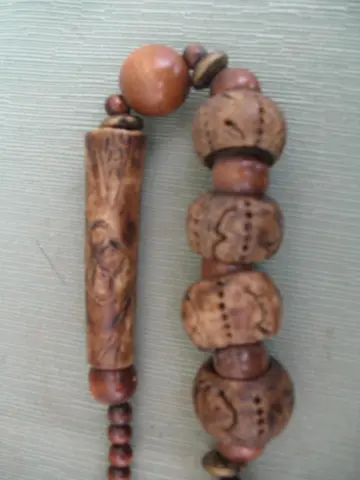
Necklace formed by small and large hardwood beads, alternating the large ones with large circular bone beads and two long cylindrical beads,…
COLL-5
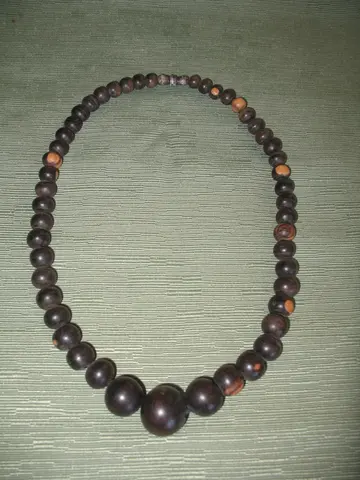
Necklace of wooden beads of progressive thicknesses. Dark color on most beads.
COLL-6
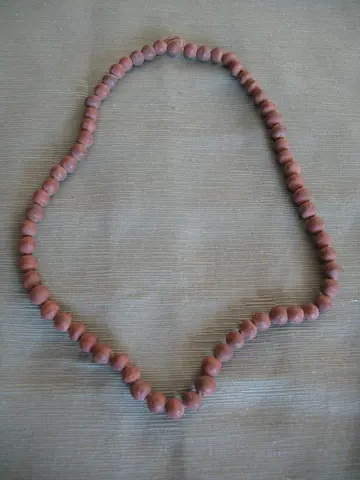
Simple paste necklace composed of clay balls. Beared as ornament by Wolof women.
COLL-7
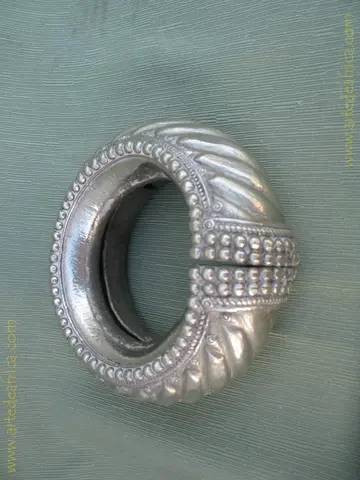
Bracelet intended to be worn by women on the ankle, in the manner of the former slaves, although in this case in…
PYB-1
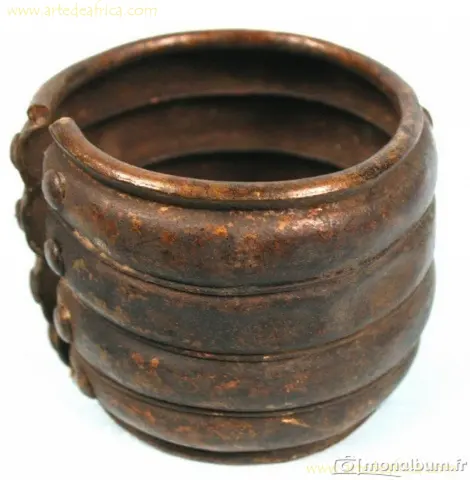
Object that has been used, important size and nice patina.
PYB-2
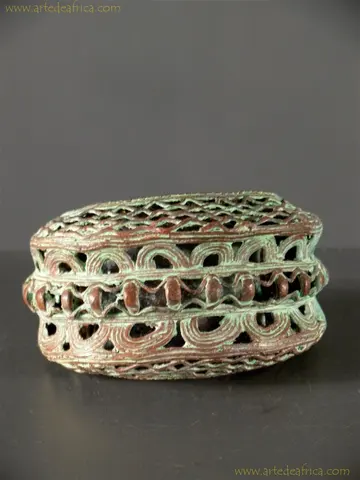
Normally the Kapsiki are classified as Kirdi, is a term used by the Peul to designate non-Muslim pagans.
PYB-3
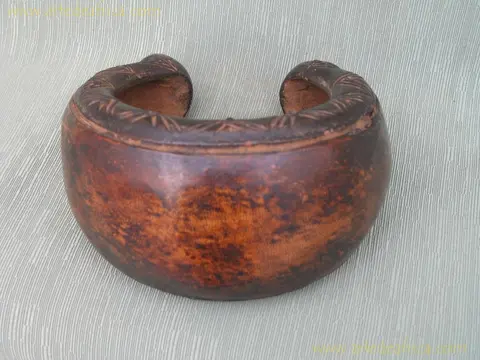
terracotta bracelet adorned with triangles on the edges and smooth in the center.
PYB-5
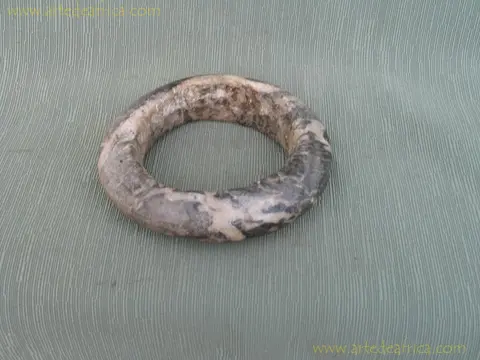
In his day these bracelets, called elbow bracelets, served as a defensive shield to stop the opponent's sword blows and strike him…
PYB-6
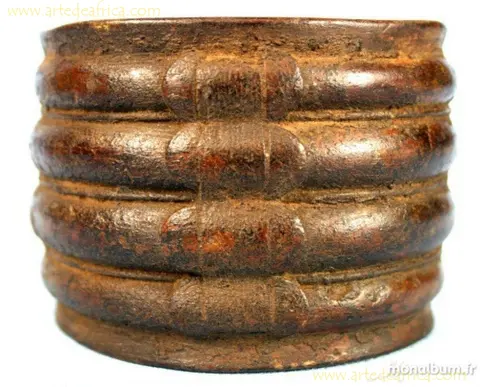
Bracelet made by the procedures of lost wax, of four overlapping circular crowns.
PYB-7
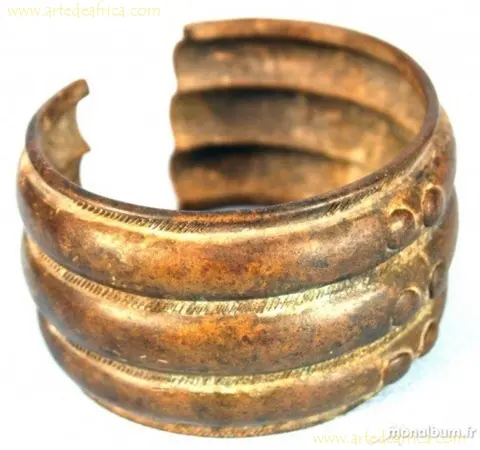
Regular bracelet made by the procedure of lost wax. Old patina for use and the time elapsed.
PYB-8
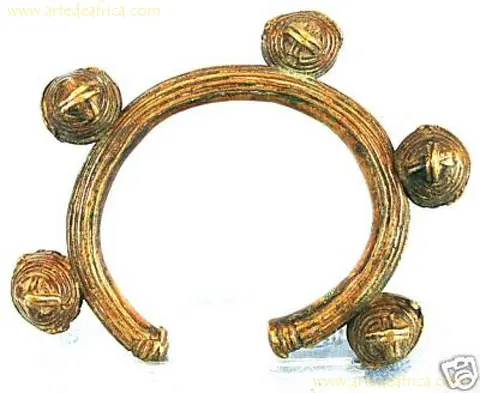
Use bracelet with grooves and five bells or bells.
PYB-10
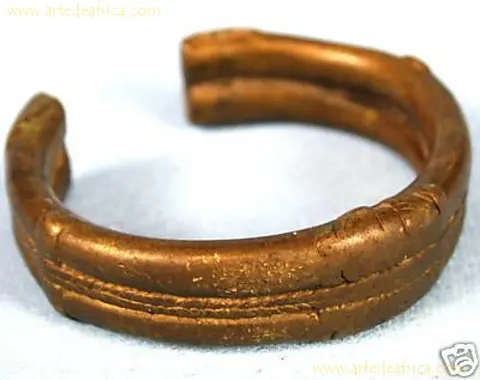
Small solid bronze bracelet made by the procedure of lost wax.
PYB-12


