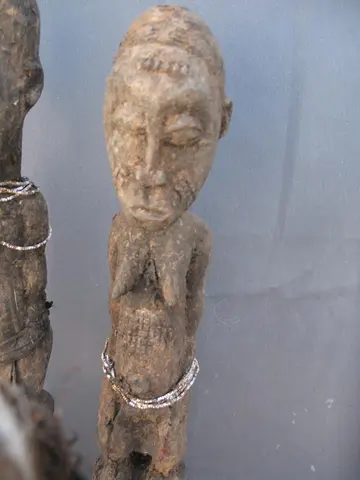
Altar Tamtam
Altar formed by a couple of baulé in an attitude of recollection before the drum destined to call the spirits.
OYA-12

List of the historical catalogue
Text and organisation of the original catalogue · Jesús Arrimadas Saavedra
The family altar is a sacred place intended for the worship of ancestors and used by virtually all the animistic ethnicities of black Africa. It is the center of the vital energies and the par excellence in which the world of the living and that of the dead enters into communication, or rather that of the ancestors, because they have not died, they have simply passed into another dimension. In these altars, statues, masks and other objects intended to worship ancestors will be kept in the shelter of the eyes of the profane. Most of these statues represent the ancestors, others are erected to thank a divinity for the service rendered. In both cases they serve to intensify devotion. Normally these altars are erected in a hut, called sanctuary, especially dedicated to worship. This is where the family will celebrate their rites, prayers, libations and even animal sacrifices intended to obtain the favor of their deceased. And this is where the deceased transmit their strength, their advice, their teachings and all their help to those who still remain is this world of the living. Life in traditional Africa is inconceivable without this interaction. These altars can take multiple forms. Sometimes, as in the case of some ethnic groups, such as Igbo (Nigeria) with the Ikenga the altar can be reduced to a statue or even a mask. The altar masks do not dance or participate in dances, they are sacred masks that are kept in the sanctuary. Only priests and initiates can approach them and offer sacrifices. They are placed on the altars during ceremonies. There are also masks that are altars on which sacrifices are made.
48 objects · page 2 of 2
Altar formed by a couple of baulé in an attitude of recollection before the drum destined to call the spirits.
OYA-12
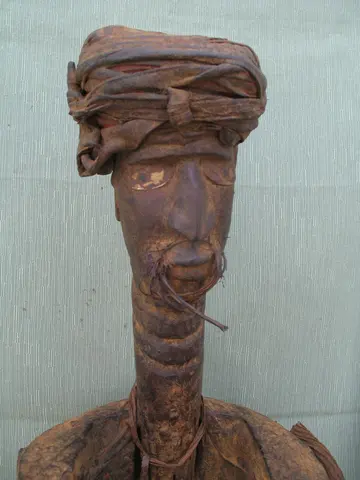
Family altar intended to worship ancestors.
OYA-13
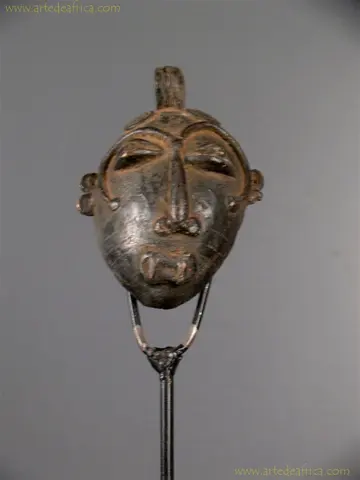
The people Tikar, of Bantu origin, is a village of Grassland, it is formed by 300.000 individuals, established in different population centres…
BRN-61
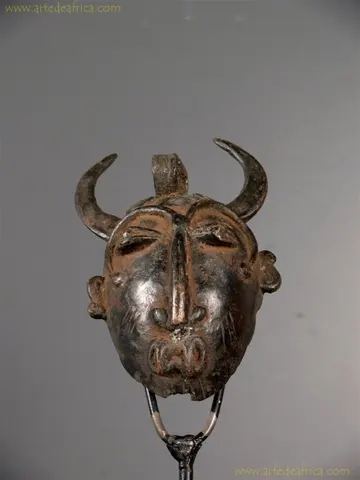
The people Tikar, of Bantu origin, is a village of Grassland, it is formed by 300.000 individuals, established in different population centres…
BRN-60
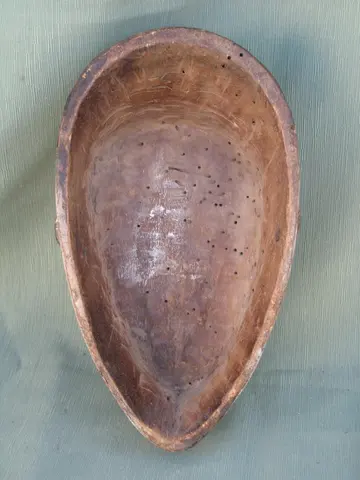
These masks are kept in the family altars and are intended to honor the deceased.
MSOAL-13
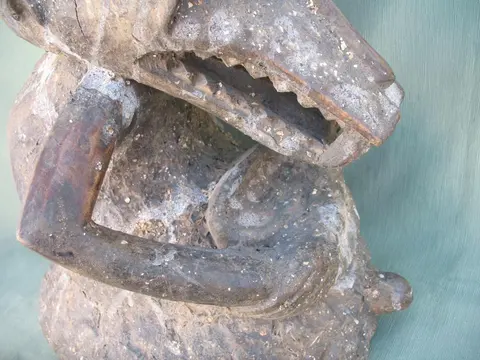
Mbotumbo is the name given to the so-called “begging monkey”.
MSOAL-14
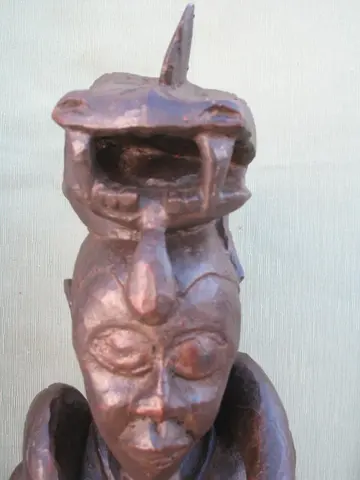
Statue from the island of Nalu. Represents a soothsayer and healer with a great dominion over snakes.
MSOAL-16
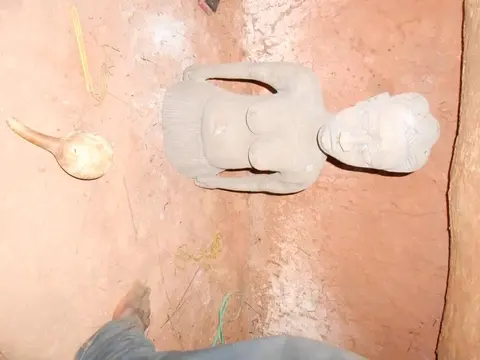
Bust of woman from the island of Nalu.
MSOAL-17
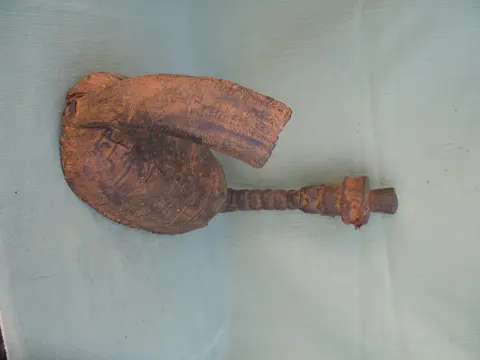
For Bidjogo everything sacred or everything that can enclose a mysterious energy is named after Iran.
MSOAL-15
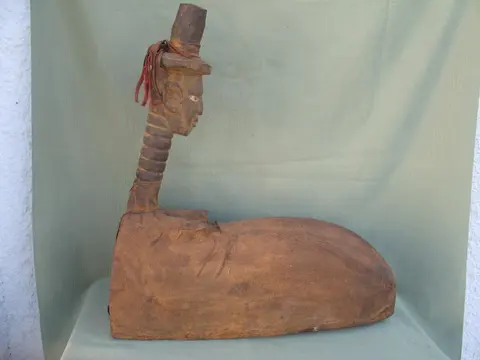
For Bidjogo everything sacred or anything that can enclose a mysterious energy is called .
MSOAL-18
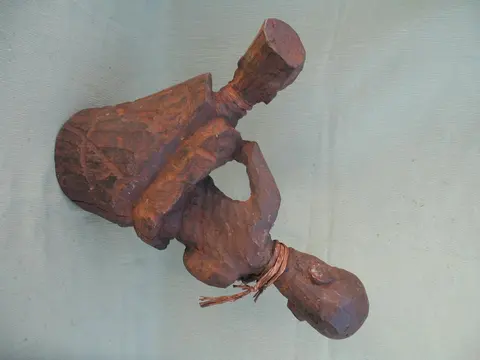
For Bidjogo everything sacred or anything that can enclose a mysterious energy is called .
MSOAL-19
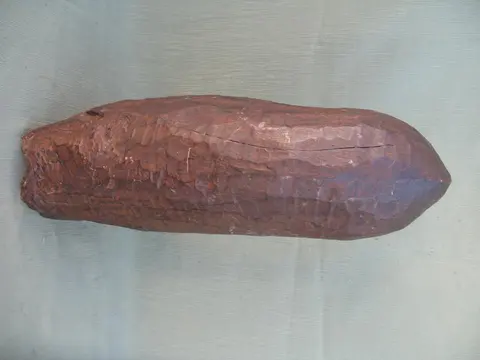
For Bidjogo everything sacred or everything that can enclose a mysterious energy is named after Iran.
MSOAL-20
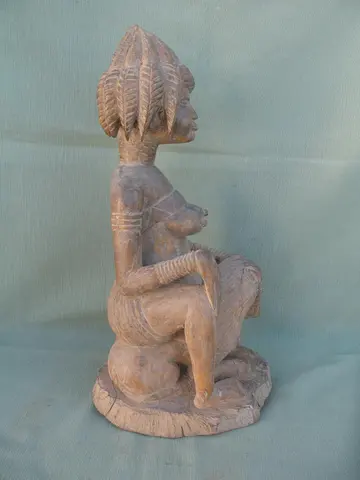
Altar represented by a high-ranking woman as indicated by her elaborate hairstyle, bracelets and dress, sitting on a lion, which is also…
MSOAL-21
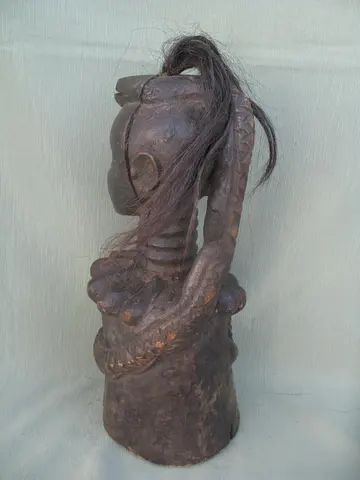
Holy figure or Iran that serves as a family altar and represents a soothsayer, priestess Okinka in charge of the sacrifices.
MSOAL-23
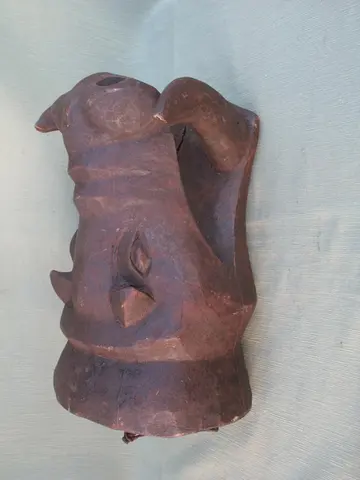
For Bidjogo everything sacred is called “iran”, whether it be an altar, a statue or a seat, and they are respected and…
MSOAL-24
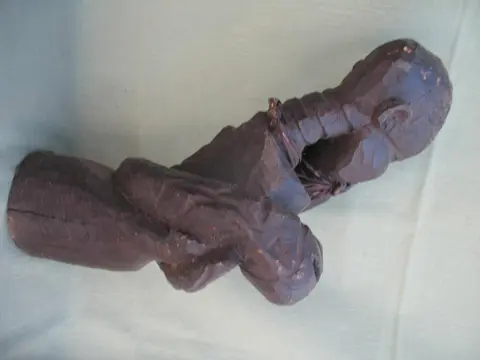
The snake and especially the python has a great symbolism in most African ethnicities and plays an important role in many of…
MSOAL-25
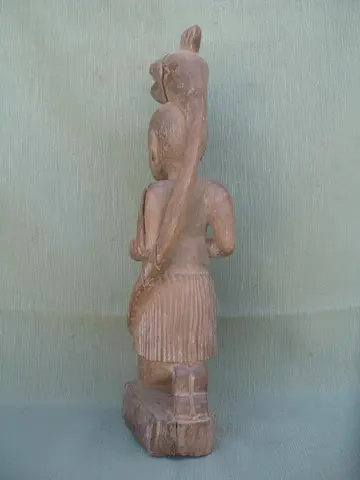
The snake and especially the python has a great symbolism in most African ethnicities and plays an important role in many of…
MSOAL-26
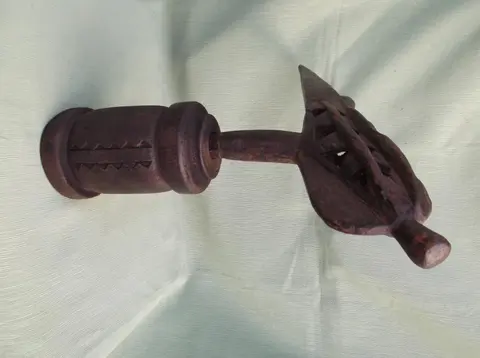
This altar figure is named after A-Tshol, Elek and also Anok.
MSOAL-27
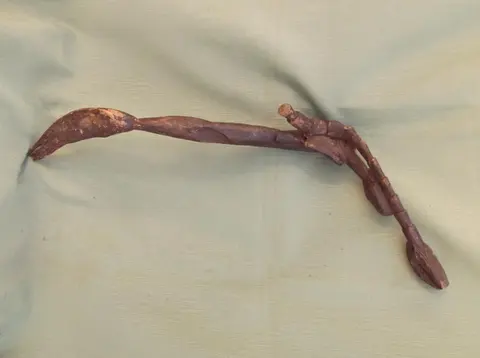
River Divinity favoring fishing, which fishermen carry in the boat during fishing.
MSOAL-28
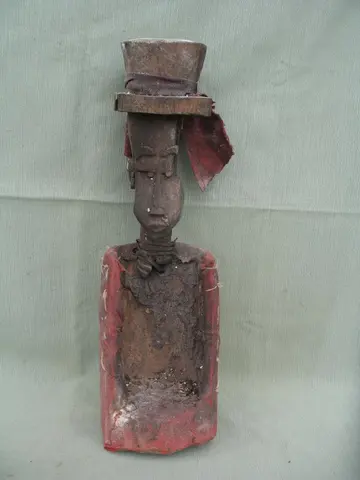
Family altar intended to worship ancestors.
OYA-15

For Bidjogo everything sacred is called “iran”, whether it be an altar, a statue or a seat, and they are respected and…
MSOAL-29
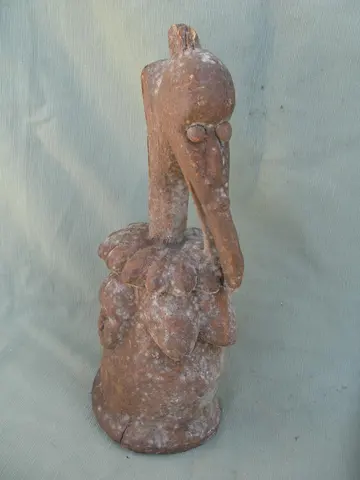
Bidjogos altars are family altars intended to worship ancestors.
MSOAL-30
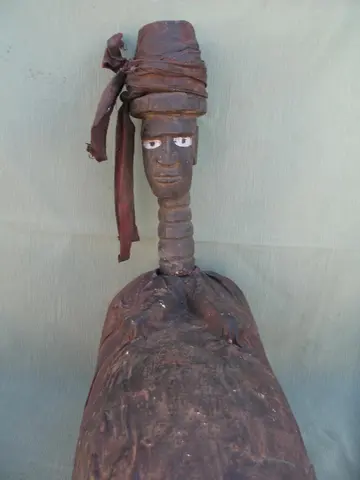
For Bidjogo everything sacred or anything that can enclose a mysterious energy is called .
MSOAL-31
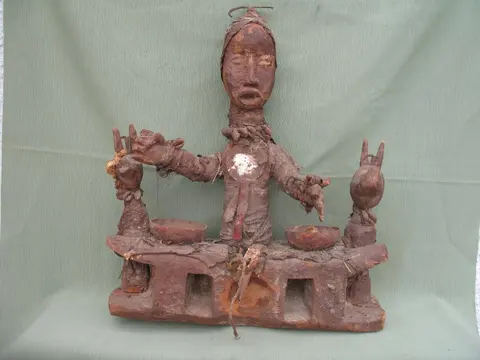
Very rare voodoo wing representing a priestess, with arms stretched out in full action.
-46


