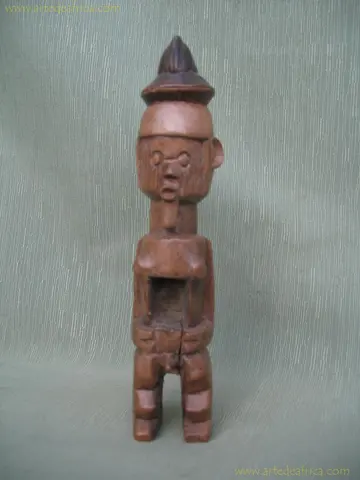
Motinu Bmamba
This fetish Teke comes from the Calaba region of Nigeria. It was used as a receptacle of traditional medicine.
FET-10

Text of the original catalogue
The group of the Keté, of Bantu origin, which is part of the great family Kubalives in the south-west of the Democratic Republic of the Congo, former Zaire, in western Kasaï province, north-west of Mweka, in small independent villages run by heads of families engaged in agriculture, grow millet, corn, cassava, palm oil, peanuts and tobacco. In addition to agriculture they practice trade, as the name implies “teke” means “buy”, hunting and fishing. They are skilled browsers and also skilled metal, iron, steel or brass workers, manufacture weapons and jewelry. There are also some communities in the south-east of the People ' s Republic of the Congo and Gabon. His kingdom had a time of splendor over the centuries XVI and XVII and they participated in the slave trade but also suffered it in their flesh which was the beginning of their decline which culminated in the French invasion and colonization. They live together in villages of no more than 300 people, with their main cell being the traditional African family, matrilineal, in which parents decide the marriage of the children. They are mostly animistic, believe in a higher creator of the universe, Nzambi and practice the cult of ancestors. His vertical scarifications on his face are the sign of belonging to the same religious and political community. Their masks are characterized by abundant geometric motifs that stand out on a basis.They use their Kidumu masks on the occasion of weddings, funerals, initiation, rites of passage, in important ceremonies and playful parties. Its masks are quite flattened and practically circular, divided horizontally by a central stripe, decorated with geometric drawings and a varied polychrome that gives them a multicolor aesthetic and abstract expression. MASCARAS NGITA Similar to the bwoom of his relatives the Bushongo, but with two horns projected backwards. These are masks that appear during funerals and initiation ceremonies. The statues are reserved for initiatory rites. They also manufacture other liturgical objects, necklaces and music instruments.
15 objects · page 1 of 1
This fetish Teke comes from the Calaba region of Nigeria. It was used as a receptacle of traditional medicine.
FET-10
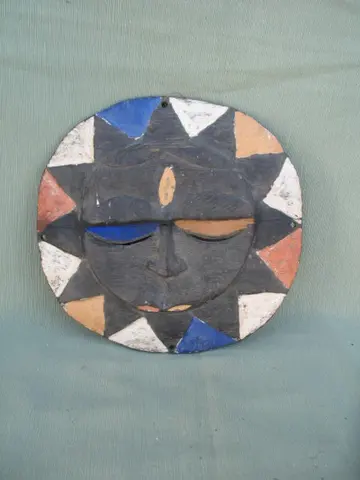
The masks of this group are round and flattened.
MFANT-29
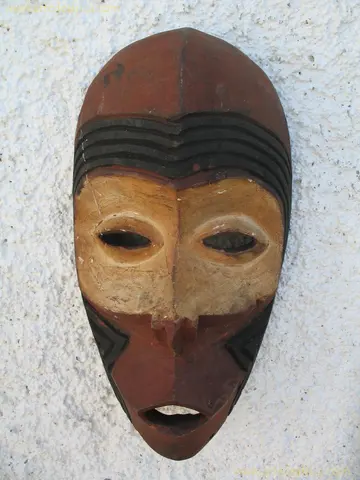
Cover mask by members of society Kidumu at weddings, funeral ceremonies of important members or at the reception of personalities and at…
MFANT-39
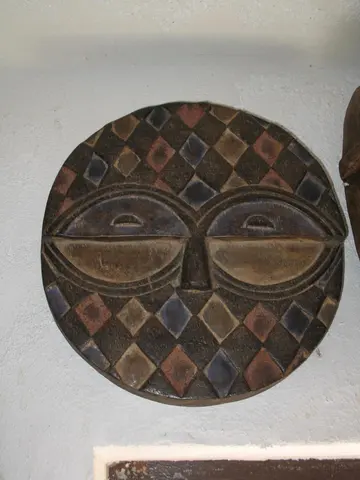
Mask of the moon with large oval eyes cut by a midline that divides them into two zones, dark blue the suiperor…
MFANT-211
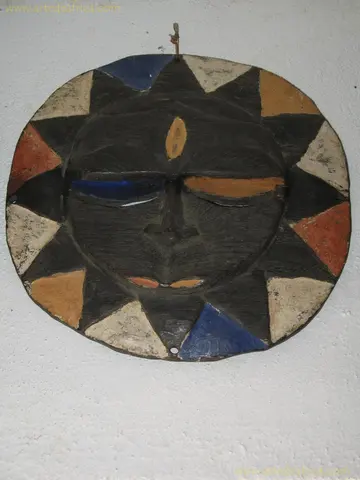
Sun Mask belongs to the ekpo society because like the ibibio and other peoples also have the Eket they have the secret…
MFANT-77
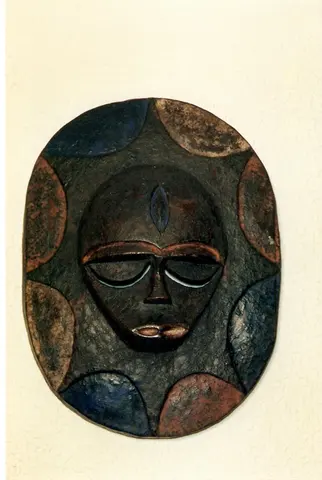
The Eketsub-group of the IbibioThey worship the sun and the moon.
MFANT-85
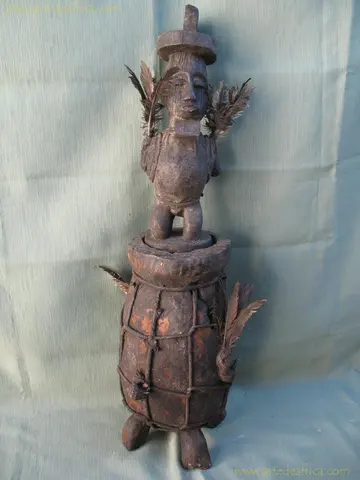
A container originally intended to contain palm oil, as shown by its patinous crustosa greasy.
OYA-3
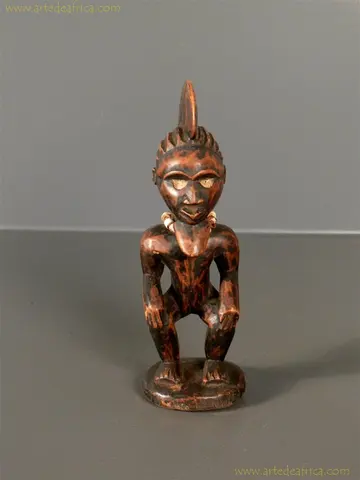
Teke male statuettes bear a beard, as it is a symbol of authority and power, so the soothsayer masks and the soothsayers…
EMS-59
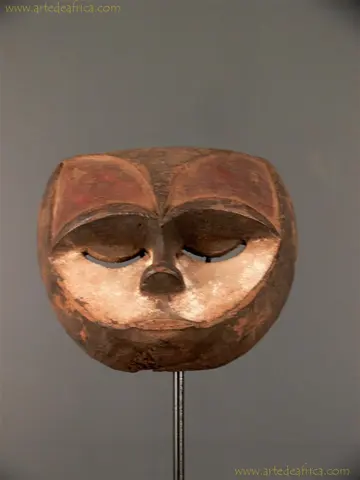
The people Eket It is formed by a caste society, being the most important Amamala.
MFANT-149
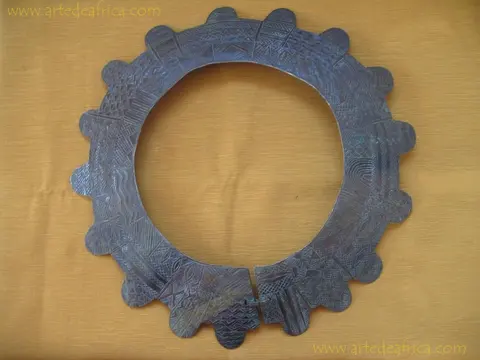
Royal collar or boss collar. It is worn over the garments to show the rank.
COLL-3
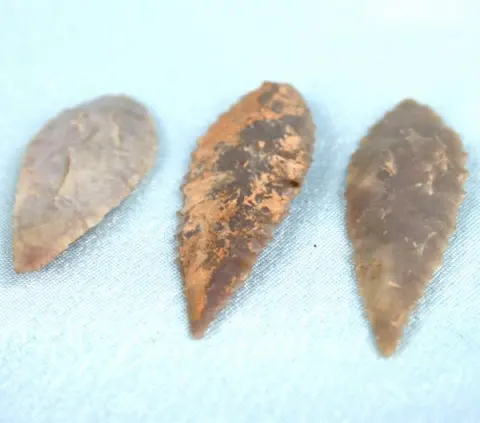
Launch points of the Neolithic period of Congo, a prehistoric era in which man bases his subsistence on agriculture, livestock, hunting and…
ARM-43
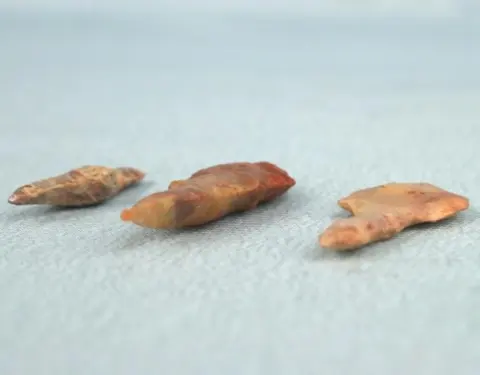
Point of spear, arrow and axe of the Neolithic period of Congo, a prehistoric era in which man bases his subsistence on…
ARM-44
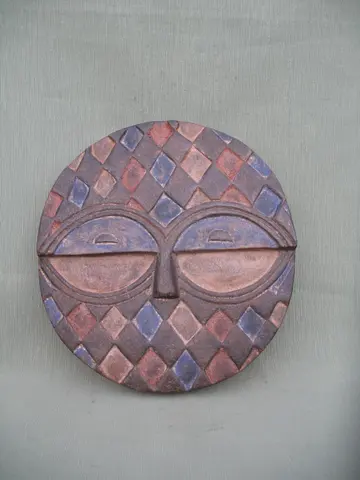
The masks of this group are round and flattened.
MFC-3
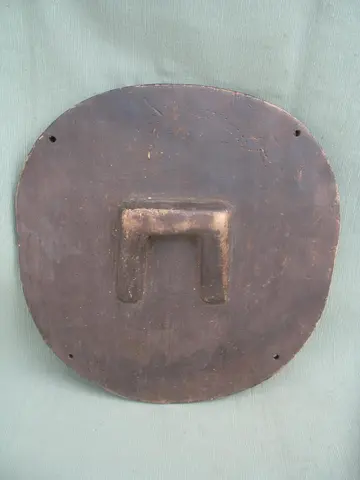
It is a round and flattened mask with two planes separated by a horizontal median line.
MFAZ-105
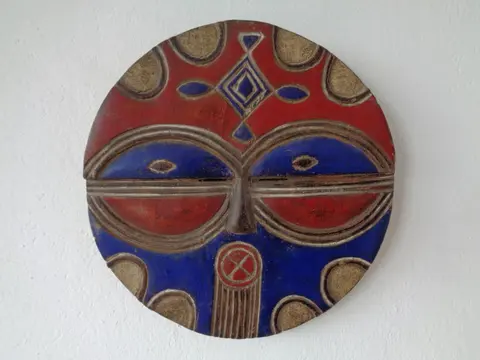
The masks of this group are round and flattened.
MFES-4


