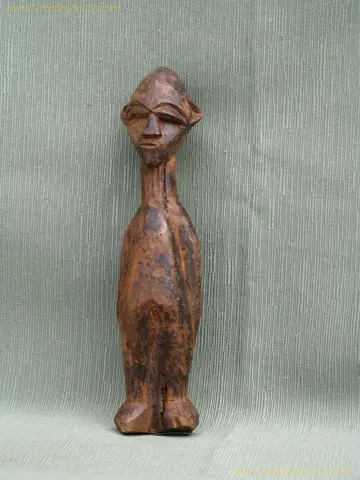
Bateba
The Lobi occupy part of northern Ivory Coast, north of the fauna reserve of Buna and south of Burkina Faso.
EMS-104

Text of the original catalogue
The Lobi occupy part of northern Ivory Coast, north of the fauna reserve of Buna and south of Burkina Faso. They are a village of farmers and hunters. Its houses are rectangular and built around a central courtyard. Each soukhale gives shelter to a family: the father and his wives, married and single children and grandchildren. The Lobi they receive an initiation period lasting three months, before the circumcision that culminates with the Feast of the Djoro, which takes place every seven years. The Bateba statues of the Lobi represent the evil philistine thils to whom it is convenient to make offerings and sacrifices to ensure their protection. Following the instructions of the sorcerers altars are built inside the houses or on the roofs. The bats, usually made of wood, although they can also be carved in stone, are small statuettes that rarely pass from half a metre, not reaching some to ten centimetres. They are rudimentary in appearance, roughly carved, not intended to be aesthetic but useful. Its usefulness lies in its magical strength. The duntundator bats are among the largest and have apotropaic virtues will ensure protection in exchange for offerings and with their aggressive appearance will keep evil forces away from families. Others will bat, embody different Thil, who will be recognized for their attitude. The dangerous Thil will appear with raised or open arms while more peaceful ones will adopt a normal attitude and may even represent a woman or a motherhood, symbol of fertility and wealth that will flood the house. There are figures batting that represent fertility imitating a sexual act, the so-called betises. Its three-legged, European-inspired, courtship stools are known to be topped by the head of one or both spouses. They manufacture small bronze jewelry, such as earrings and pendants decorated with geometric drawings and also in ivory. The people Lobi The female statues are called Thilburu and are statues that of family altars.
66 objects · page 2 of 3
The Lobi occupy part of northern Ivory Coast, north of the fauna reserve of Buna and south of Burkina Faso.
EMS-104
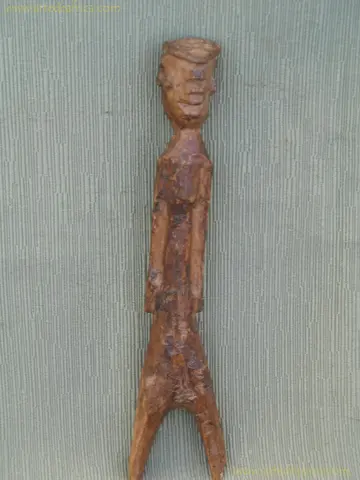
The Lobi occupy part of northern Ivory Coast, north of the fauna reserve of Buna and south of Burkina Faso.
1
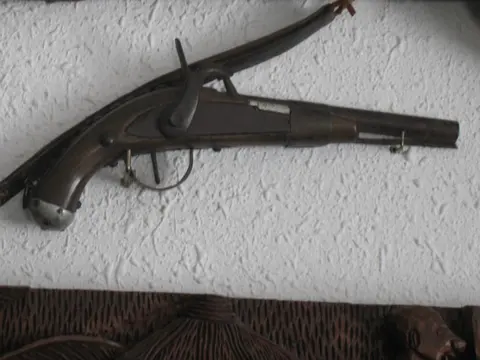
These weapons were manufactured by the blacksmith of the village recovering for the manufacture of the cannon any piece of metal tube.
ARM-49
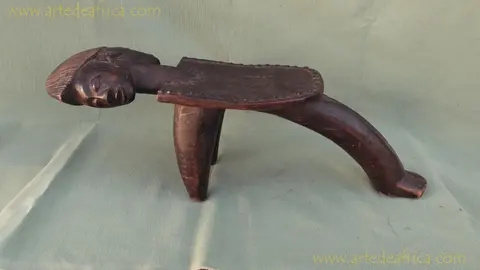
Object, coming from the region of Gaona, called interchangeably wedding stool or courtship, since it has a symbolic use during the celebration…
TAB-12
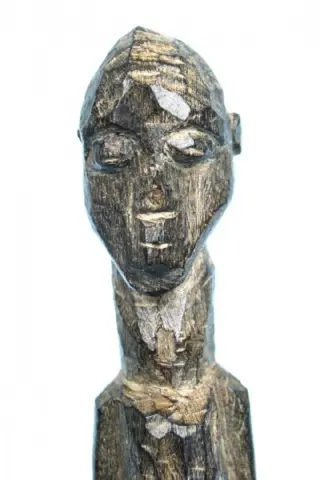
The statues, offerings, votive figures and exvotes are not in Africa an offering dedicated to God or to the gods for a…
FIV-28
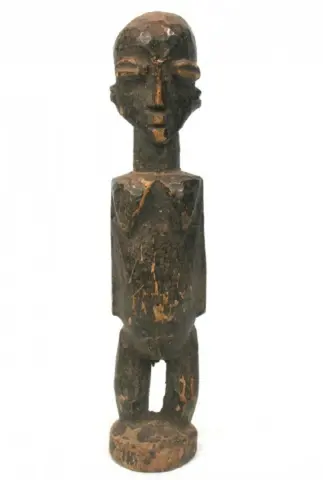
The statues, offerings, votive figures and exvotes are not in Africa an offering dedicated to God or to the gods for a…
FIV-31
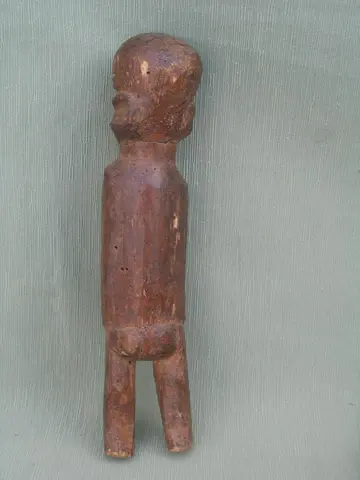
The Lobi occupy part of northern Ivory Coast, north of the fauna reserve of Buna and south of Burkina Faso.
EFM-115
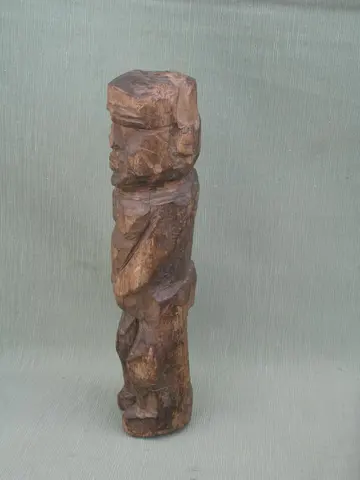
The Lobi occupy part of northern Ivory Coast, north of the fauna reserve of Buna and south of Burkina Faso.
EFM-116
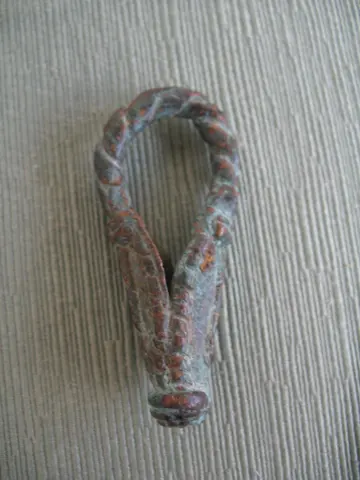
Small pendant shaped like a basket, representing an antelope head.
CYA-15
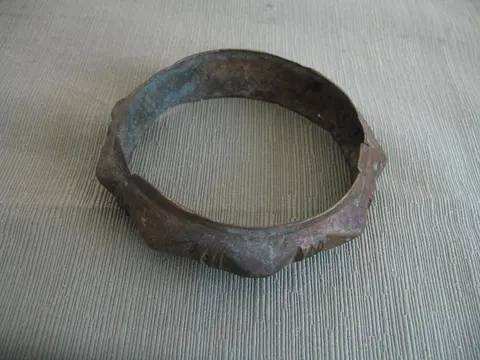
Very thin bracelet with geometric reliefs.
MND-29
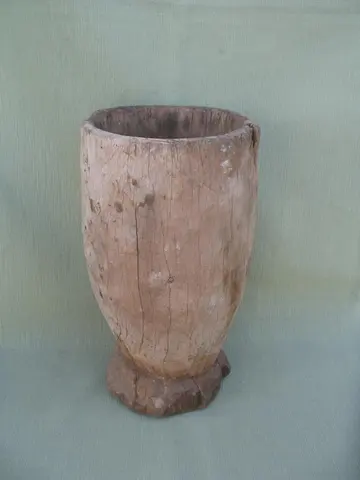
Heavy wood mortar used to grind cereals and prepare dishes from African cuisine.
VAR-21
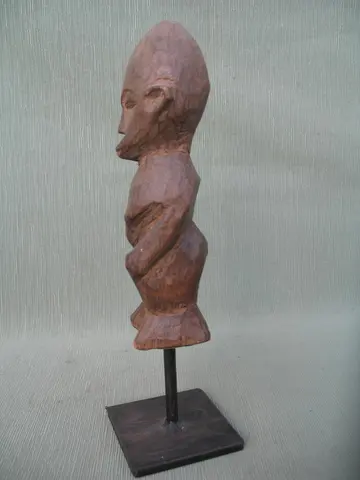
The Lobi occupy part of northern Ivory Coast, north of the fauna reserve of Buna and south of Burkina Faso.
-21
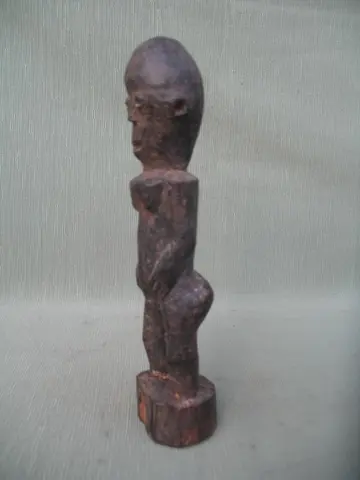
The statues, offerings, votive figures and exvotes are not in Africa an offering dedicated to God or to the gods for a…
FIV-38
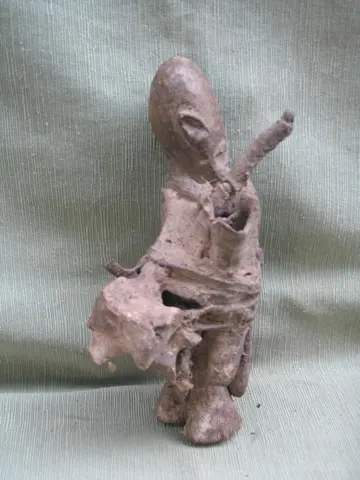
Fetish loaded with numerous objects ee magical ingredients. A thick crust amalgamates the whole set, produced by sacrifices and libations.
FET-70
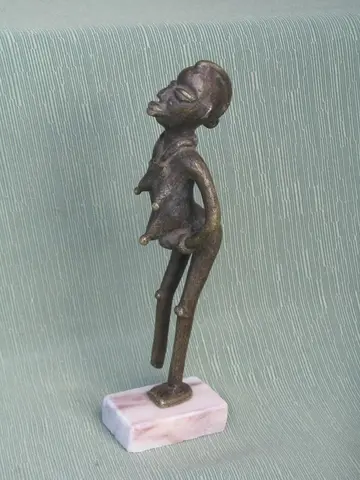
Little figure of a pregnant young woman. Her belly as well as her breasts are conical.
BRN-94
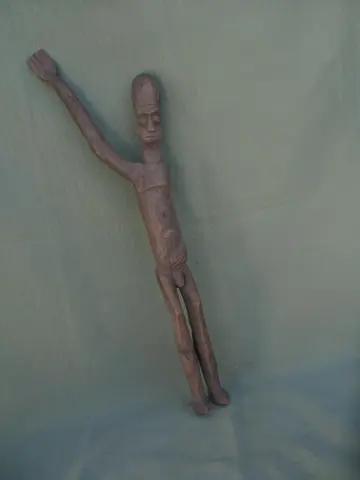
These statues of a man lifting an arm represent a man who has suffered a serious setback.
EMS-114
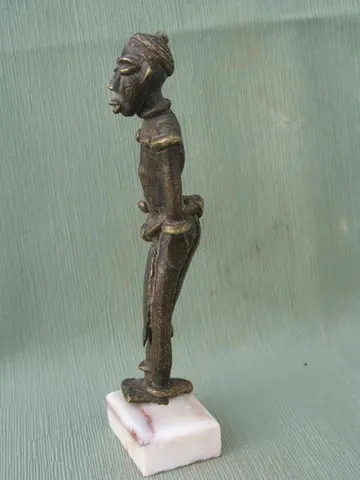
Young woman belonging to the class of notables as denoted by her dress and bracelets she wears in arms, forearms and ankles.
BRN-107
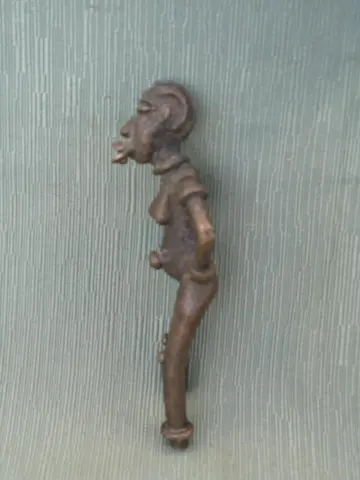
Young woman belonging to the class of notables as indicated by the bracelets worn in arms, forearms and ankles.
BRN-109
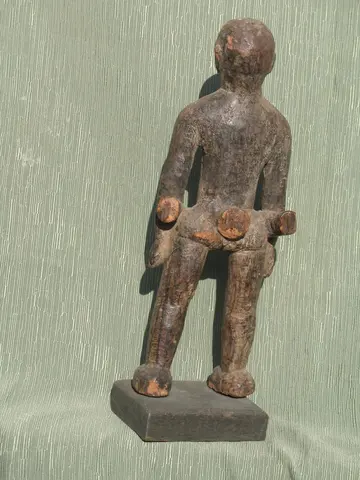
Simple lobi motherhood that lost the child behind her back.
MTR-66
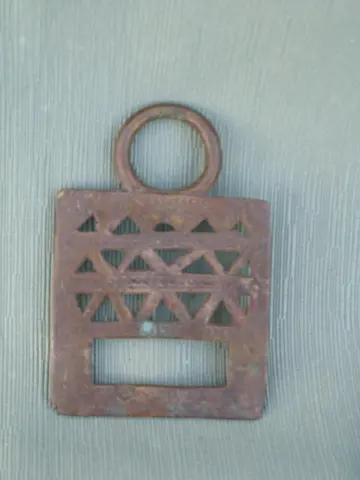
Pendant used by the Lobi women.
CYA-16
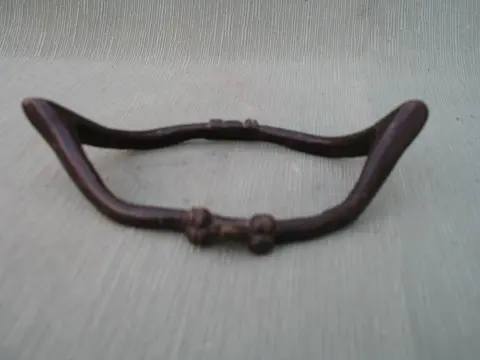
Fine anklet of calls for its shape in boat bridge, with a drawing embossed on either side.
PYB-44
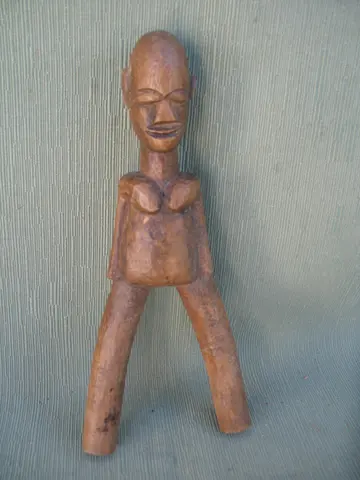
Curious slingshots depicting a young woman whose oval, pointed and oblique breasts are the prolongation of the shoulders.
TRCH-48
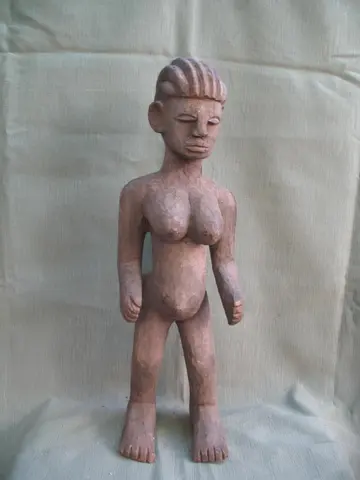
A figure of ancestry lobi that breaks the classic mold of the figures "bateba".
EFM-125
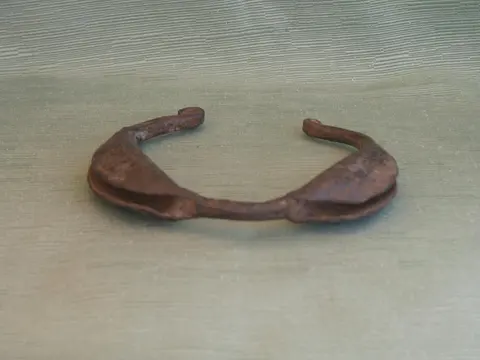
Armband that has two circular discs folded in the shape of a shell inside of which some pebbles or balls of iron…
PYB-48


