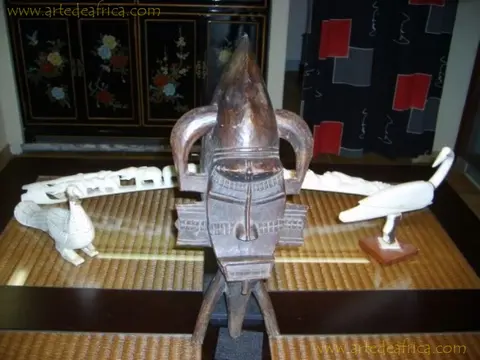
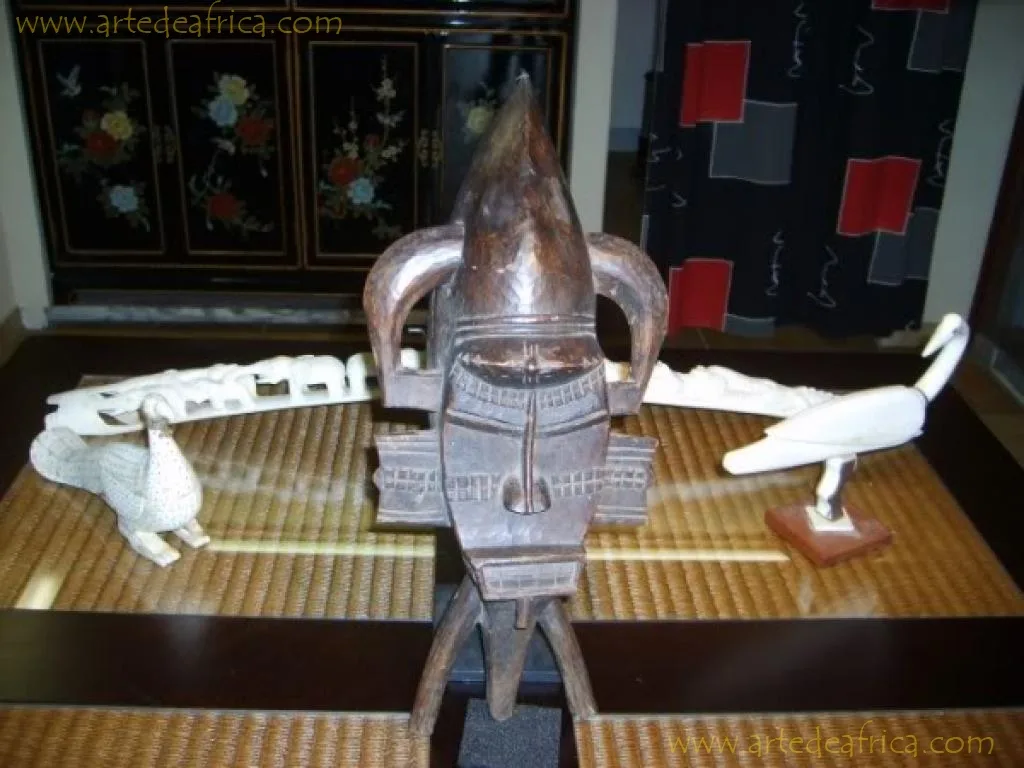
Kpelié mask
Not in all regions call Kpelié These masks, some of them.
MFAZ-66

Documented paths
The catalogue itself cautions that Kpelié is not a uniform designation across all regions. MFAZ-66 begins a comparison with another mask bearing that name and an example recorded as bronze. Waniugo and Korobla then extend the route to other masks attributed to the Senufo.
These names are not being assigned a single meaning. The selection follows the archive’s vocabulary while allowing each photograph to be examined. Materials, measurements and original accounts remain in the individual records; this guide offers a way to read them in relation without replacing them.
The Met stresses regional diversity across Senufo arts in Côte d’Ivoire, Mali and Burkina Faso. It contrasts kpeliye’e face masks with composite helmet masks such as kponyugo, whose imagery draws on several animals. The collection cannot be reduced to a single form or function.
The Metropolitan Museum of Art · Kpeliye’e face mask · The Metropolitan Museum of Art · Helmet Mask (Kponyugo)
Original historical document in Spanish
No en todas las regiones llaman Kpelié a estas máscaras, algunos Senufo las llaman Kepelique o Kodelié.
Jesús Arrimadas Saavedra · original catalogue · MFAZ-66
This quotation retains the archive’s wording. Editorial context and comparative sources do not certify the objects’ attribution, age or provenance.
Not in all regions call Kpelié These masks, some of them.
MFAZ-66
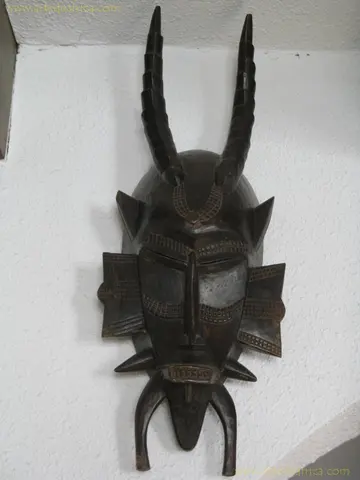
Not in all regions call Kpelié These masks, some of them.
MFAZ-39
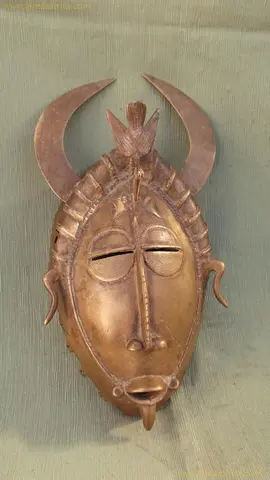
Kpelié mask with a cove pecking over the head.
BR-11
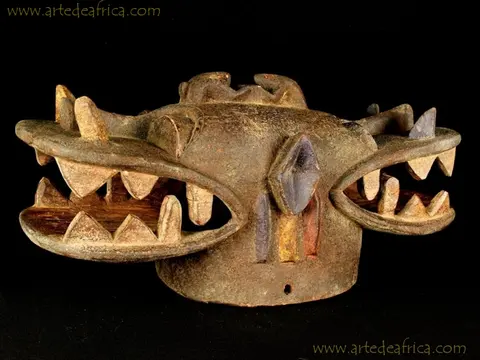
I.- Wabelé masks : They comprise five types of masks. 1.- The Kponiugo or Waniugo group.
MFG-42
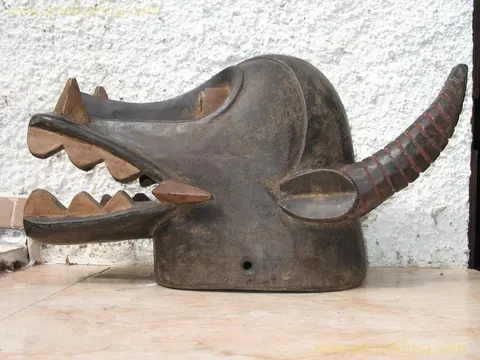
A mask belonging to the Kponiugo or waniugo group, which is itself one of the five types of Wabelé masks.
MCYC-27
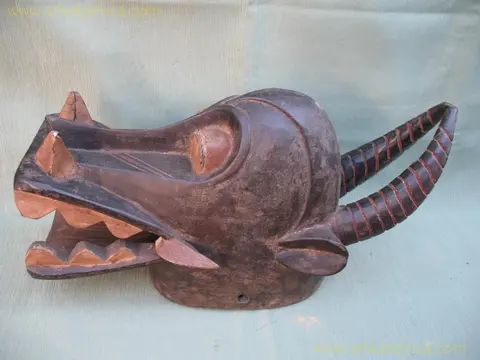
It belongs to the group of masks Wabelé. It is a buffalo mask.
MFG-45
An editorial reading of the collection; complete documents remain in the object records.
Browse records for this culture · Senufo


