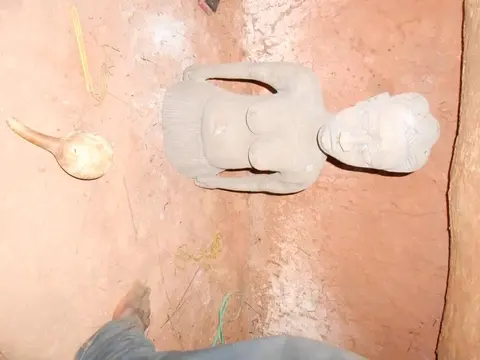
Altar, Female Bust
Bust of woman from the island of Nalu.
MSOAL-17

Text of the original catalogue
The village of Bidjogo is part of the big Baga family. Fisherman's village, most of its masks have a relationship with the sea, shark, sawfish or hammerfish, often associating two animals such as the stripe and the sawfish. The representation of the cow or phofalus is very frequent. Many of its masks are frontal or helmet-shaped. They participate in the initiation ceremonies of the different age classes and the dancer who carries them imitates the movements of the animal represented in the mask. . The sea exerts a great influence on this ethnic group as indicated by its masks of sawfish and shark. They have masks on their heads, like those representing cows or bulls. The movements of the dancer reproduce those of the animal embodied by the mask.The shark mask is a front mask that is used during the ceremonies of passage between two classes of age. The Bidjogo for centuries they resisted Portuguese colonization and are implanted in the Bisagos Islands off the coast of Guinea-Bissau. This archipelago comprises many small islands and this dispersion has allowed them to maintain their customs by rejecting the various pressures they have suffered to submit to Islam. Many of the ritual objects of the Bidjogo they are carved by the families who sculpt their own masks and statues. It is a hierarchical society in which they have varying degrees of initiation. Political power comes from ancestors being the leader of the community who is the link with the world of ancestors and the one in charge of relating to the spirits, the orebuko. They believe in a supreme god, Nindo, creator of man, Obide, and woman, Okanto, who are the primordial ancestors. In order for the soul to rest in peace after separating from the body, a statue must be carved to serve as a receptacle. Bidjogo youth receive initiation or Manratche which will allow them access to adult society. It is a hierarchical initiation based on age classes, in which they learn to honor nature and to know wildlife. They wear bull masks for the first time and dance by imitating their movements. In initiation they celebrate the, memory of ancestors. The Bidjogo for centuries they resisted Portuguese colonization and are implanted in the Bisagos Islands off the coast of Guinea-Bissau. This archipelago comprises many small islands and this dispersion has allowed them to maintain their customs by rejecting the various pressures they have suffered to submit to Islam. Many of the ritual objects of the Bidjogo they are carved by the families who sculpt their own masks and statues. It is a hierarchical society in which they have varying degrees of initiation. Political power comes from ancestors being the leader of the community who is the link with the world of ancestors and the one in charge of relating to the spirits, the orebuko. They believe in a supreme god, Nindo, creator of man, Obide, and woman, Okanto, who are the primordial ancestors. In order for the soul to rest in peace after separating from the body, a statue must be carved to serve as a receptacle. Bidjogo youth receive initiation or Manratche which will allow them access to adult society. It is a hierarchical initiation based on age classes, in which they learn to honor nature and to know wildlife. They wear bull masks for the first time and dance by imitating their movements. In initiation they celebrate the, memory of ancestors. The village of Bidjogo is part of the big Baga family. Fisherman's village, most of its masks have a relationship with the sea, shark, sawfish or hammerfish, often associating two animals such as the stripe and the sawfish. The representation of the cow or phofalus is very frequent. Many of its masks are frontal or helmet-shaped. They participate in the initiation ceremonies of the different age classes and the dancer who carries them imitates the movements of the animal represented in the mask. The sea exerts a great influence on this ethnic group as indicated by its masks of sawfish and shark. They have masks on their heads, like those representing cows or bulls. The movements of the dancer reproduce those of the animal embodied by the mask. The shark mask is a front mask that is worn during passage ceremonies between two age classes. For the Bidjogos, more than for many other peoples of Africa, the drum is the most direct means of communicating with the spirits. The sound of the kumbonki, groove drum, is for them the voice of the ancestors. The sound of the drum is a perfectly coded language that is only known to the initiates. The drum participates in all those festivities or occasions on which the presence of spirits or ancestors is necessary, in the male rites of initiation, in the true funeral rites initiation of the deceased to prepare their access to the afterlife, and even rites in which the spirits are questioned to find out the causes of a certain death. It is the voice through which it manifests itself in ancestor. The relationship of the initiates with the ancestors is very strong as is the presence and authority of the ancestors in the daily life of the village. And, kumbonki is the bond of union between the two worlds. The marine masks of the Bidjogos and the terrestrial animals are well known and the most numerous are the bovid masks. The Bovids were introduced by the Portuguese at the end of the century XV in Guinea Bissao, so the relationship of these animals with the Bidjogo They have four types of bovid masks: The GNOPARA female mask representing the sacred cow is the symbol of fertility and corresponds to the first and second class of age, kañoka and kalo; the male mask DUGN’BE representing the domestic ox and wearing a triangle, apparently a sacred symbol, on the top of the forehead corresponds to the third class of age, Kabidu. One of the most well-known masks is the ESSENIÉ bull mask which in vernacular means “brute cow”, represents a wild bull and is used mainly in Formosa and Uno, and finally the IARE canoe mask which is a large bovid mask that is placed on the bow of the canoes and which also carries the triangle on the forehead, corresponds to the young people who are going to enter the last and fourth phase of the initiation, usuka. All of these masks wear genuine bovid horns, most of them have glass eyes and the tongue, red, pointing upwards. Large ringed neck into which the head of the carrier is inserted. Some bull or ox masks wear a thick rope through the holes in the nose. These masks are used mainly during the male initiation or Manratche in which the young Bidjogo receive the teachings that will allow them access to adult society. It is a hierarchical initiation based on age classes, in which they learn to honor nature and to know wildlife. Each mask corresponds to an age class and indicates the different phases of initiation. For the first time the group of cabaro wears the masks of bull and dance, on four legs, imitating the aggressive movements of the animal and scratching the ground with the horns. They are heavy masks and their carriers are vigorous young people because this group understands young people who have already passed adolescence and who remain in the group for ten years. In initiation they celebrate the, memory of ancestors. Masks are also manifested in important festivities such as agricultural or commemorative festivals and are currently featured on visits by important characters. White mask, with several highlights in black, mainly the nose. It has apparent teeth and lower lip and red tongue. The eyes are made of green glass. The lower central window is designed to facilitate the vision of its carrier.
71 objects · page 2 of 3
Bust of woman from the island of Nalu.
MSOAL-17
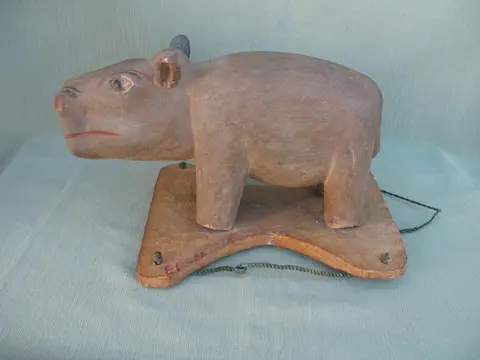
Back mask representing a hippopotamus. These masks like most bidjgo objects are very difficult to get.
-32
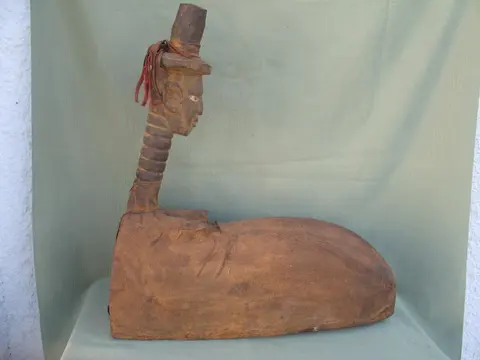
For Bidjogo everything sacred or anything that can enclose a mysterious energy is called .
MSOAL-18
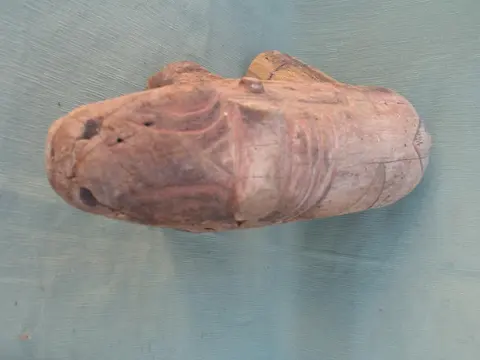
The facial masks are undoubtedly the most used by all African ethnic groups, there are also numerous helmet and helmet masks, less…
-33
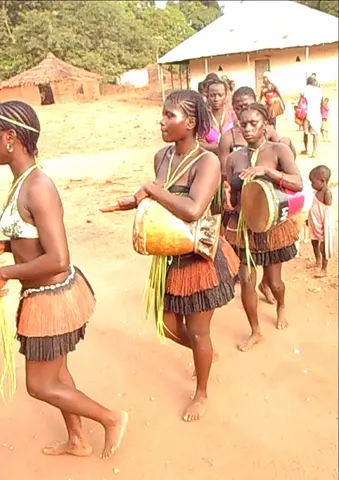
For the Bidjogos, more than for many other peoples of Africa, the drum is the most direct means of communicating with the…
MEMB-4
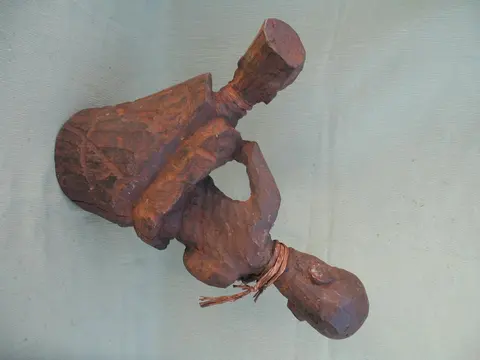
For Bidjogo everything sacred or anything that can enclose a mysterious energy is called .
MSOAL-19
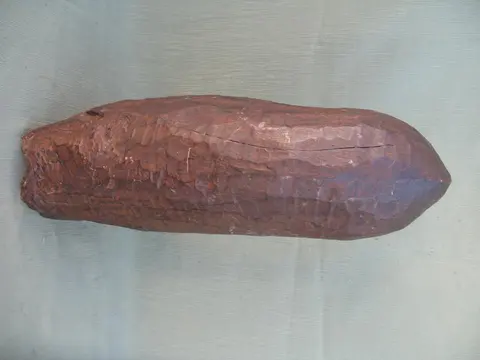
For Bidjogo everything sacred or everything that can enclose a mysterious energy is named after Iran.
MSOAL-20
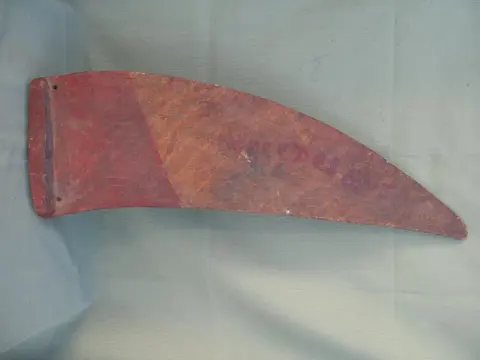
The facial masks are undoubtedly the most used by all African ethnic groups, there are also numerous helmet and helmet masks, less…
-35
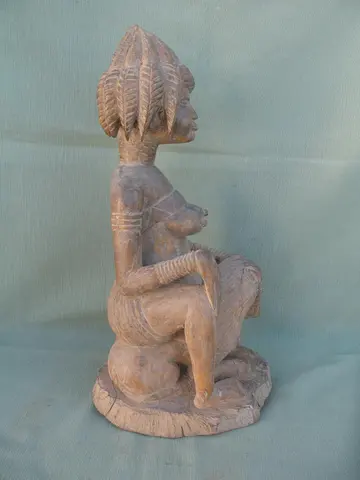
Altar represented by a high-ranking woman as indicated by her elaborate hairstyle, bracelets and dress, sitting on a lion, which is also…
MSOAL-21
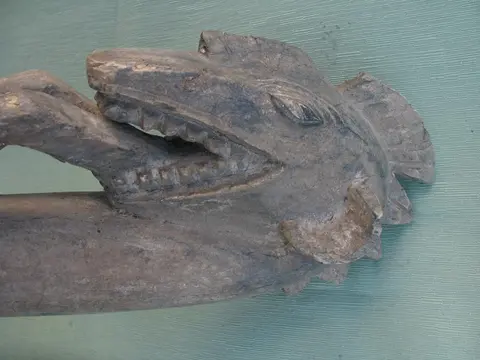
Family altar representing a dragon devouring a man. The man is holding on to a pole that is the dragon's body.
MSOAL-22
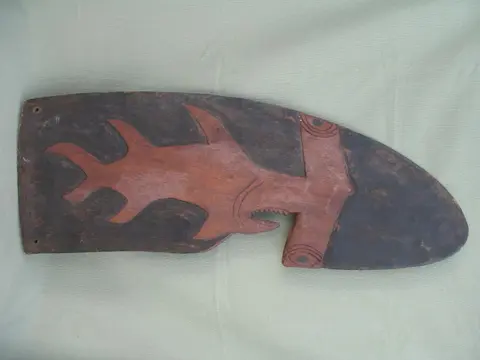
The facial masks are undoubtedly the most used by all African ethnic groups, there are also numerous helmet and helmet masks, less…
-36
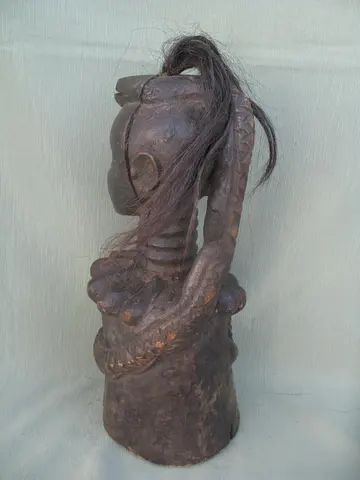
Holy figure or Iran that serves as a family altar and represents a soothsayer, priestess Okinka in charge of the sacrifices.
MSOAL-23
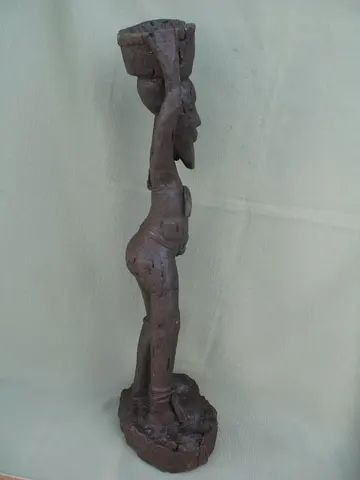
Curious figure of fetish or fetish maker, androgynous in appearance.
EMS-121
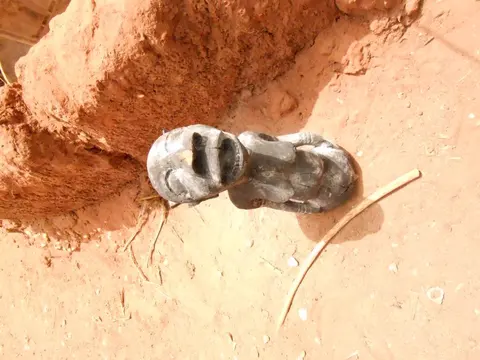
Curious piece depicting an ancestor.
EFM-134
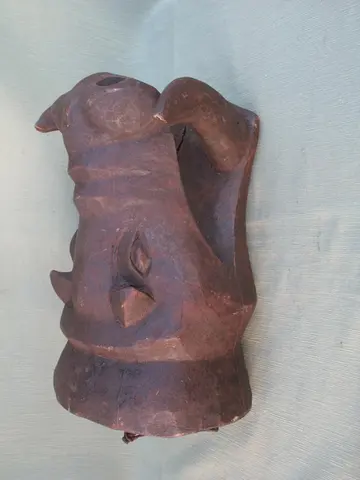
For Bidjogo everything sacred is called “iran”, whether it be an altar, a statue or a seat, and they are respected and…
MSOAL-24
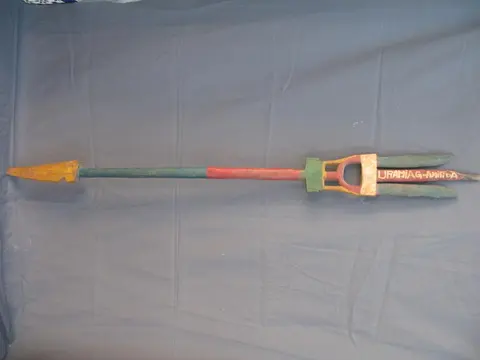
Baton used by young neophytes in the processions of male initiation.
VAR-33
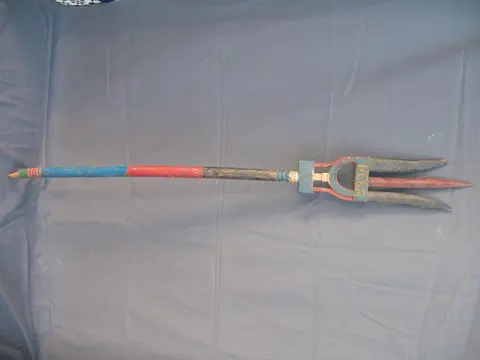
Baton used by young neophytes in the processions of male initiation.
BST-44
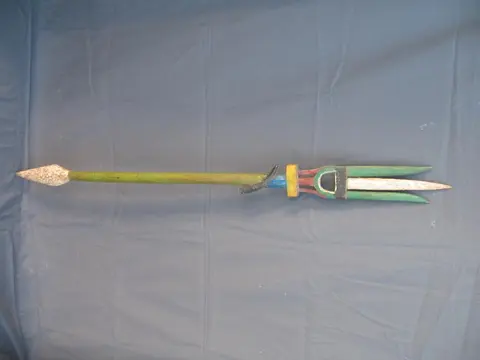
Baton used by young neophytes in the processions of male initiation.
BST-45
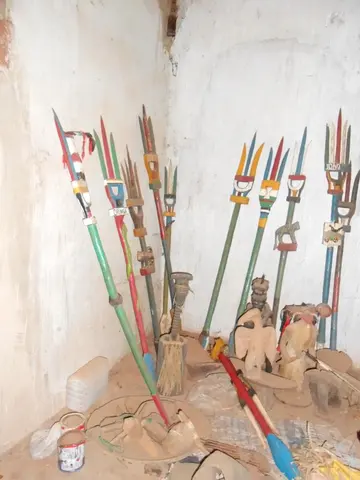
Baton used by young neophytes in the processions of male initiation.
BST-47
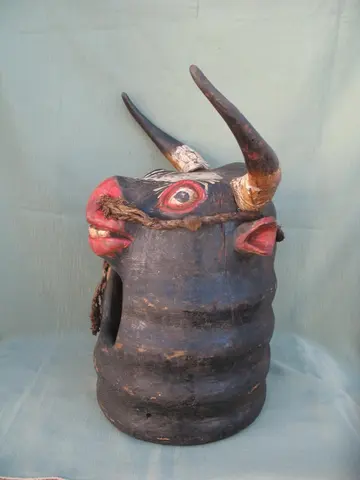
Bidjogo marine masks are very well known. Among land-animal masks, the best known and most numerous are bovid masks.
MFZ-57
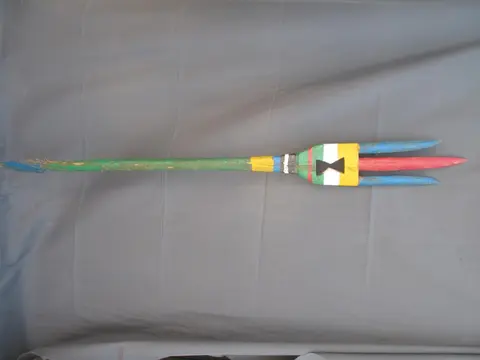
Baton used by young neophytes in the processions of male initiation.
BST-48
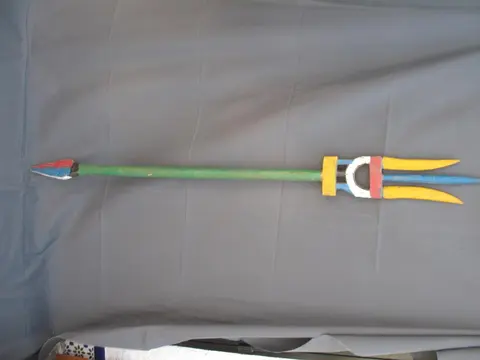
Baton used by young neophytes in the processions of male initiation.
BST-49
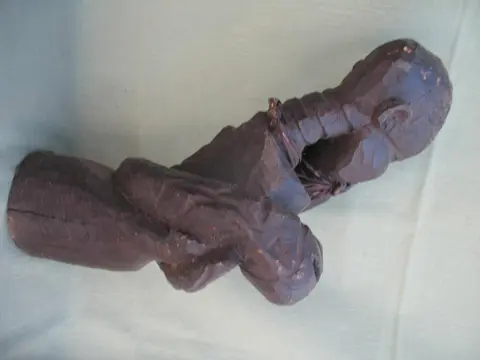
The snake and especially the python has a great symbolism in most African ethnicities and plays an important role in many of…
MSOAL-25
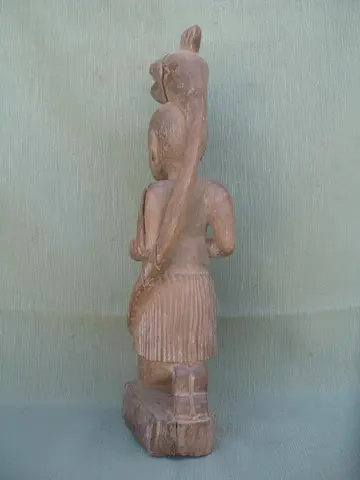
The snake and especially the python has a great symbolism in most African ethnicities and plays an important role in many of…
MSOAL-26


