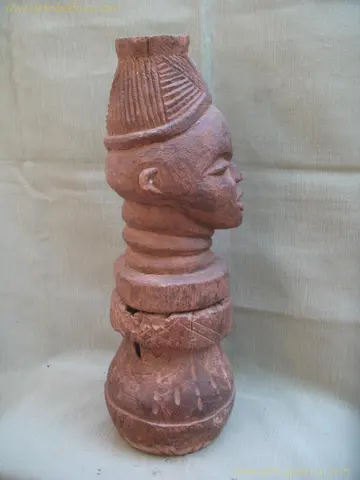
Reliquary
Kuyu reliquary with a restrained-looking head as lid, unlike the usual polychrome heads representing Ebongo, who reveals himself to young…
RLC-69

2,936 objects · page 71 of 123
Kuyu reliquary with a restrained-looking head as lid, unlike the usual polychrome heads representing Ebongo, who reveals himself to young…
RLC-69
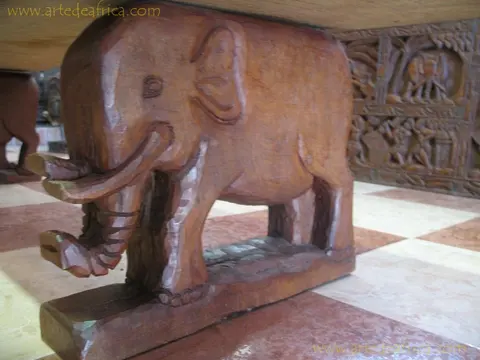
African kings have always been fascinated by sumptuousness as a symbol of their power.
ARC-2
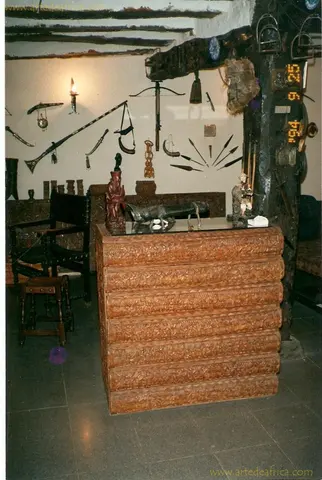
African kings have always been fascinated by sumptuousness as a symbol of their power.
ARC-3
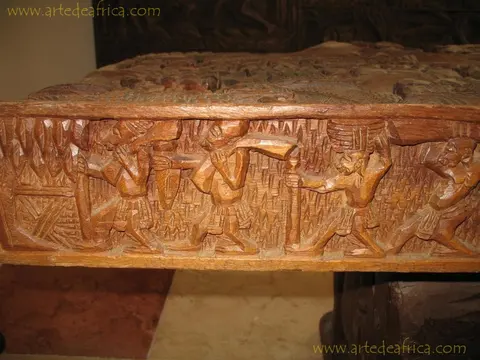
African kings have always been fascinated by sumptuousness as a symbol of their power.
ARC-4
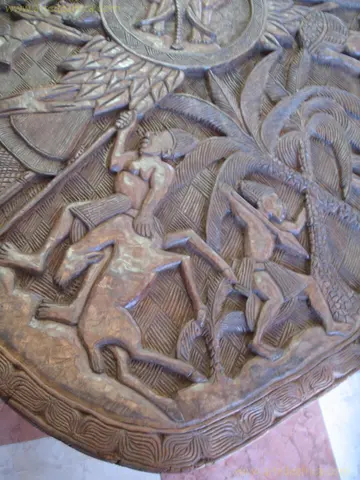
African kings have always been fascinated by sumptuousness as a symbol of their power.
ARC-5
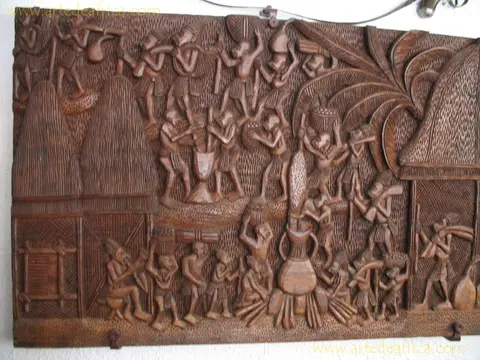
African kings have always been fascinated by sumptuousness as a symbol of their power.
ARC-6
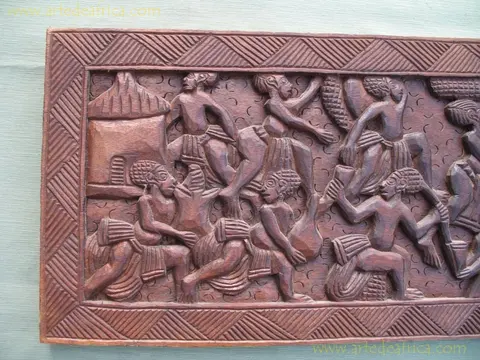
African kings have always been fascinated by sumptuousness as a symbol of their power.
ARC-7
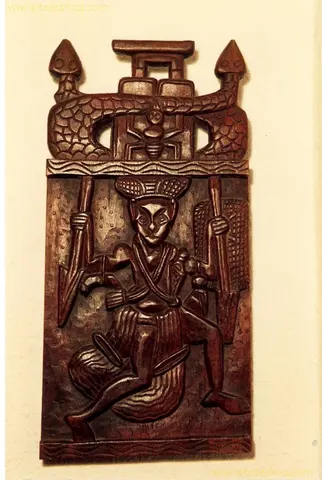
African kings have always been fascinated by sumptuousness as a symbol of their power.
ARC-8
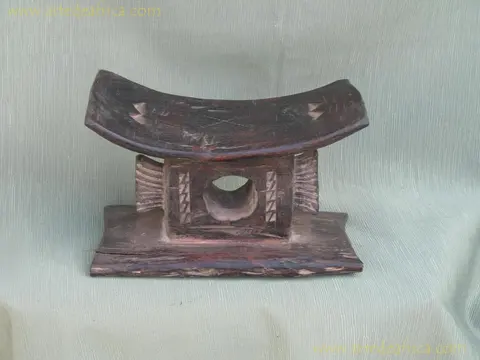
Headrests or neckrests have been known since ancient Egypt. Their use is found to varying degrees across almost all of Africa.
RECL-10
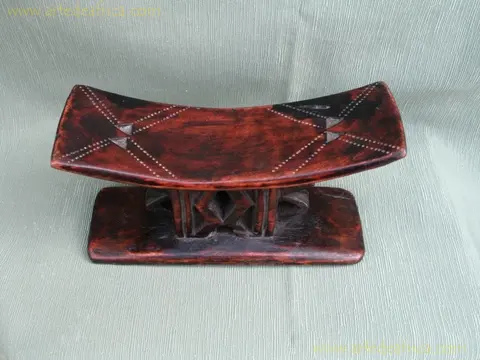
Headrests or neckrests have been known since ancient Egypt. Their use is found to varying degrees across almost all of Africa.
RECL-11
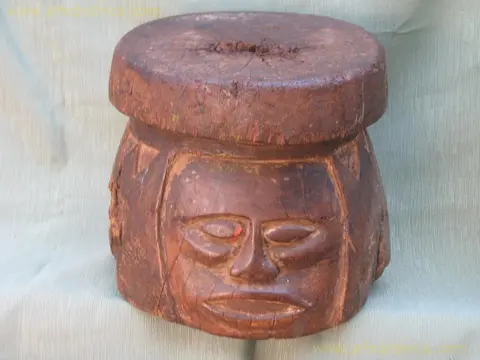
Three terms which, in large part of the African peoples, are used interchangeably.
TAB-6
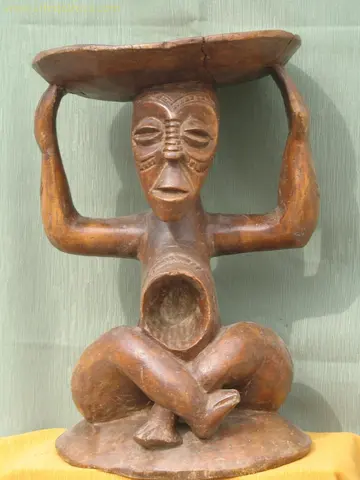
Three terms which, in large part of the African peoples, are used interchangeably.
TAB-7
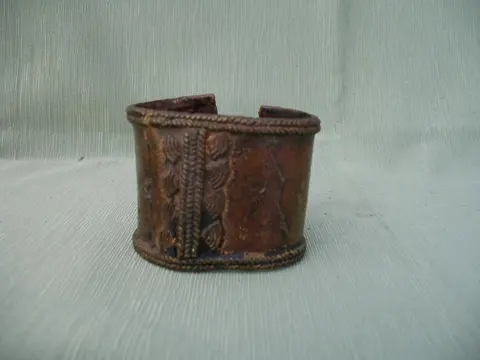
Very old bracelet from Ife. The generic name IFE applied to certain pieces denotes place, not ethnicity.
PYB-33
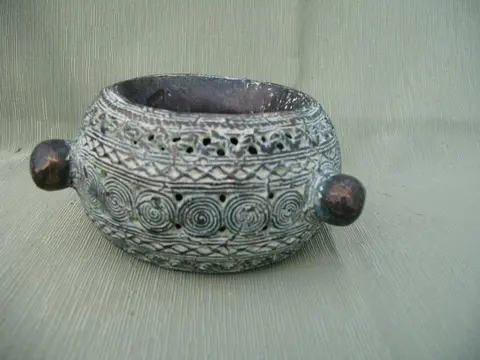
Closed bracelet used as women’s ornament and barter currency.
PYB-34
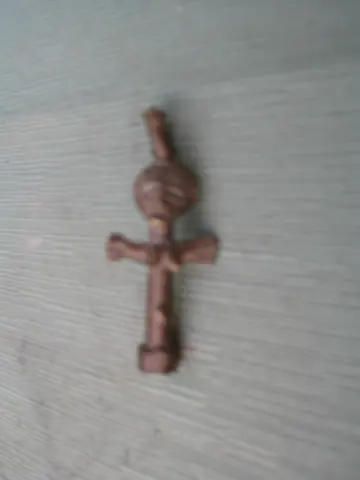
Small pendant in the shape of an akwaba doll. It is worn by women and girls as a gris-gris or protective amulet.
CYA-17
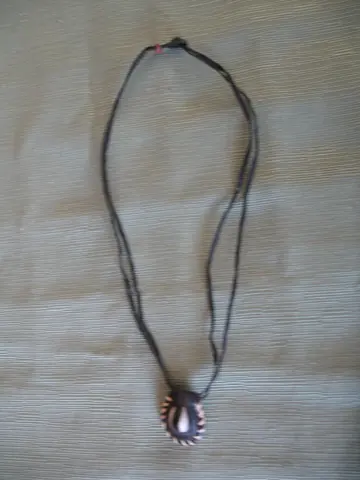
Simple necklace worn by Wolof girls and women to promote fertility.
COLL-4
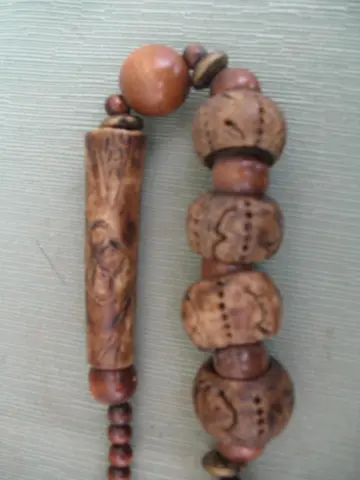
Necklace of small and large hardwood beads, the larger ones alternating with large circular bone beads and two long cylindrical beads.
COLL-5
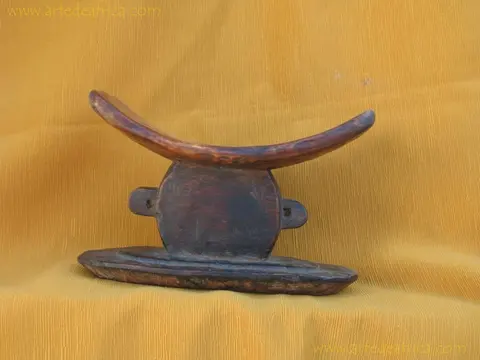
Headrests or neckrests have been known since ancient Egypt. Their use is found to varying degrees across almost all of Africa.
RECL-12
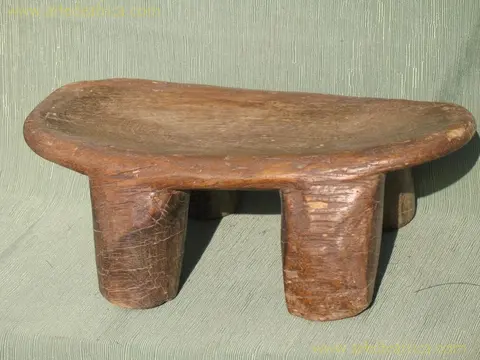
Three terms which, in large part of the African peoples, are used interchangeably.
TAB-9
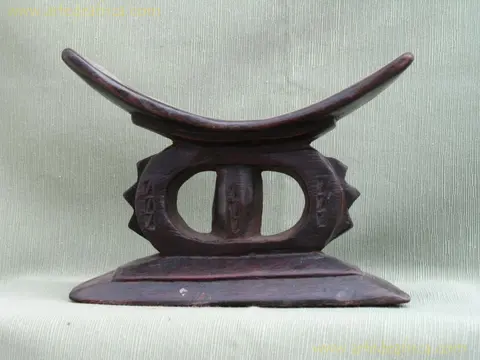
Headrests or neckrests have been known since ancient Egypt. Their use is found to varying degrees across almost all of Africa.
RECL-13
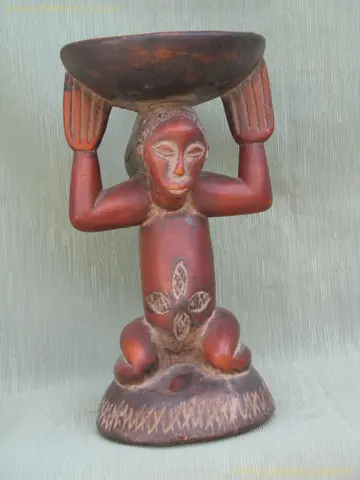
Three terms which, in large part of the African peoples, are used interchangeably.
TAB-10
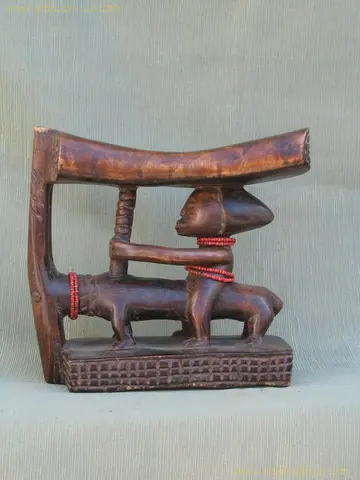
Luba stools comprise one or two caryatids.
RECL-14
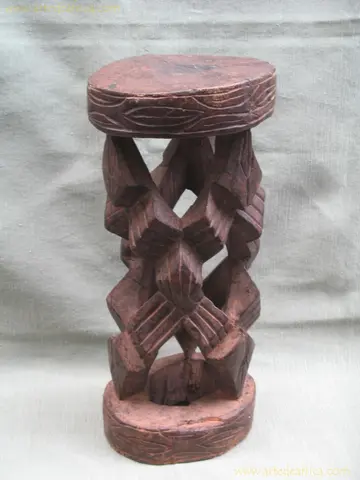
Three terms which, in large part of the African peoples, are used interchangeably.
TAB-11
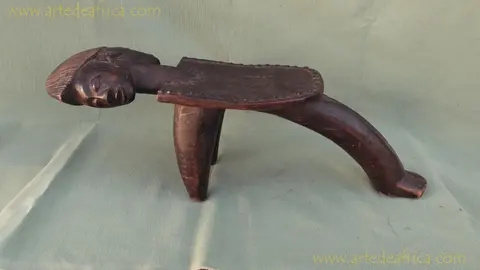
An object from the Gaona region, known as either a wedding or courtship stool because of its symbolic use during marriage celebrations.
TAB-12


