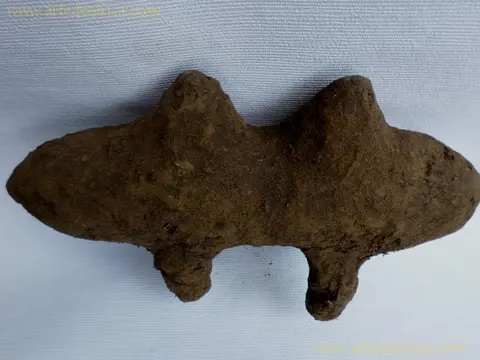
Boli
Boli is formed on a base of wood, bamboo or piece of horn covered by an amalgam active materials and vegetable substances…
FET-61

Text of the original catalogue
The first magical figures brought from Africa by the Portuguese were called “fetishes”, a word derived from “feitço” meaning “fiction, false, artificial”. This term has ended up being imposed and applied to all those pieces that are the object of worship or to which they are attributed a magical power, granted, apparently, by plant, animal or mineral substances introduced into oquities of the figure and mainly in the womb, source and seat of the life force and by the enchantments performed by the soothsayer, priest or sorcerer. The fetish is originally an object of fictitious powers. Its use, both of the term and of the object, has conferred upon it a wide range of powers ranging from simple amulet or talisman to exclusively divine powers. The fetish has no strength by itself, it is only the material support that man has fixed in it by rites and substances. The fetish embodies a mixture of magic, superstition and religiosity. Many populations native to West Africa call it juju. The variety of fetishes in Africa is great, as many ethnic groups are. Normally represented by anthropomorphic figures and, although less numerous, zoomorphs. Some of these figures, of a terrifying appearance, are crossed by nails, knives or pieces of iron and others, adorned with horns, shells, skins, amulets release a halo of mystery. These figures are used to obtain personal protection from the family and peoples, to remove evil spirits from the village, to attract rain, to remove diseases, to achieve healing or as a therapeutic remedy, among many other purposes. It is not necessary to confuse fetishes with statues representing ancestors, geniuses of nature or who are objects of worship or employed in healings and divinatory practices. Only those figures destined for black magic, sorcery or evil are true fetishes. And even less to confuse fetishism with animism.
76 objects · page 3 of 4
Boli is formed on a base of wood, bamboo or piece of horn covered by an amalgam active materials and vegetable substances…
FET-61
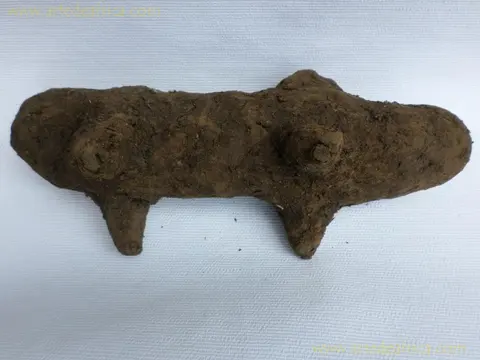
Boli is formed on a base of wood, bamboo or piece of horn covered by an amalgam active materials and vegetable substances…
FET-62
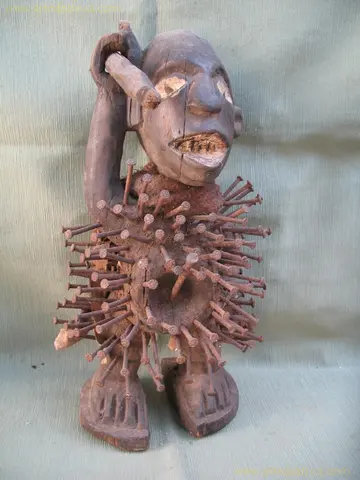
Nkissi or rather Minkissi, which is its plural, is a word "kongo" to indicate this type of magic statuettes that carry in…
1
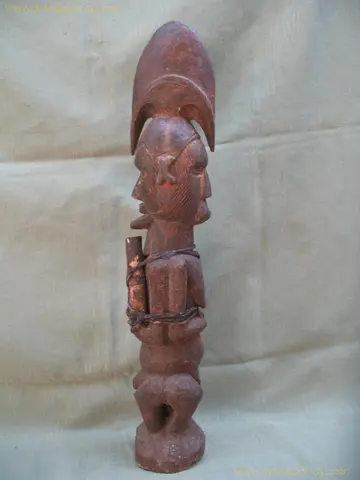
The statues loaded in the central hole are called “Butti”. The composition of each load depends on the function of the statue.
FET-63
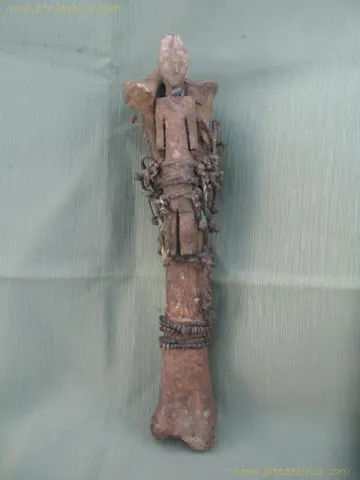
Fetish used by Fon of Benin. He is the former Dahomey, famous in Africa for the effectiveness of his sorcerers.
FET-64
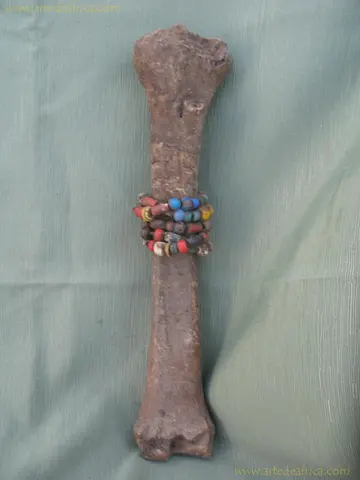
Fetish used in voodoo practices by Fon Benin: Benin should not be confused with Benin (Benin City) the city of Nigeria.
FET-65
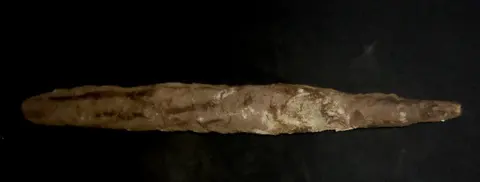
Boli is formed on a base of wood, bamboo or piece of horn covered by an amalgam active materials and vegetable substances…
FET-67
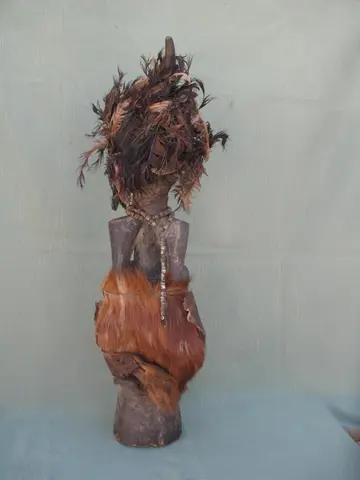
Large fetish widely spread in male and female versions throughout large areas of the former Zaire, now Democratic Republic of the Congo,…
FET-68
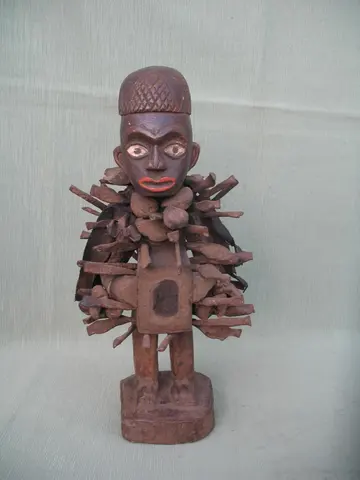
Nkissi or rather Minkissi, which is its plural, is a word "kongo" to indicate this type of magic statuettes that carry in…
FET-69
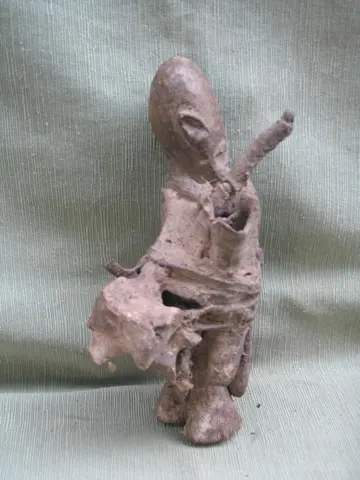
Fetish loaded with numerous objects ee magical ingredients. A thick crust amalgamates the whole set, produced by sacrifices and libations.
FET-70
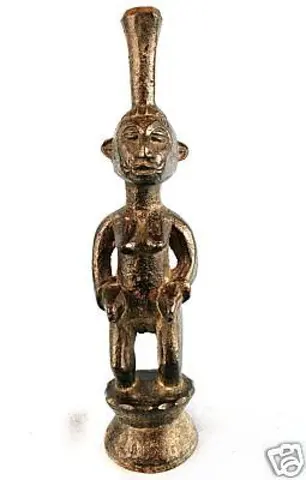
In the rites dedicated to the cult of the ancestors and in the funeral honors of the members of the Pore participate…
-22
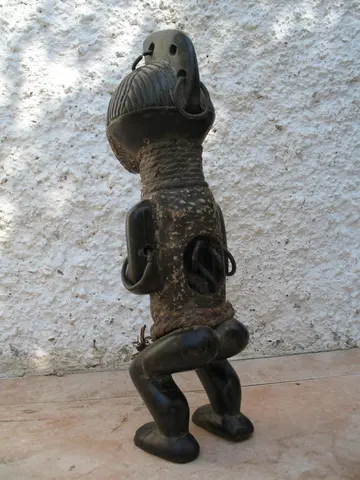
These fetishes are made using as a model the reliquaries of the ethnic group to which they copy in their great lines.
FET-71
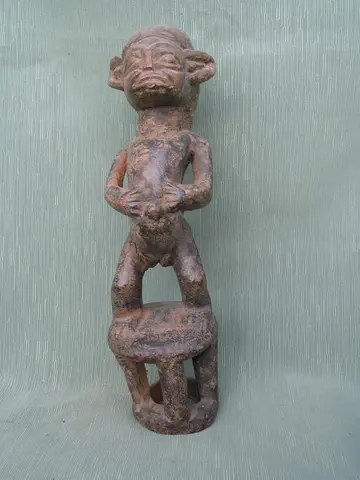
Curious and rare protective figure TikarCurious for its expression, a woman with a large belly and an androgynous appearance raised to a…
-26
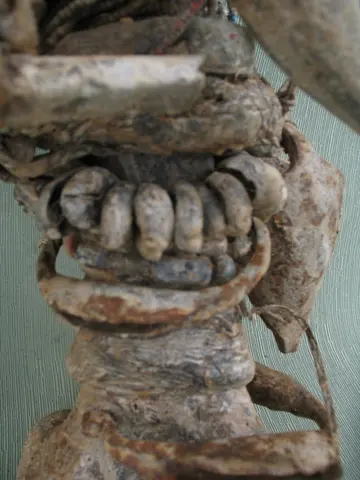
Benin, or former Dahomey, is renowned throughout West Africa for the effectiveness of its sorcerers, sorcerers, healers and fetishes.
FET-73
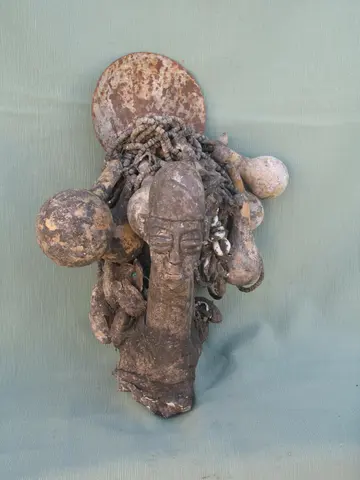
Fetish intended for sorcery practices, similar to those used for voodoo, for example by Fon of Benin.
FET-74
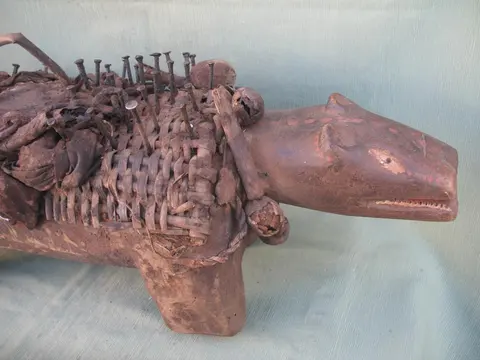
KOSSO: It's the nkissi kondi in the form of a dog covered with nails or sheets of iron.
FET-75
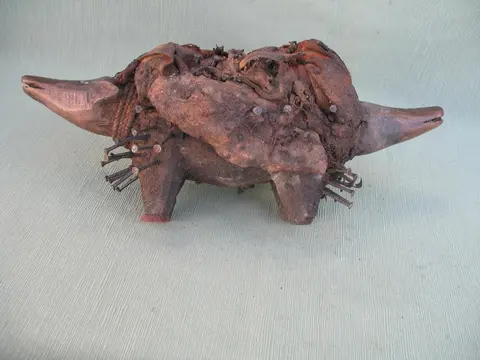
KOSSO: It's the nkissi kondi in the form of a dog covered with nails or sheets of iron.
FET-76
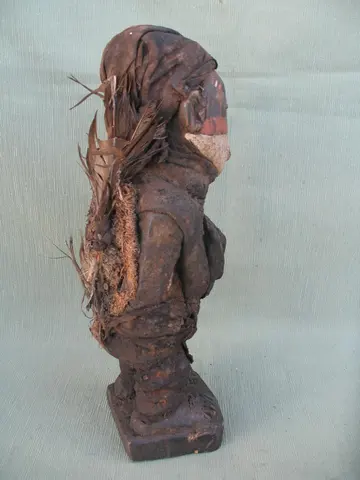
The statues Nkissi of the Kongolike all the Nkissi, are protective figures that acquire their strength and power after being charged by…
FET-77
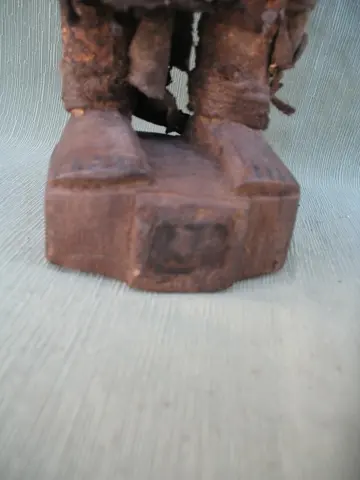
The statues Minkissi ( sing.: Nkissi) of the Kongolike all the Nkissi, are protective figures that acquire their strength and power after…
FET-78
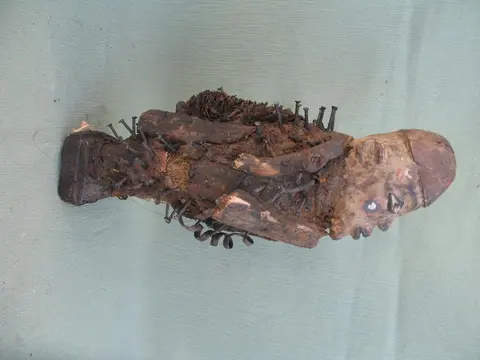
Nkissi or rather Minkissi, which is its plural, is a word "kongo" to indicate this type of magic statuettes that carry in…
FET-79
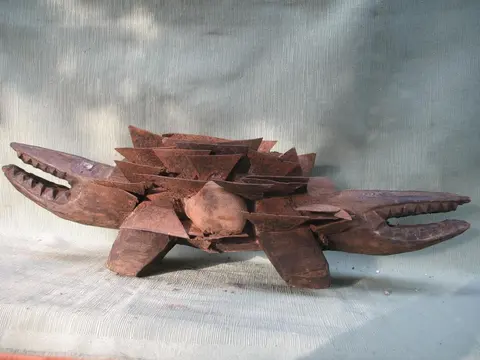
KOSSO: It's the nkissi kondi in the form of a dog covered with nails or sheets of iron.
FET-80
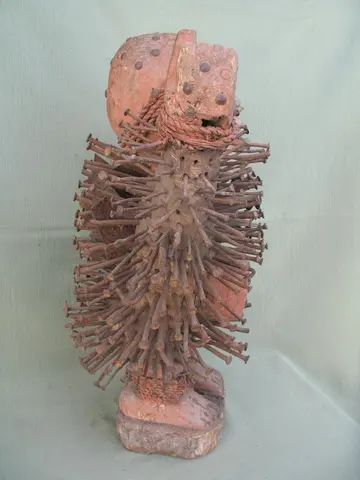
The statues Minkissi ( sing.: Nkissi) of the Kongolike all the Nkissi, are protective figures that acquire their strength and power after…
FET-81
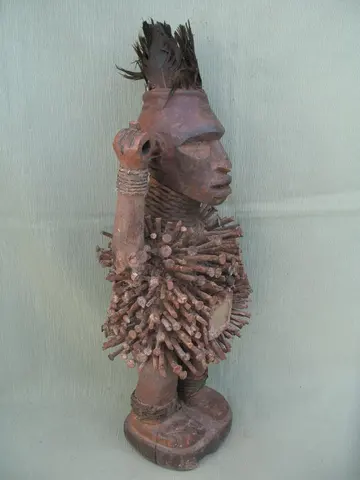
The statues Minkissi ( sing.: Nkissi) of the Kongolike all the Nkissi, are protective figures that acquire their strength and power after…
FET-82
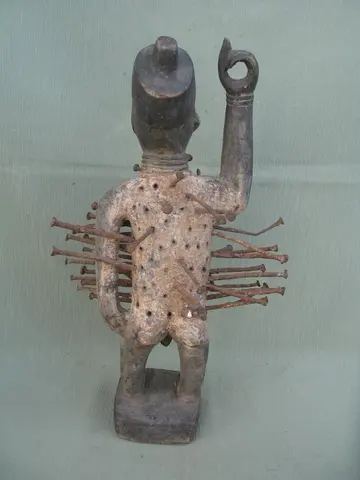
Nkissi or rather Minkissi, which is its plural, is a word "kongo" to indicate this type of magic statuettes that carry in…
FET-83


