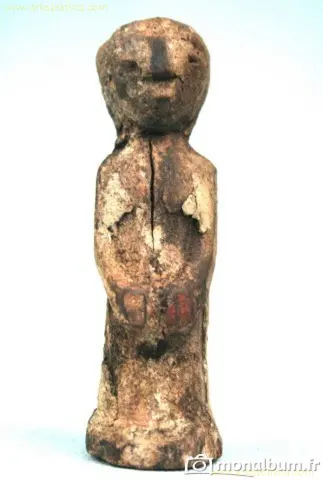
Votive Figure
The statues, offerings, votive figures and exvotes are not in Africa an offering dedicated to God or to the gods for a…
FIV-1

List of the historical catalogue
Text and organisation of the original catalogue · Jesús Arrimadas Saavedra
The statues, offerings, votive figures and exvotes are not in Africa an offering dedicated to God or to the gods for a benefit received or the supplication through which they are asked for a grace. The votive figure is usually a statuette, mainly of wood and rarely bronze, which does not exceed twenty-five centimeters. They are small figures, male or female, usually carved with quite coarseness, sometimes by the owners themselves, who are the object of family cults. These protective figures of the family are the object of worship in the family altars. They receive offerings and libations and offerings in exchange for some favor, family protection, a cure, a good harvest, hunting or fishing, protection from a danger and very often the fertility of the fields and of the woman is demanded. They are kept in the altars and family sanctuaries. They represent some ancestor. It is not the exvote or offering dedicated to a higher being, it is that being superior to that which is made an offering, usually an illustrious ancestor, a deity or some being in relation to the cosmogony of the ethnic group. On the contrary, the bronze figurines that appear in the areas of Bandiagará in Dogon territory and in some other places in Africa are not votive figures in the African sense but true votives.
63 objects · page 1 of 3
The statues, offerings, votive figures and exvotes are not in Africa an offering dedicated to God or to the gods for a…
FIV-1
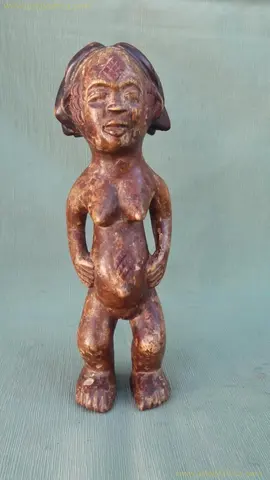
Statue of an initiate, naked woman who can represent an ancestor.
FIV-2
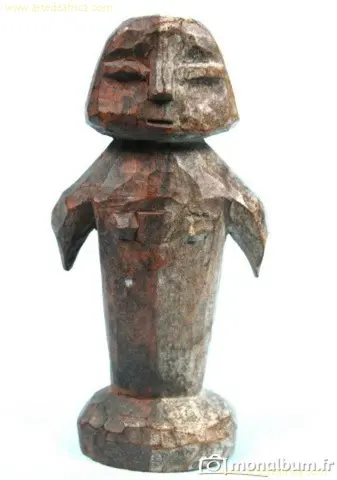
The statues, offerings, votive figures and exvotes are not in Africa an offering dedicated to God or to the gods for a…
FIV-3
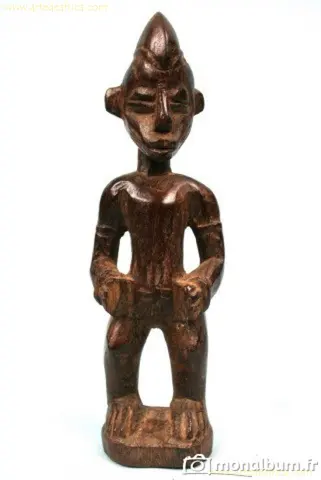
Former votive statuette from an antiquarian from Korhogo.
FIV-4
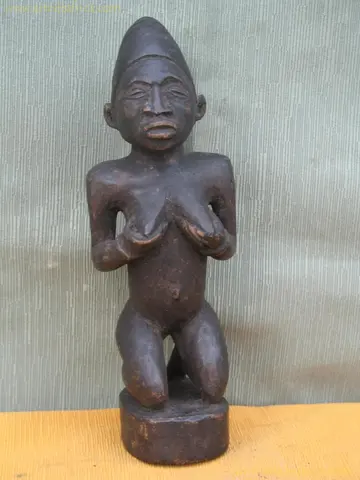
Female statue kneeling and holding her breasts in a gesture of offering or a plea for protection for a future motherhood.
EFM-5
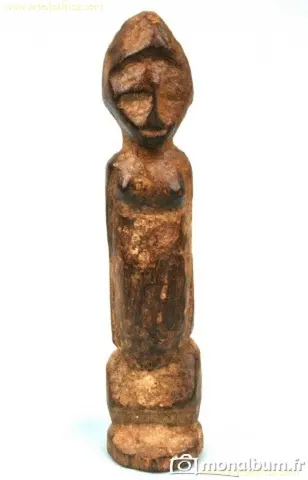
The statues, offerings, votive figures and exvotes are not in Africa an offering dedicated to God or to the gods for a…
FIV-5
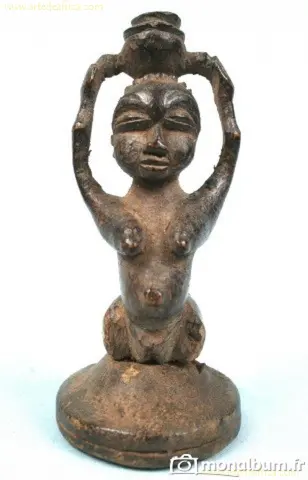
The statues, offerings, votive figures and exvotes are not in Africa an offering dedicated to God or to the gods for a…
FIV-6
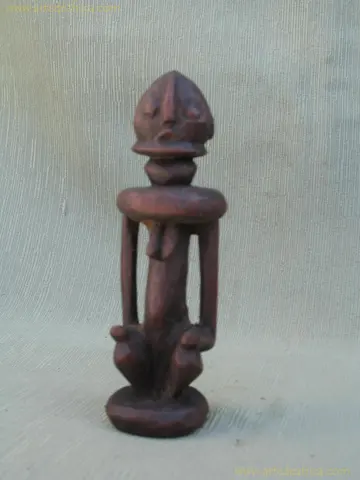
Small female statue of ancestor used in family cults.
EFM-7
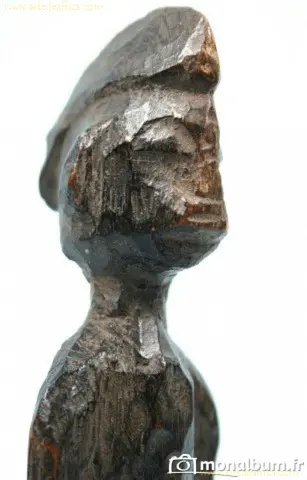
The statues, offerings, votive figures and exvotes are not in Africa an offering dedicated to God or to the gods for a…
FIV-7
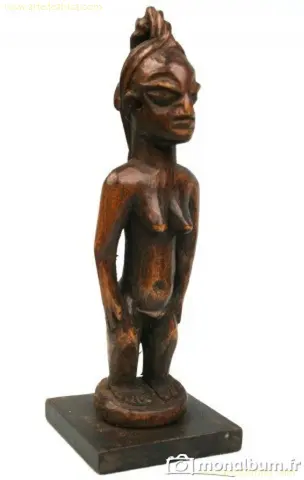
The statues, offerings, votive figures and exvotes are not in Africa an offering dedicated to God or to the gods for a…
FIV-8
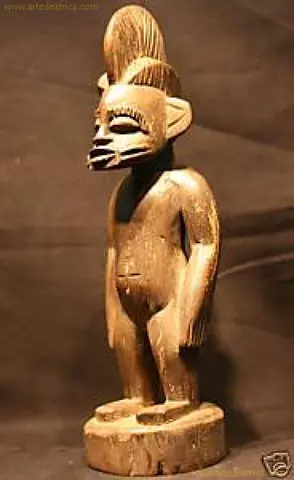
An ancestor's votive statue, commonly known as "bandeguelé senufo".
EMS-9
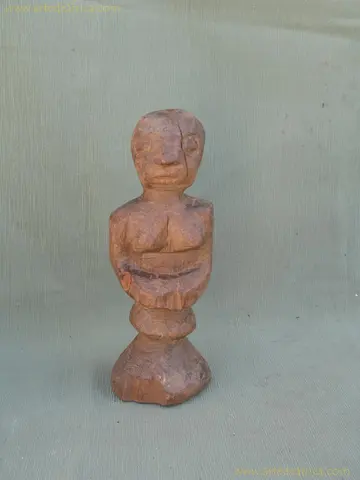
The statues, offerings, votive figures and exvotes are not in Africa an offering dedicated to God or to the gods for a…
FIV-9
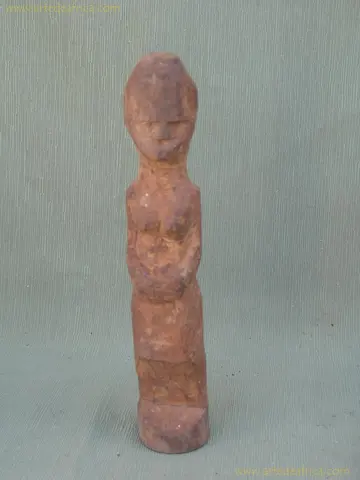
The statues, offerings, votive figures and exvotes are not in Africa an offering dedicated to God or to the gods for a…
FIV-10
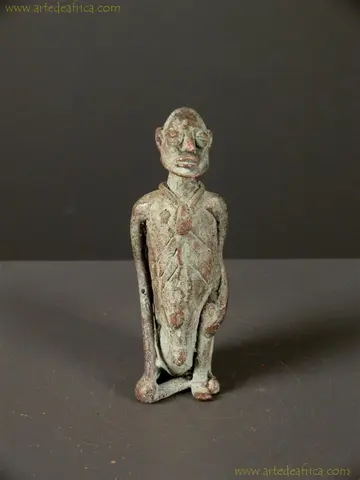
An exvote is an offering in gratitude for the favors obtained from a higher being.
FIV-11
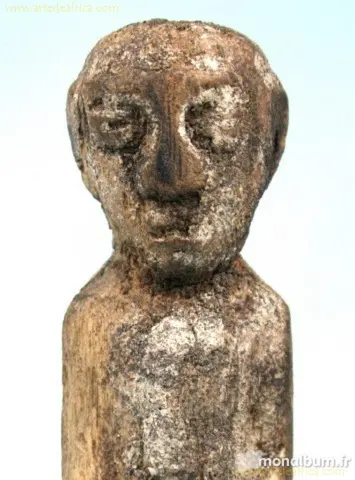
The statues, offerings, votive figures and exvotes are not in Africa an offering dedicated to God or to the gods for a…
FIV-12
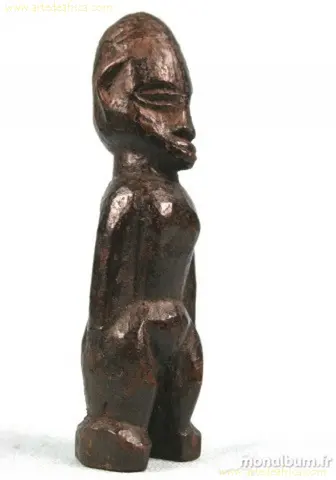
The statues, offerings, votive figures and exvotes are not in Africa an offering dedicated to God or to the gods for a…
FIV-13
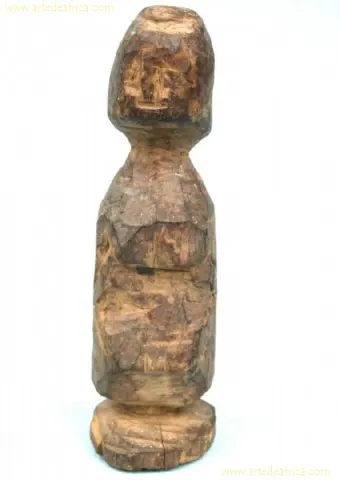
The statues, offerings, votive figures and exvotes are not in Africa an offering dedicated to God or to the gods for a…
FIV-14
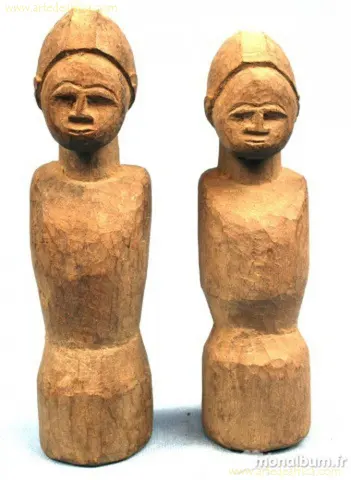
Very simple votive couple. These statuettes dedicated to family worship were normally made by a family member.
FIV-15
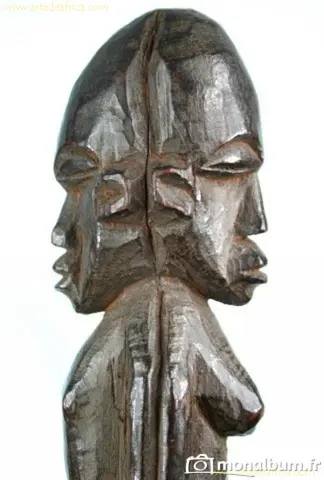
The statues, offerings, votive figures and exvotes are not in Africa an offering dedicated to God or to the gods for a…
FIV-16
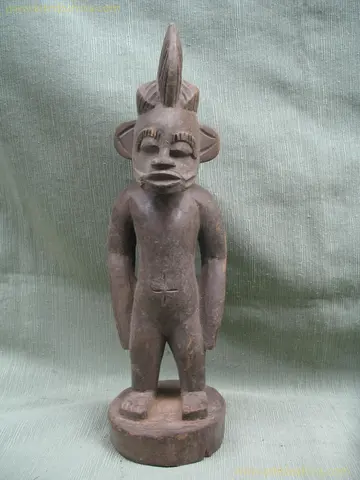
Commemorative statue intended for family worship. The arms fall along the body until they reach the knees.
EMS-17
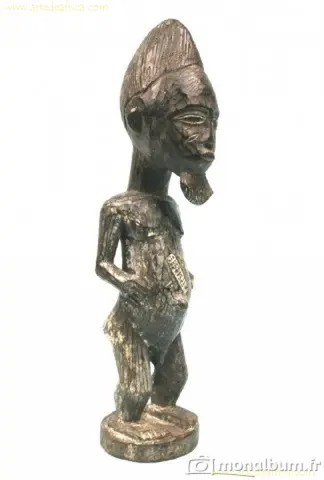
The statues, offerings, votive figures and exvotes are not in Africa an offering dedicated to God or to the gods for a…
FIV-17
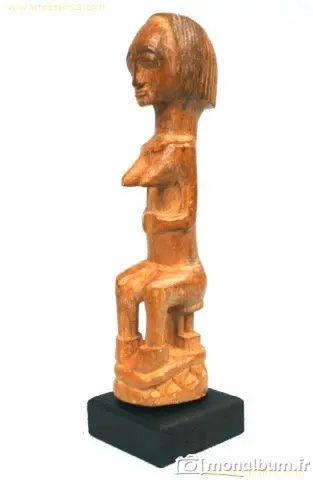
The statues, offerings, votive figures and exvotes are not in Africa an offering dedicated to God or to the gods for a…
FIV-18
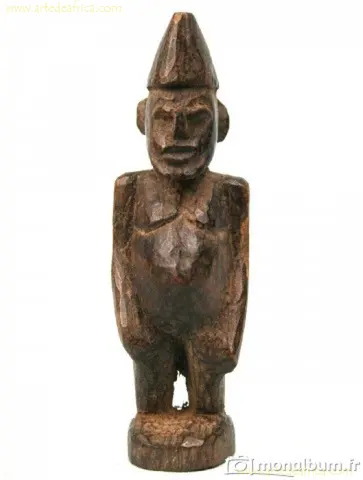
The statues, offerings, votive figures and exvotes are not in Africa an offering dedicated to God or to the gods for a…
FIV-20
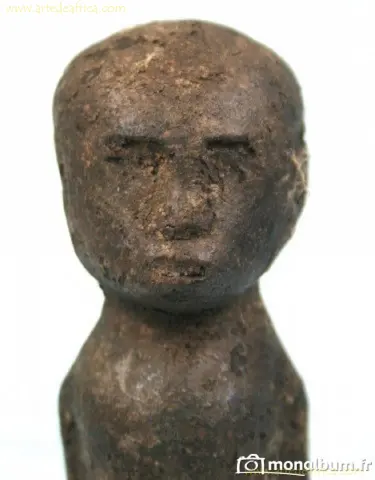
The statues, offerings, votive figures and exvotes are not in Africa an offering dedicated to God or to the gods for a…
FIV-21


