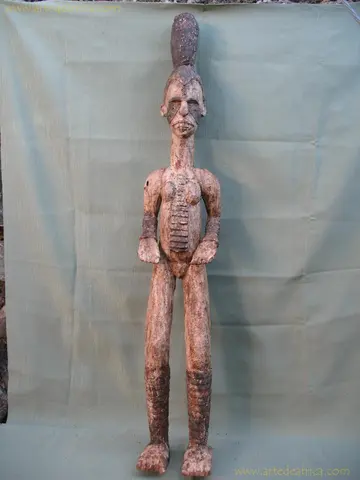
Alusi Femenino
An important figure in culture Igbo are the “Alusi” or geniuses of nature, responsible for disease and death, and charged with punishing…
EFM-77

List of the historical catalogue
Text and organisation of the original catalogue · Jesús Arrimadas Saavedra
Almost all African animistic religions are monotheistic, believing in a Creator and Omnipotent God who, given his immensity and greatness, is far removed from men. Man so small and so imperfect cannot address himself directly to such a superior Being, for in these traditional African civilizations a inferior being will always address a superior being, whether head of village or king, through an intermediary. But since man continually needs intercession and God’s help he will address a whole series of intermediaries, the closest being the ancestor. The ancestor, in most cases, will be the mediator with the intermediate powers. The range of these spiritual beings is very wide. God has created a universe that participates and receives the graces of His divinity. Without falling into pantheism, African animists grant a soul to all beings of creation. Thus the rivers that allow the fishing and irrigation of the fields in the service of men, the animals of the forest that seek their nourishment, the trees and plants that are living beings, for they grow and develop and so many other elements of nature that participate in a force emanating from the divinity. These beings inhabited by this force are called geniuses or deities of nature or intermediate gods. There are also deities from very different backgrounds, a totemic or mythological animal that saved the clan’s founding hero, a civilizing hero, and even a king who over time has become divinity. Gods of the sun of fire, thunder or goddesses of the moon or waters abound in African pantheons. The man will turn to them for mediation. But some of these deities can become capricious and if man wants to obtain his favors he must make offerings or make sacrifices and libations. Many of these divinities and geniuses of nature are represented in statues and masks but the Creator God is never represented in African art nor receives worship directly.
84 objects · page 2 of 4
An important figure in culture Igbo are the “Alusi” or geniuses of nature, responsible for disease and death, and charged with punishing…
EFM-77
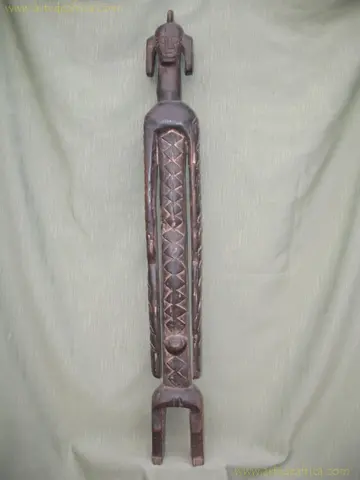
Mumuye blacksmiths sculpt longline, heavy-wood statues of women, called iagalagana they are kept in huts owned by families and entrusted to one…
EFM-83
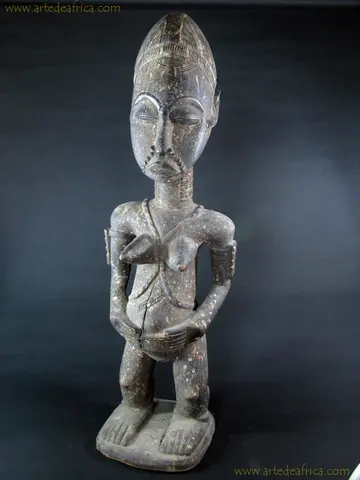
Statue of Asie Usu or genius of nature embodied in the form of a pregnant woman.
MTR-13
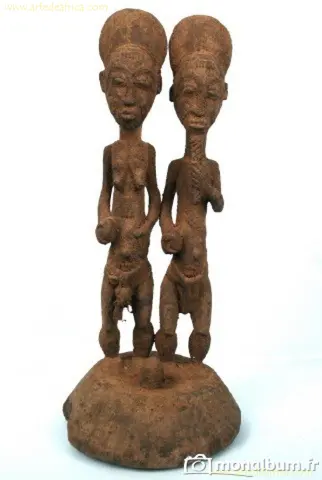
It is the geniuses or spirits of nature that can intervene in the world of humans by granting them their favors or…
PAR-15
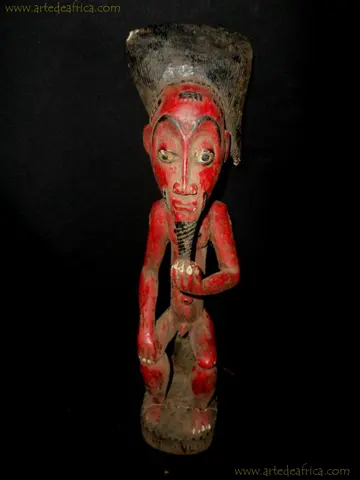
It is the geniuses or spirits of nature that can intervene in the world of humans by granting them their favors or…
EMS-86
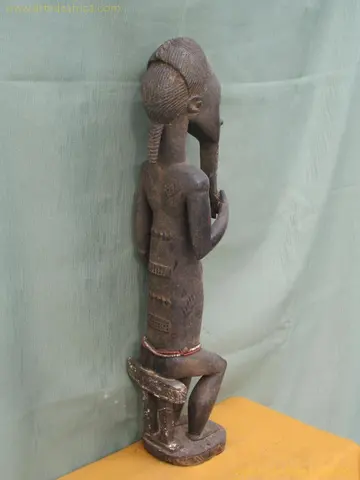
It is the geniuses or spirits of nature that can intervene in the world of humans by granting them their favors or…
EMS-87
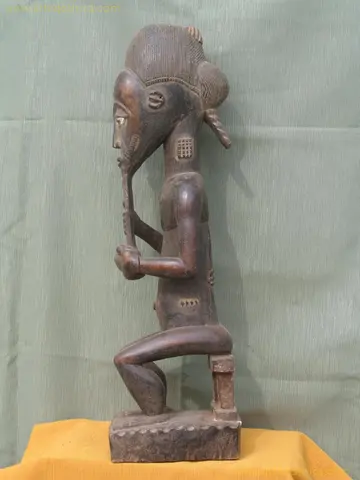
It is the geniuses or spirits of nature that can intervene in the world of humans by granting them their favors or…
EMS-88
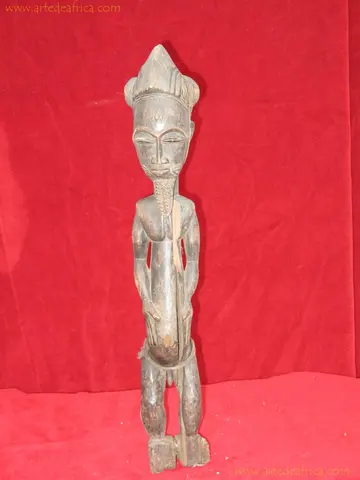
It is the geniuses or spirits of nature that can intervene in the world of humans by granting them their favors or…
EMS-90
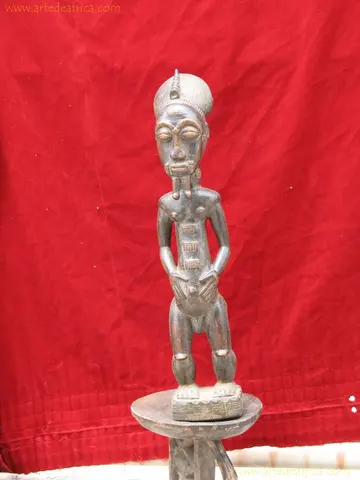
It is the geniuses or spirits of nature that can intervene in the world of humans by granting them their favors or…
EMS-91
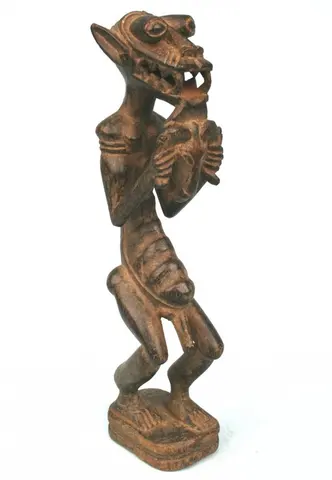
These are the names with which the so-called “monkey beggar” is known.
FSB-2
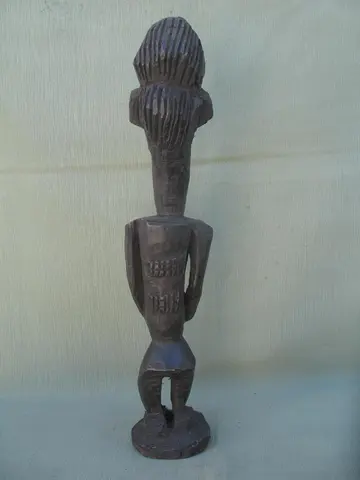
Figure of rough performance used in rites intended to prepare children for their access to adult life, a period of formation that…
EMS-108
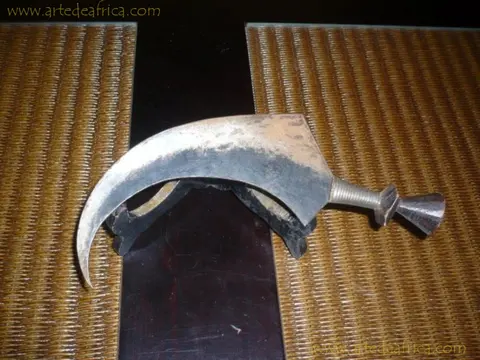
A knife called circumcision, which is also used for the excision suffered by young men and women at the end of the…
ARM-1
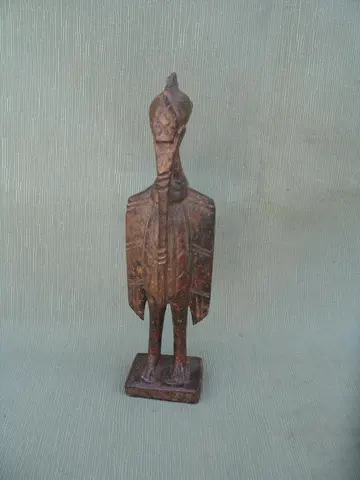
It is the primordial bird of the Senufo, protector par excellence and sacred bird of the society of the pore.
-17
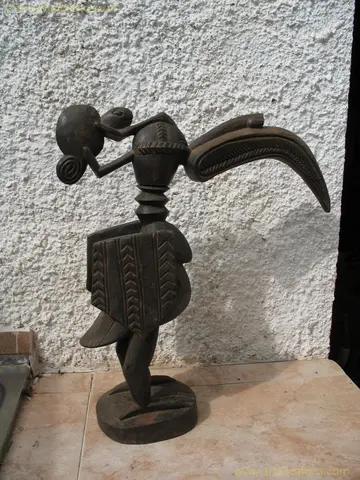
Neck that allows to orient the head of the calao in different directions.
FET-22
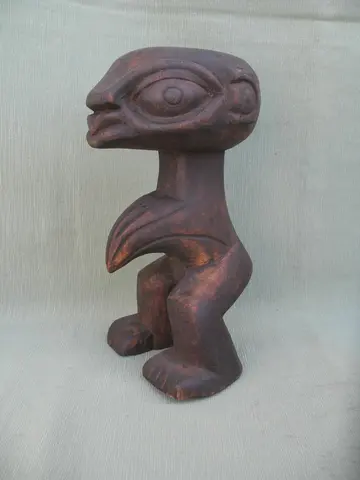
Small female protective figure of the family.
-18
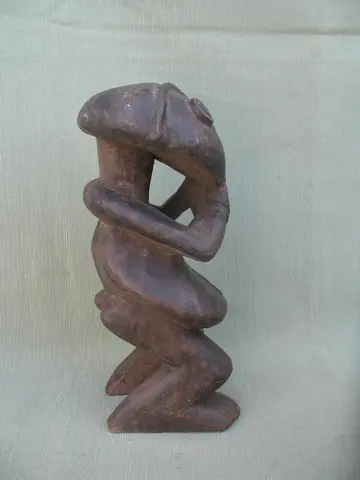
These statues have different sizes. They are recognizable by their heart-shaped face and disproportionate head.
-19
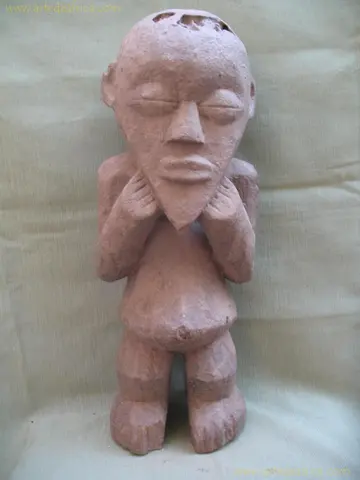
Old statue with whitish due to an indigenous conservation treatment.
EMS-4
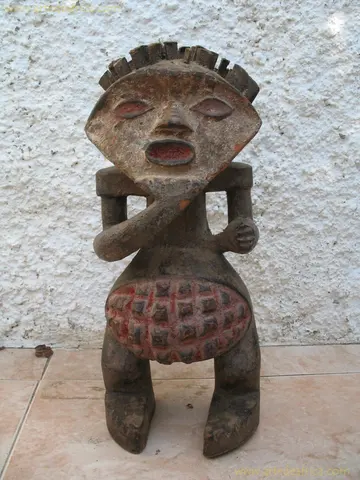
Polychrome statuette, red eyes, mouth and belly.
EMS-3
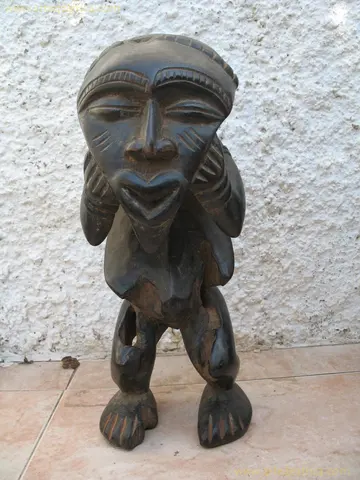
Statue from the Cameroonian border with Nigeria.
EMS-2
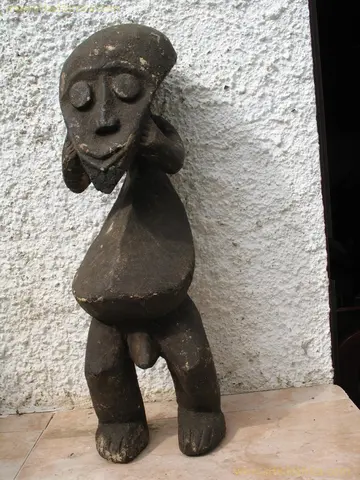
Former statue with costrosa patina formed by libations and sacrificial offerings.
EMS-1
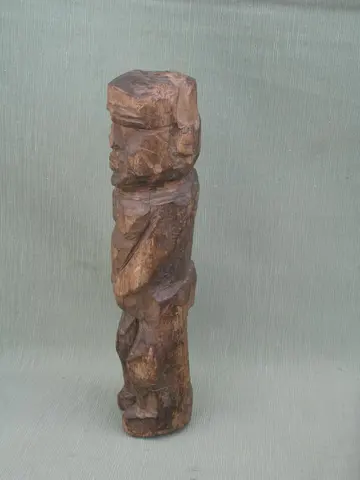
The Lobi occupy part of northern Ivory Coast, north of the fauna reserve of Buna and south of Burkina Faso.
EFM-116
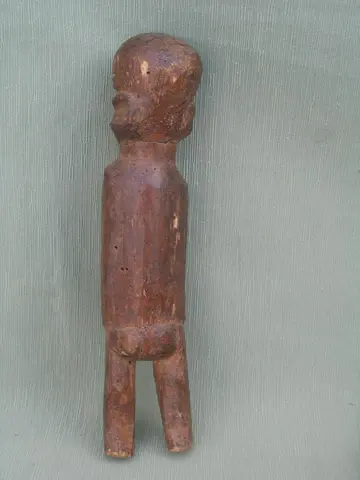
The Lobi occupy part of northern Ivory Coast, north of the fauna reserve of Buna and south of Burkina Faso.
EFM-115
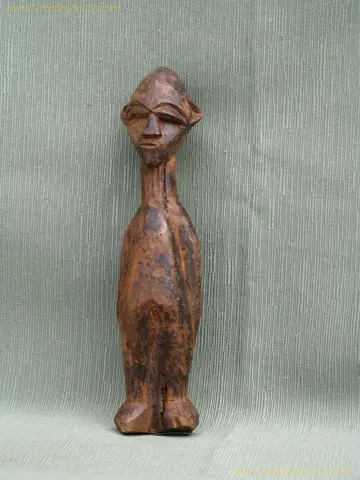
The Lobi occupy part of northern Ivory Coast, north of the fauna reserve of Buna and south of Burkina Faso.
EMS-104
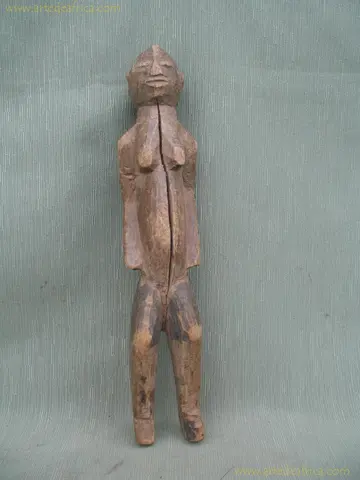
The Bateba statues of the Lobi represent the thils evil geniuses to whom it is convenient to make offerings and sacrifices to…
EFM-84


