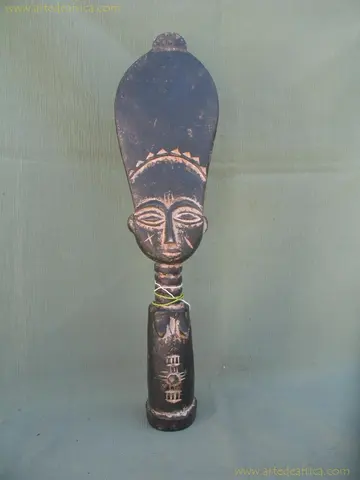
Akwa Ba Fertility Doll
“AKWA BA” means “welcome” in most ethnic groups of the group Akan.
FRT-27

List of the historical catalogue
Text and organisation of the original catalogue · Jesús Arrimadas Saavedra
It is one of the major issues and one of the key concerns of African cultures, whether it is female fertility or land fertility. The fruit of the mother’s womb and the fruit of mother earth have also been a constant in the Old Testament and will be a constant in the generations to come. Daniel 7,12b-13: “… the Lord, your God will keep the covenant with you and will be faithful to the oath he swore to your ancestors. He will love you, bless you, multiply you. He will bless the fruit of your bowels and the fruit of your soil. your wheat, your wine, your oil, the young of your cattle and your sheep, in the land which he will give you as promised to your ancestors.” Dt 28,4: “Blessed is the fruit of thy bowels, the fruit of thy ground, the birth of thy herds, and the breeding of thy sheep.” These Bible words seem to reflect African traditions. The fertility of the woman is often associated with fertility in the fields. Rites, ceremonies, and masquerades are common for both cases. Many African peoples live off the land and only a fertile land can guarantee their subsistence. For this reason, there are numerous rituals and ceremonies with mask dances that are especially dedicated to them at the time of sowing and in that of harvests. And like the statuettes dedicated to promoting the fertility of women, numerous are also the masks carved and consecrated so that, by means of prayers and proper rites, the well-known agrarian rites, the powers of the hereafter are favorable granting the fertility of the lands. – The barren woman is a disgrace in the family and clan. It’s the biggest shame that can weigh on a woman. And his greatest tragedy, because he has no offspring, can never be elevated to the status of ancestor, his spirit will remain wandering and will not have the right to the funeral gifts of those who have left offspring. In many ethnicities, Nandji, Fanti, Ashanti, Mossiamong others, women have to make dolls that once consecrated will promote fertility and preserve health during pregnancy and childbirth. Since girls they will train to be mothers with these dolls. An important part of the African statuery revolves around motherhood and women as well as an important part of the masks, especially zoomorphs honor the fertility of the earth.
59 objects · page 2 of 3
“AKWA BA” means “welcome” in most ethnic groups of the group Akan.
FRT-27
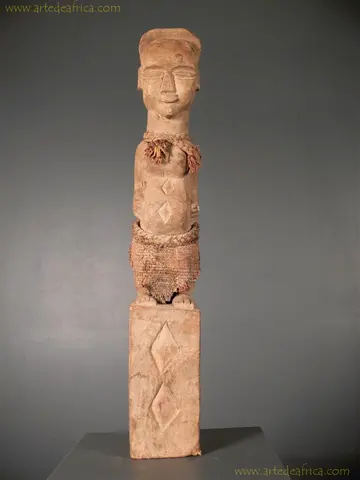
Fertility, whether from fields or from people, is one of the central themes of traditional African societies.
FRT-28
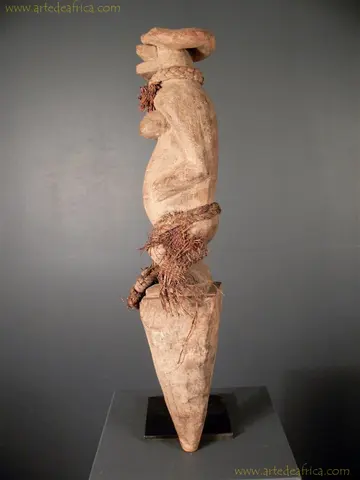
Fertility, whether from fields or from people, is one of the central themes of traditional African societies.
FRT-29
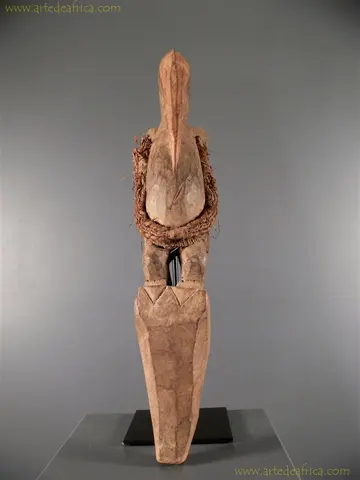
Fertility, whether from fields or from people, is one of the central themes of traditional African societies.
FRT-30
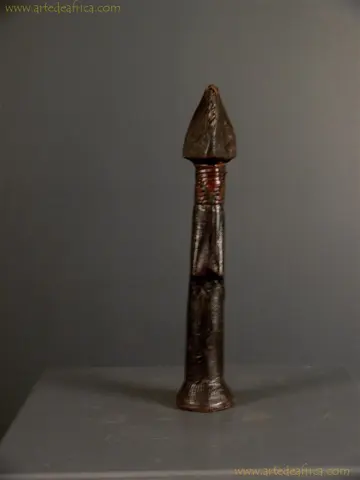
The so-called Biiga dolls are manufactured by the Mossi Bulsa region.
FRT-31
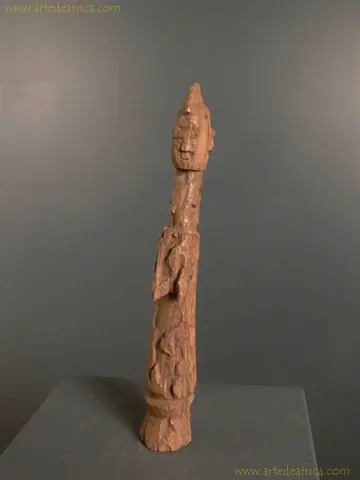
The so-called Biiga dolls are manufactured by the Mossi Bulsa region.
FRT-32
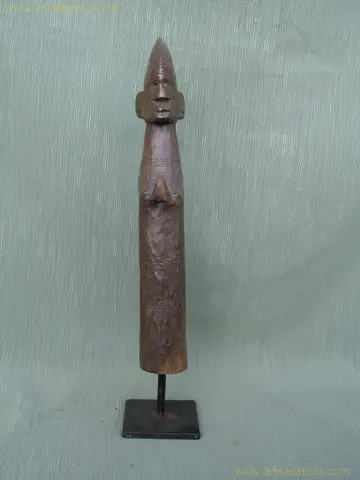
The so-called Biiga dolls are manufactured by the Mossi Bulsa region.
FRT-33
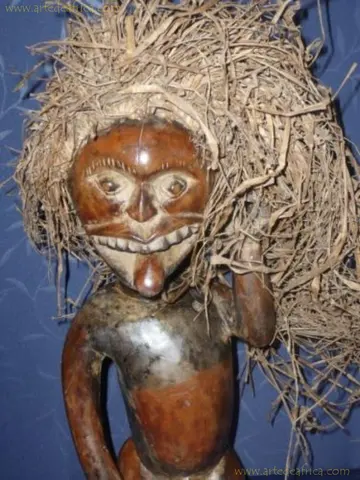
Figure used in rites intended for procreation and stimulation of male fertiliser power.
FRT-34
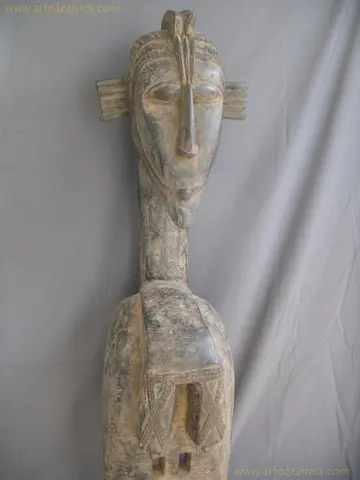
It's the best known mask of the Baga. Also called D’Mba, in vernacular.
MFG-58
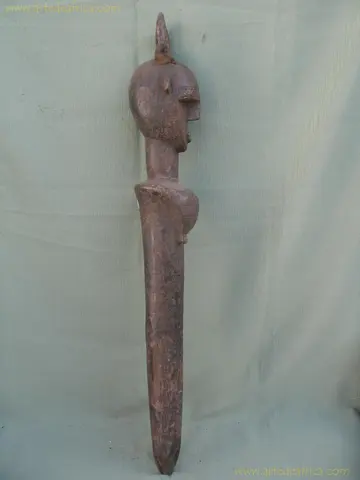
It is one of the major issues and one of the key concerns of African cultures, whether it is female fertility or…
FRT-35

Ancient mask that has resisted badly the passage of time and the attack of the xylophages.
MFANT-26
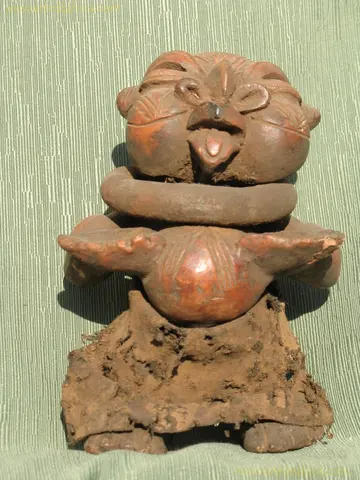
Fetish intended to help the woman during childbirth. The rear orifice serves to deposit protective offerings.
FRT-20
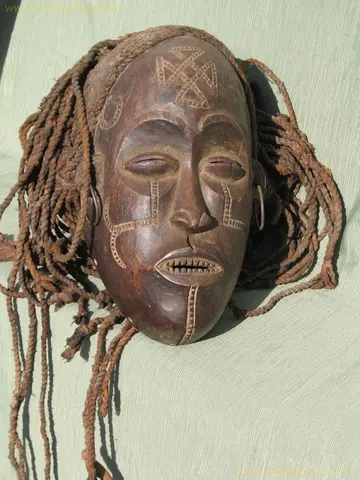
Under the appearance of a young woman represents Pwothe ancestral mother who watches over the fertility of her descendants.
MFAZ-6
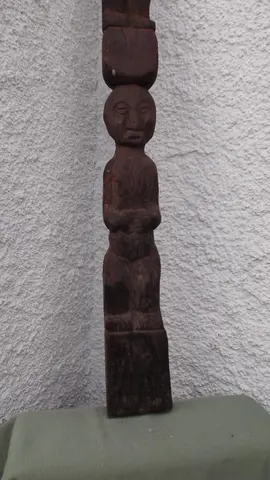
This high post is placed at the door of the hut or the house of the pregnant woman who is on the…
FRT-36
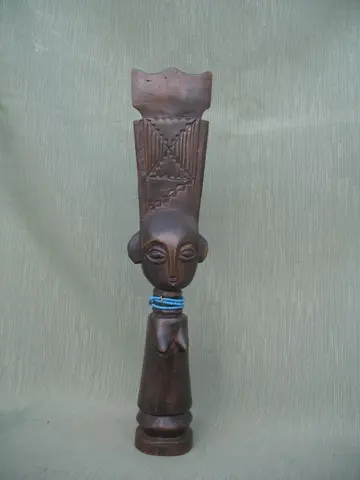
Like all fertility dolls of different ethnicities, fanti women since becoming pregnant carry in their clothes these dolls that must be as…
FRT-37
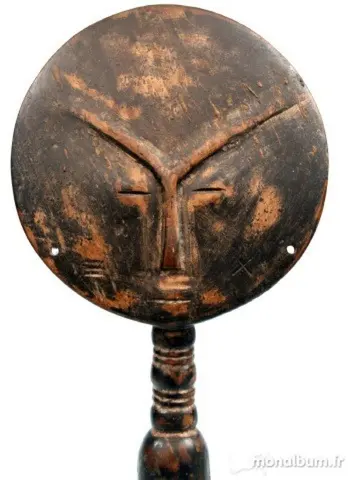
“AKWA BA” means “welcome” in most ethnic groups of the group Akan.
FRT-38
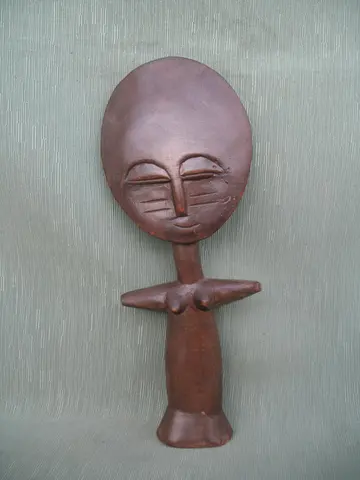
“AKWA BA” means “welcome” in most ethnic groups of the group Akan.
FRT-39
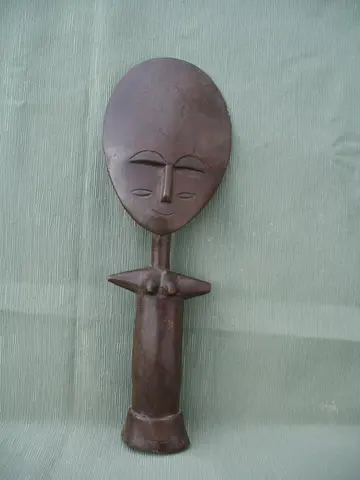
“AKWA BA” means “welcome” in most ethnic groups of the group Akan.
FRT-40
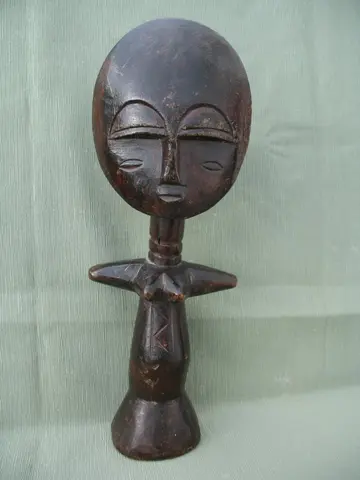
“AKWA BA” means “welcome” in most ethnic groups of the group Akan.
FRT-41
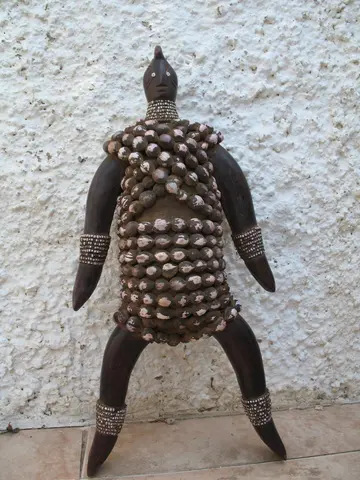
The Doayo Inhabit the Northern Province of Cameroon, in the department of Benué-Garoua.
FRT-42
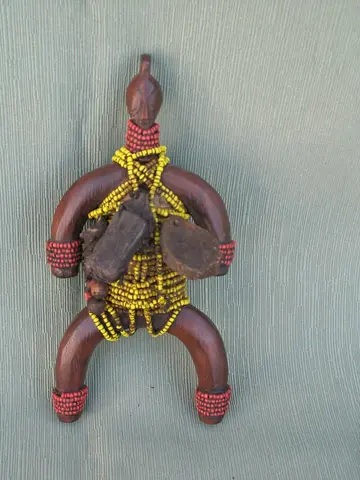
The Doayo They live in the Northern Province of Cameroon, in the department of Benué-Garoua.
FRT-43
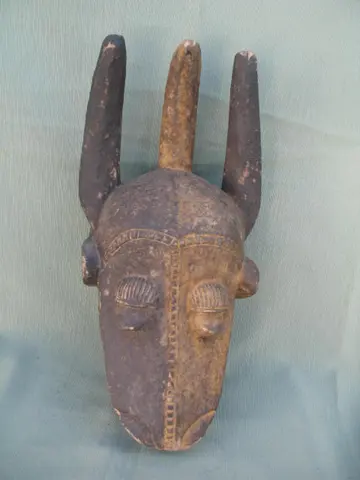
A scimer mask representing a stylized cow. Interestingly, it carries three horns, ignoring what the central horn can respond to.
MFZ-46
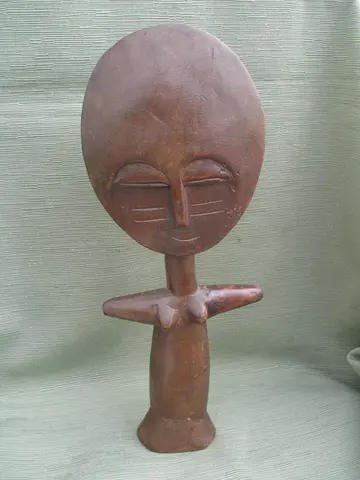
“AKWA BA” means “welcome” in most ethnic groups of the group Akan.
FRT-44
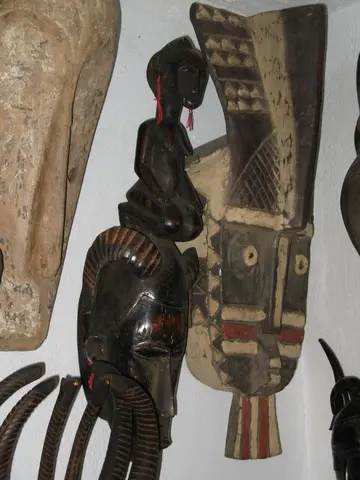
Curious mask, of marked influence Guró, that by its style could belong to the Mblo festive masks, but two important elements place…
MFAZ-104


