Paleocures
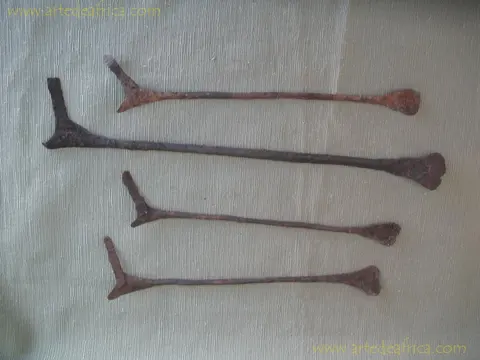
This name is given to cauris, ceramic beads, bronze handles and bracelets, small bronze or iron bars, tools and tools of tillage,…
MND-1

List of the historical catalogue
Text and organisation of the original catalogue · Jesús Arrimadas Saavedra
This name is given to cauris, ceramic beads, bronze handles and bracelets, small bronze or iron bars, tools and tools of tillage, and even raffia fabrics and everything that served as currency of exchange or purchase to the Africans before the arrival of the Europeans, occupying the gold powdered or in nuggets a very important place. Barter or purchase in any of its forms have always existed. Africans have known the coin minted since the century XVI, but for centuries before the minting of its currency itself, the most common “primitive” coins in Africa have been made up of bracelets, pieces of iron or copper of the most varied and artistic forms, working tools such as snouts or scarves, knives, throwing knives and the famous shells coming from the Indian Ocean, called “cauris” among the most common as well as ceramic pearls or beads. Possession of these coins was a symbol of power and wealth. They could serve as ornamentation in clothing and formalize transactions, personal or clan, buy livestock or other property, pay the dowry of married daughters and be bequeathed in inheritance as well as other property. The “cauri” because it could not be forged was the currency par excellence, of sale and barter, in much of Africa.
42 objects · page 1 of 2
This name is given to cauris, ceramic beads, bronze handles and bracelets, small bronze or iron bars, tools and tools of tillage,…
MND-1
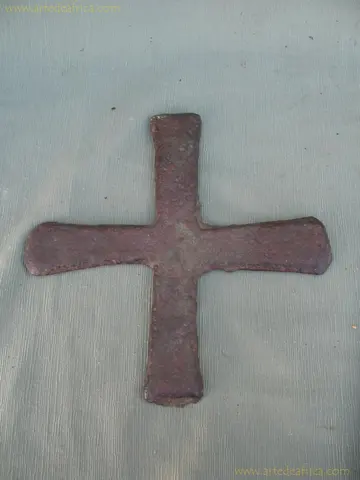
Antique copper coin used by Baluba of Katanga and Kasaï, during the century XIX and even well advanced the Colonization.
MND-2
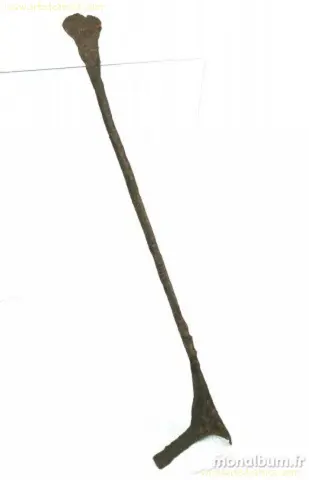
Former bronze coin used in Ivory Coast and much of West Africa until the turn of the century XIXIt's a grooved bar…
PAR-4
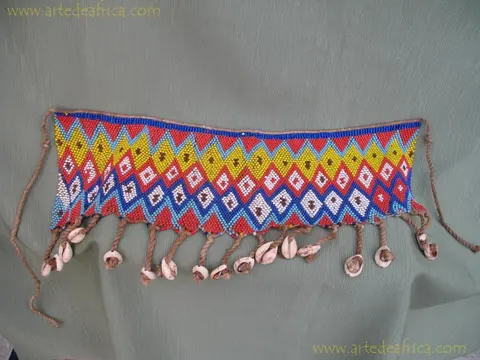
The essential function of African sex covers, especially when they are artistically decorated, is not what their name indicates but rather to…
FPR-7
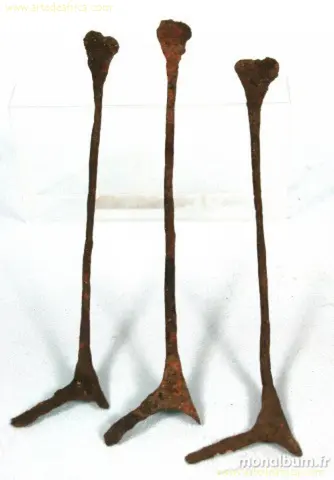
This name is given to cauris, ceramic beads, bronze handles and bracelets, small bronze or iron bars, tools and tools of tillage,…
MND-7
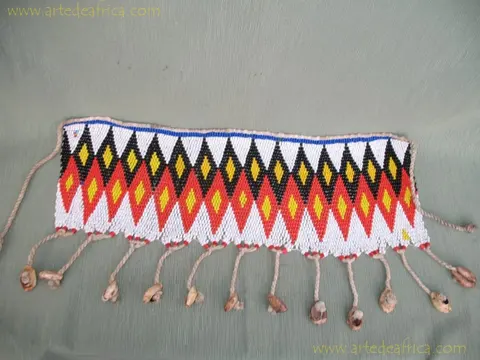
The essential function of African sex covers, especially when they are artistically decorated, is not what their name indicates but rather to…
FPR-8
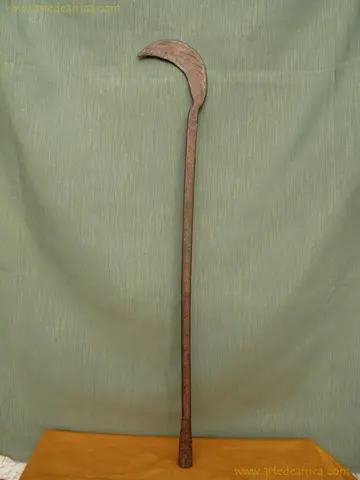
At the same time utilitarian object and currency of exchange this piece was also carried as a symbol of power and was…
MND-8
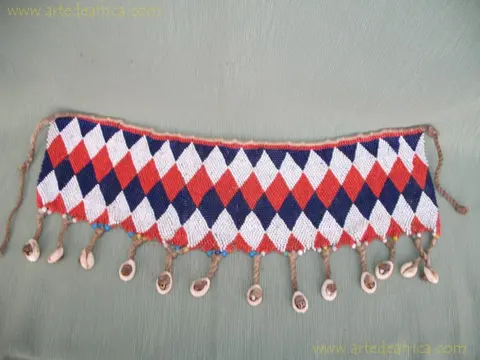
The essential function of African sex covers, especially when they are artistically decorated, is not what their name indicates but rather to…
FPR-9
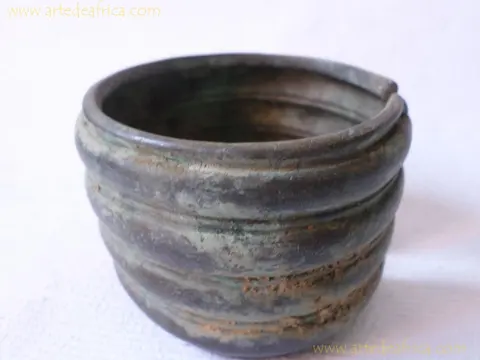
Old bracelet formed by four large rings and small joint rings.
MND-9
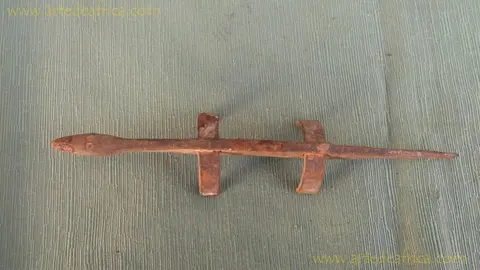
This name is given to cauris, ceramic beads, bronze handles and bracelets, small bronze or iron bars, tools and tools of tillage,…
MND-11
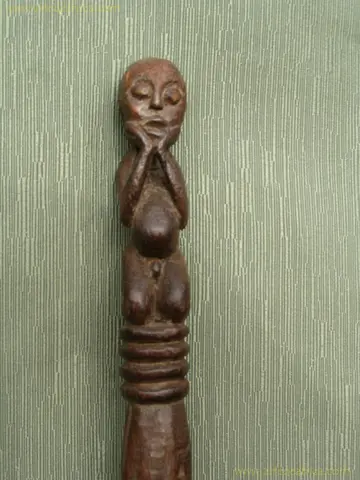
This name is given to cauris, ceramic beads, bronze handles and bracelets, small bronze or iron bars, tools and tools of tillage,…
MND-17
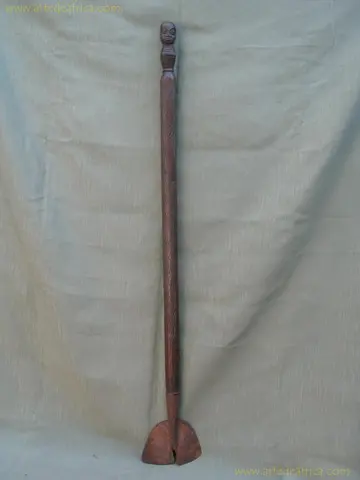
This name is given to cauris, ceramic beads, bronze handles and bracelets, small bronze or iron bars, tools and tools of tillage,…
MND-18
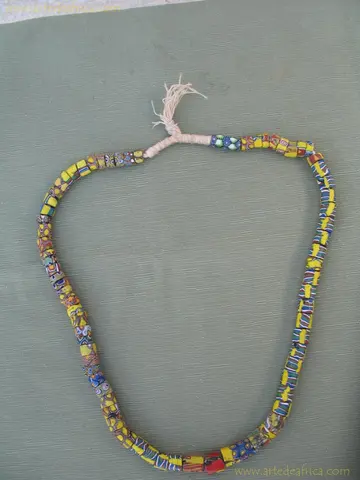
Necklace of glass beads and ceramina of Venetian or Murano calls.
MND-20
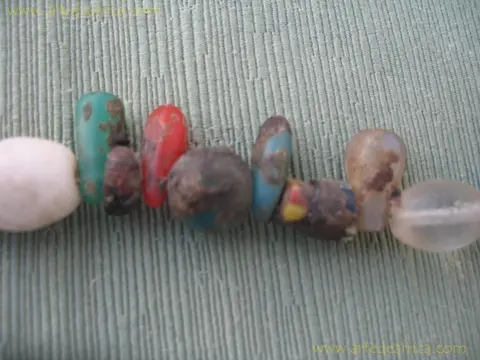
Accounts of Venice or Murano, glass and glass used as coins.
MND-21
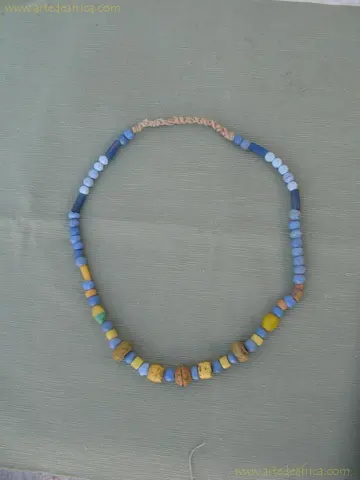
Ceramic beads necklace used as barter coin.
MND-22
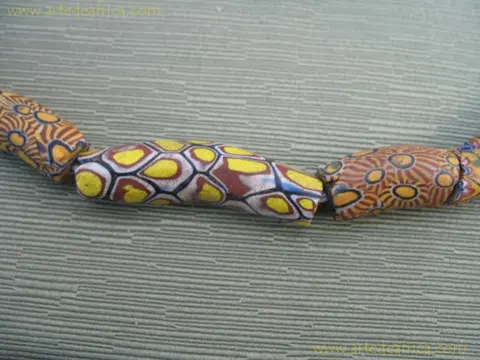
Necklace of Venetian or Murano beads, used as barter currency.
MND-23
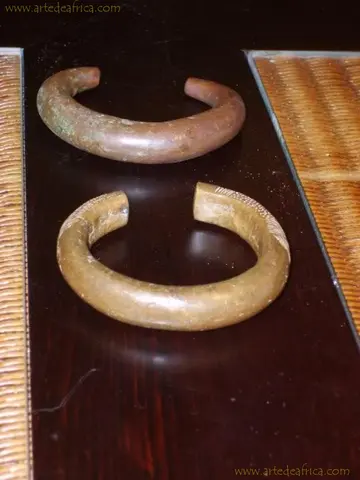
Bracelets Call Bracelets handles have served as a currency in transactions in much of Africa during the century XIX and even well…
MND-24
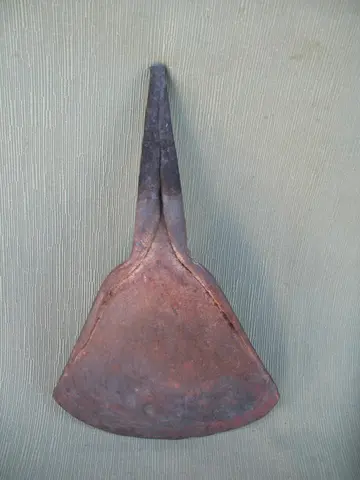
Old triangular-looking iron coin. Looks like a pallet, picker type.
MND-25
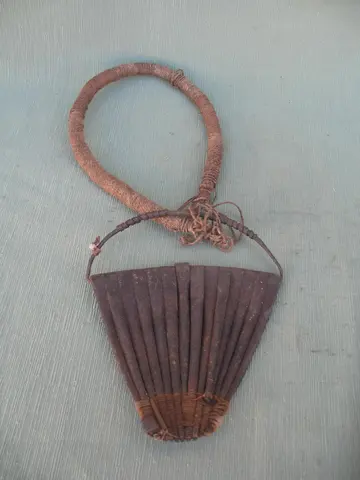
Currency serving at the same time as sex cover for young women Fali.
MND-26
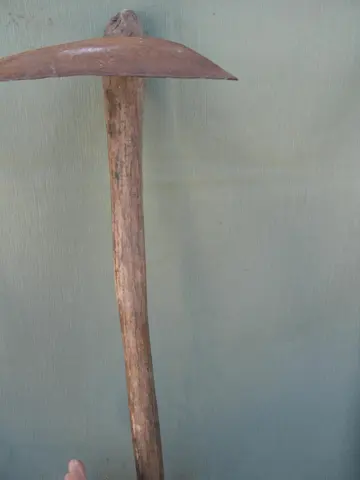
Like many African tools and farm tools this hoe has served as barter currency.
MND-27
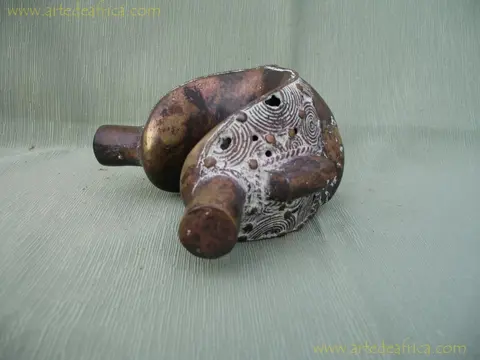
Open bronze bracelet, made from lost wax. Philigree drawings.
PYB-20
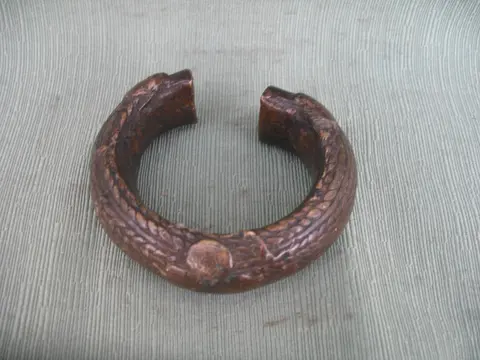
Heavy bronze coin bracelet for its size. Pieces used as barter coins and as a feminine ornament.
MND-28
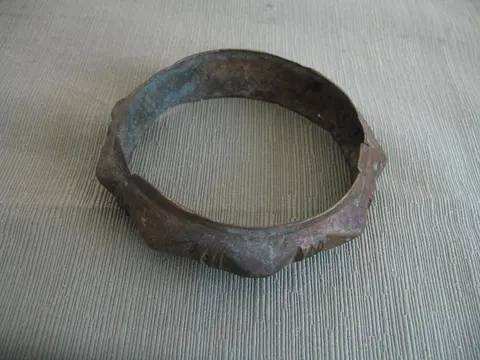
Very thin bracelet with geometric reliefs.
MND-29
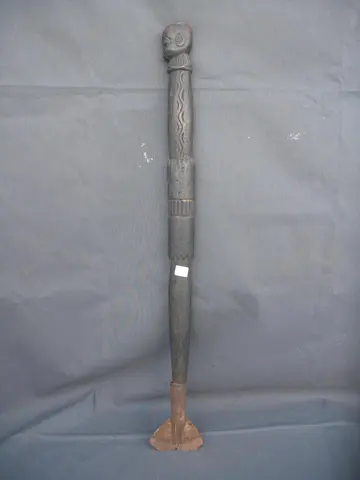
Carding tool used as barter currency until well advanced century XX.
MND-30


