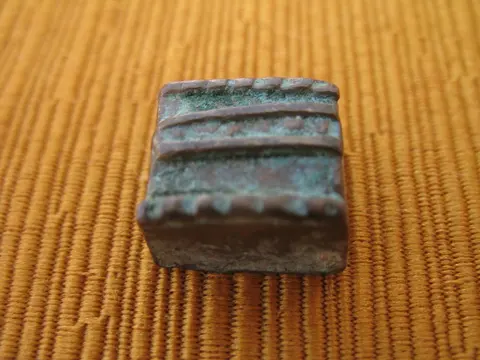
Gold weight
These pieces of the century XIX were used in the territory of Baulé until well into the century XX.
PGM-25

Text of the original catalogue · Jesús Arrimadas Saavedra
Being gold one of the main riches of the people Akan (original Ghana) and their main trading object devised a weight system to weigh the nuggets and the gold dust. In the initial system, the king had control of the gold. Later the system of weights was generalized in the villages of the great family Akanlike the BauléThese bronze weights to weigh the gold powder, manufactured by the procedure of lost wax, correspond to certain weights. Its use has spread mainly over the centuries XVII and XIX. Baule weights are calibrated from the BA, 0,148 g. Ashanti weights are calibrated from Tekou, 0,220 g. A red or black arbrus precatorius seed is the base unit for having this seed a constant weight. Two seeds are worth a BA, three seeds are worth a Takou. The linear or circular drawings of the geometric weights correspond to a defined code, to a language of signs, in sum, to a writing known only to those initiated at the highest levels. Several juxtaposed weights can convey a message or tell a story. The Akan they call “dya” the set of weights and gadgets, scales, pallets and spoons and kuduo, destined to weigh the gold dust. For the elderly Akan The eminent ethnologist Georges Niangoran Bouah has left us an interesting study, in three thick volumes, on ashanti weights and gold-weighing ballet. In unwritten civilizations everything is writing. Weights have been known since the century XV and some of them have Arabic characters, which shows the influence of merchants who came down from the empire of Mali. Another period begins towards the beginning of the century XVIII and continues to well advanced the century XX. The weights, with geometric designs, heavier correspond to the king. Some weights, shaped like pins to hold and adorn the hair, were considered jewels by women. They can be zoomorphs, crocodile, leopard, hen, scorpion, turtle, fish among many others or anthropomorphic, highlighting some activities of daily life. They can also represent small utility objects, pipes, chairs, shoes, tools or swords. Figurative weights, many of them called proverbial or proverbial weights, refer to proverbs and proverbs typical of their civilization and summarize African philosophy. For example, the turtle with a bird on top illustrates a very widespread proverb: “When you’re in the middle of the river don’t attack the turtle that transports you.” Four birds on a pyramid or on a tree trunk refer to the boss and his followers; four doves around a trough represent solidarity within the clan and thus all weights have a concrete meaning. The leopard with a small antelope calf represents the real power. The sword represents justice; the spiral, the traditions as a source of wisdom and knowledge; two crocodiles in the form of a family unit; generations are symbolized by pyramidal figures. All signs correspond to an idea, a myth, a proverb, an event, a symbol of nature, a family. Geometric weights therefore constitute a true writing of signs. Akan weights are a family heritage. The set of these weights with different accessories weighing gold, stored in a cloth, constitute the dya, inheritance in the Akan language.
193 objects · page 2 of 9
These pieces of the century XIX were used in the territory of Baulé until well into the century XX.
PGM-25
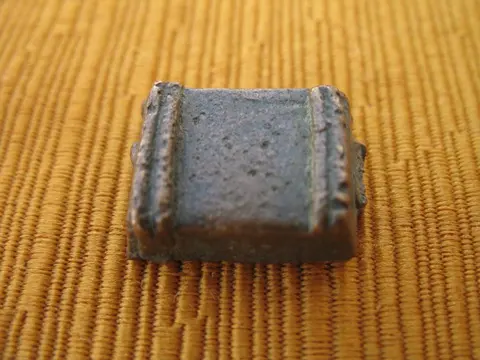
These pieces of the century XIX were used in the territory of Baulé until well into the century XX.
PGM-26
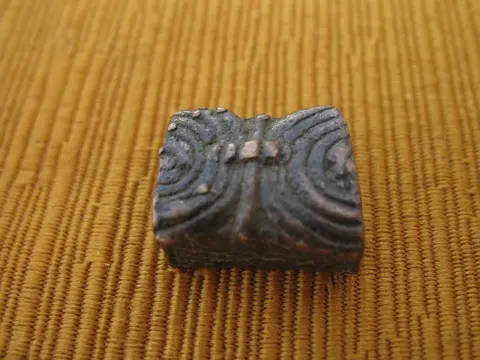
These pieces of the century XIX were used in the territory of Baulé until well into the century XX.
PGM-27
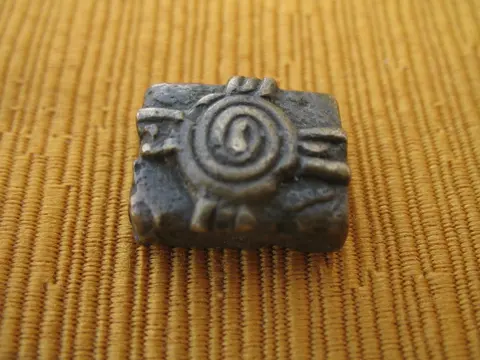
These pieces of the century XIX were used in the territory of Baulé until well into the century XX.
PGM-28
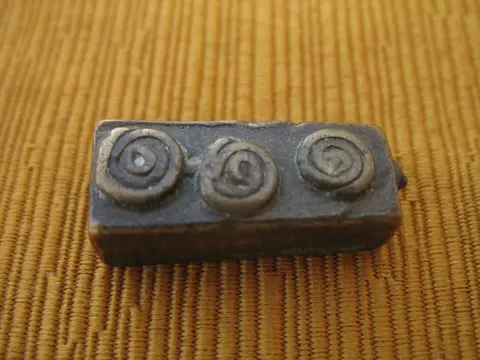
These pieces of the century XIX were used in the territory of Baulé until well into the century XX.
PGM-29
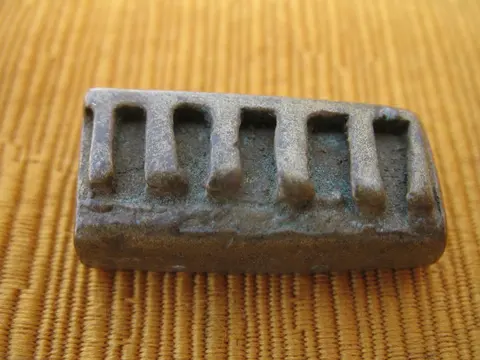
These pieces of the century XIX were used in the territory of Baulé until well into the century XX.
PGM-30
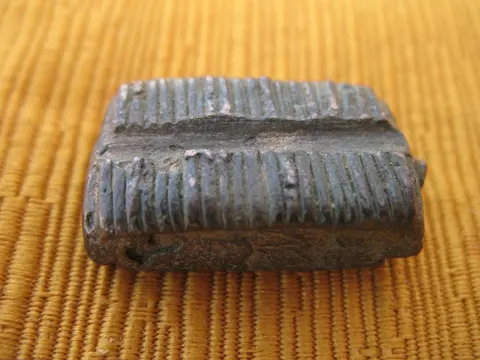
These pieces of the century XIX were used in the territory of Baulé until well into the century XX.
PGM-31
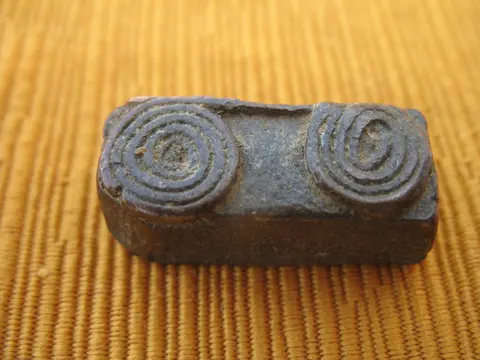
These pieces of the century XIX were used in the territory of Baulé until well into the century XX.
PGM-32
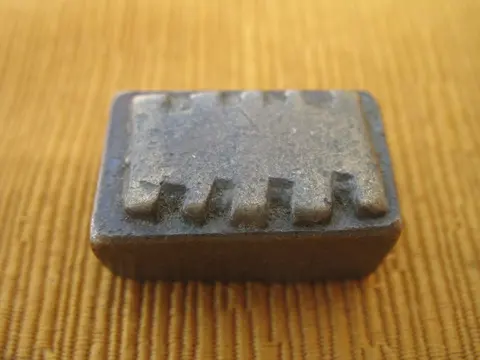
These pieces of the century XIX were used in the territory of Baulé until well into the century XX.
PGM-33
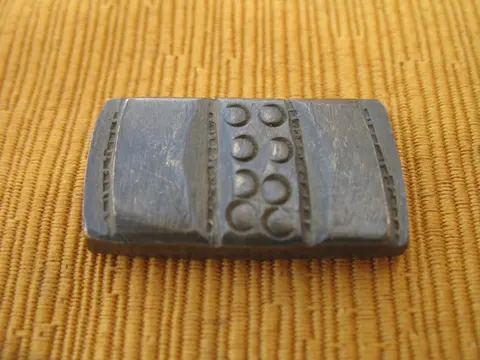
These pieces of the century XIX were used in the territory of Baulé until well into the century XX.
PGM-34
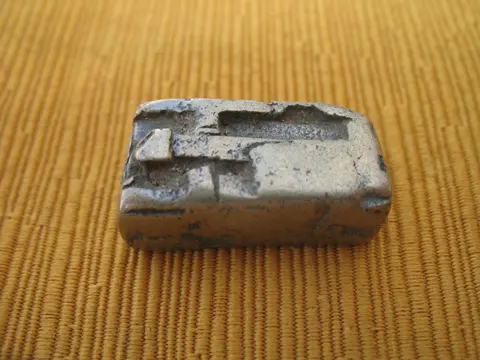
These pieces of the century XIX were used in the territory of Baulé until well into the century XX.
PGM-35
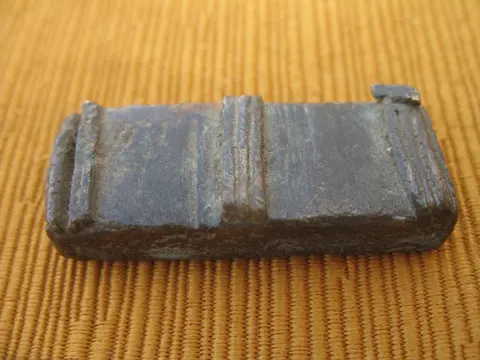
These pieces of the century XIX were used in the territory of Baulé until well into the century XX.
PGM-36
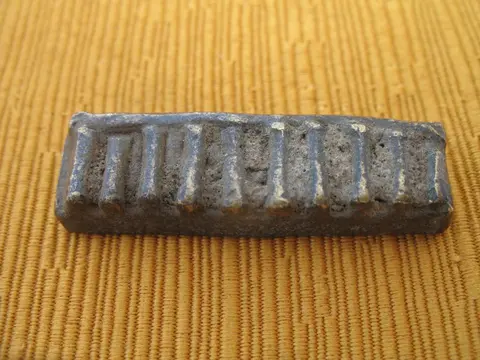
These pieces of the century XIX were used in the territory of Baulé until well into the century XX.
PGM-37
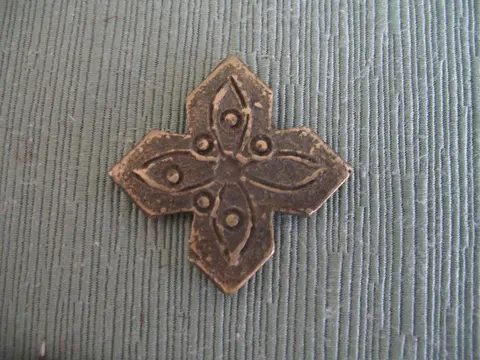
It weighs in the form of a four-point star with the drawing of a four-leaf tree inside.
PGM-40
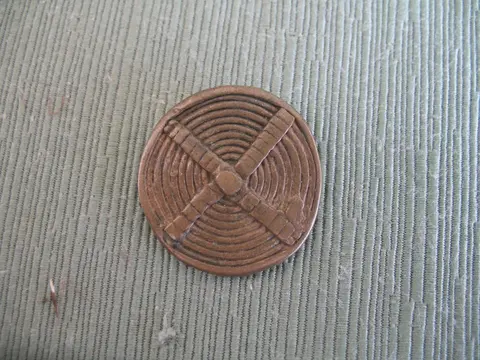
It weighs in the form of a circle. Inside concentric circles crossed by a blade.
PGM-41
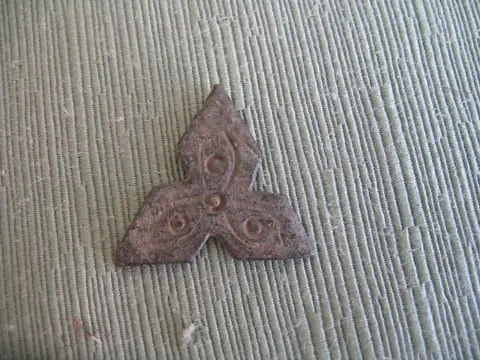
It weighs in the form of a triangle with a slit on each side.
PGM-42
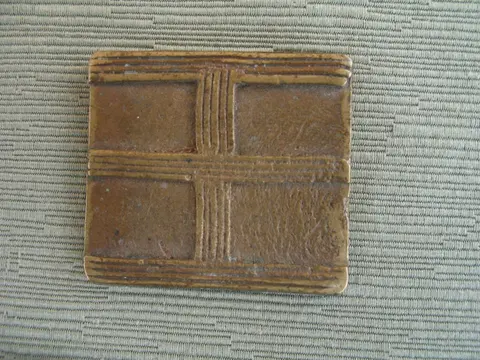
Square piece with two groups of four lines at two ends and parallel another in the middle.
PGM-43
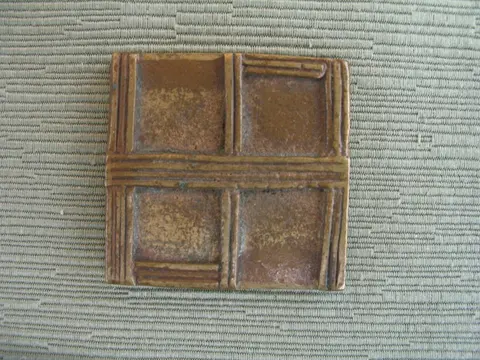
A FOUR PARALARY LINES GROUP DIVING THE WEIGHT IN TWO AND WITH TWO PERPENDICULARY LINES DIVIDING IT IN FOUR PARTIES.
PGM-44
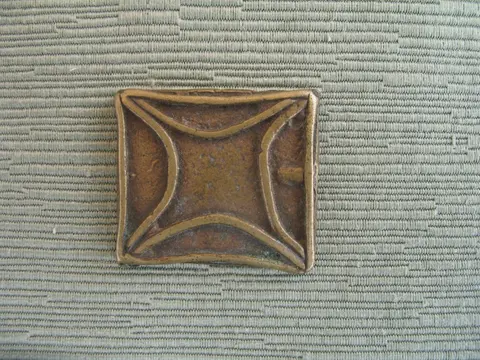
It weighs in the form of a small rectangle with a drawing on the inside formed by four circle arches whose ends…
PGM-45
Curiosity weighs with three broken angles.
PGM-46
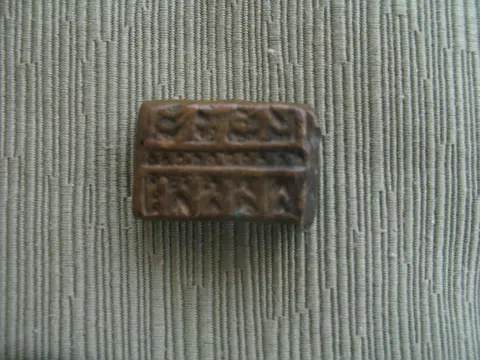
Small rectangular weight with two parallel lines that cross it in the widest part and inside a small perpendicular lines that resemble…
PGM-47
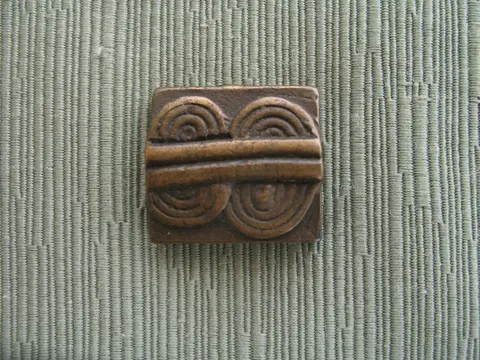
Square weight with two circumferences inside which there are several concentric circles cut into two halves by two thick parallel lines.
PGM-48
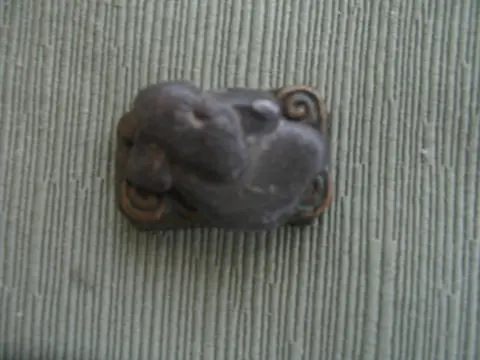
It weighs with a lead load on top. This procedure was used to complete the weight.
PGM-49
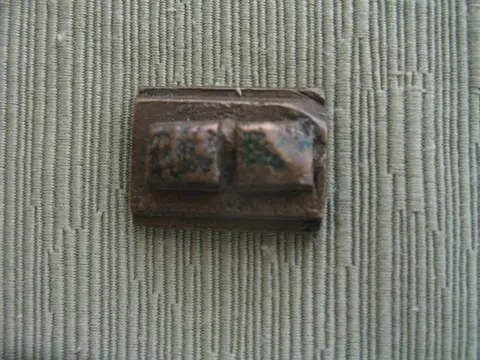
It weighs with two embossed squares inside. Very old patina.
PGM-50


