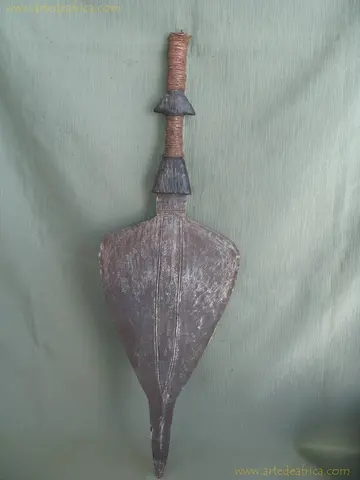
Knife
Very wide blade knife that confers the appearance of the rayfish.
ARM-27

Text of the original catalogue
CEREMONY WEAPONS Like the scepters and the batons of command are symbols of power and authority that denote the rank of the person who holds them. They are not weapons of combat, which is the same as weapons, but as their name indicates they are destined to be carried in ceremonies and official acts. They are copies or imitations of real weapons, which have the same appearance but not the same effectiveness, although they are usually more decorated and presented with a more attractive appearance. Mazes, swords, daggers and axes are the most used ceremonial weapons by kings, chiefs and dignitaries in traditional Africa.
58 objects · page 2 of 3
Very wide blade knife that confers the appearance of the rayfish.
ARM-27
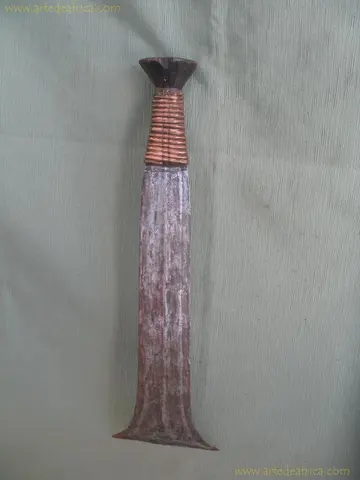
Rectangular leaf quite elongated and flat with light relief stretch marks.
ARM-28
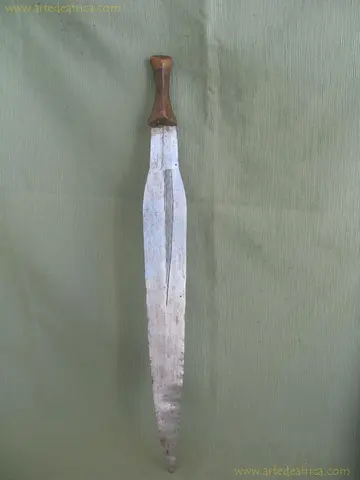
Machete with very thin blade and small grip handle, wood color, diamond cut.
ARM-29
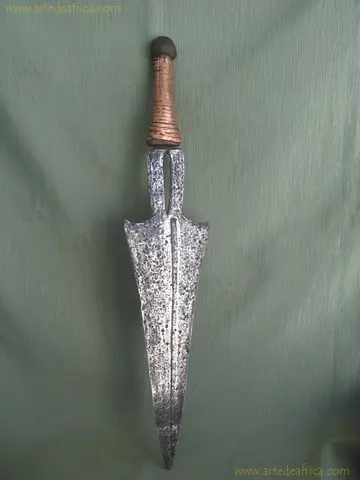
Solid stripe of elongated triangular leaf with a narrower, non-sharp and ribbed part in its center, next to the wooden handle covered…
ARM-30
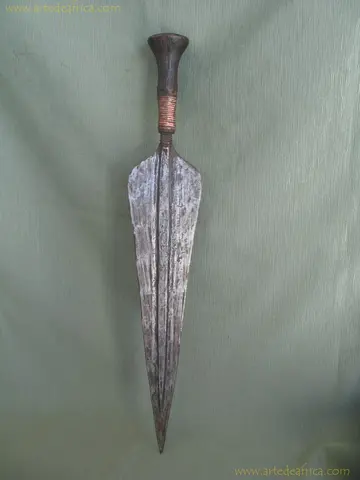
Leaf lanceolate and rounded in the grip area. A thick central stretcher runs it up and down.
ARM-31
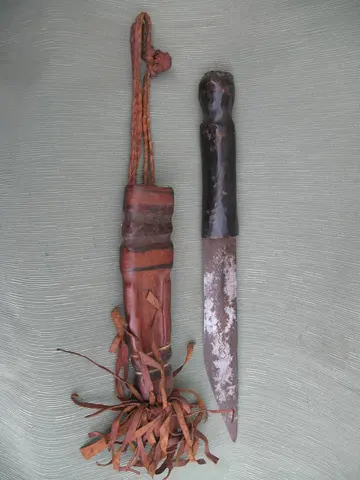
Knife for use and defense. Handle wood painted black and iron blade.
ARM-51
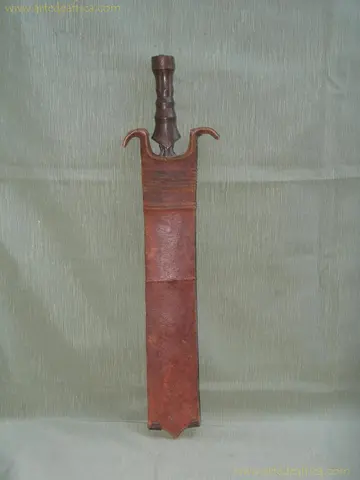
Typical sword of the Salampasu of the South, which have been influenced by the Songyé and of Luba.
ARM-33
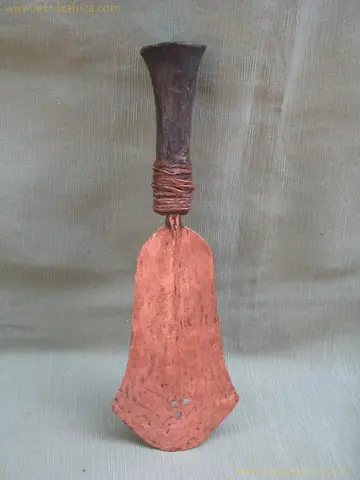
Wide copper blade, in the form of an inverted cup that widens further at the base and rounds the bottom.
ARM-34
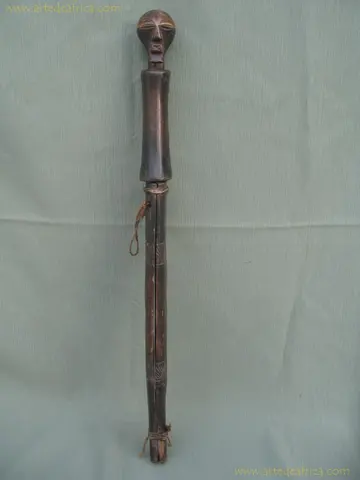
Sword that presents a long control enlarged at the ends and topped by a songyé head.
ARM-35
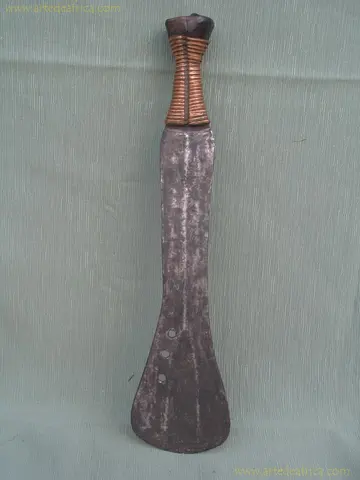
Sword of defense with handle in the form of elongated diabolus, in wood covered with copper grudo thread.
ARM-36
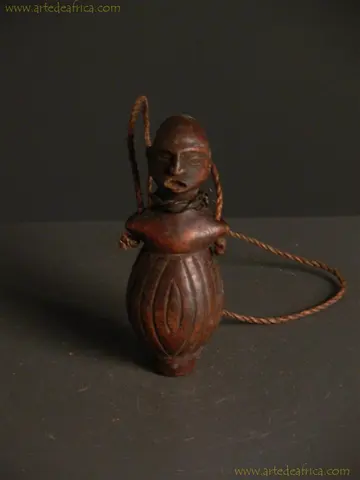
Small duster intended to transport the black duster used by the hunter.
ARM-39
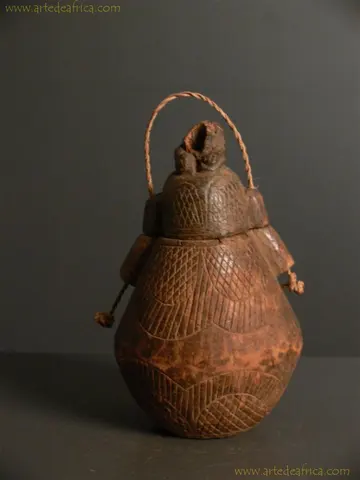
Duster intended to transport the black powder that the hunter will use.
ARM-40
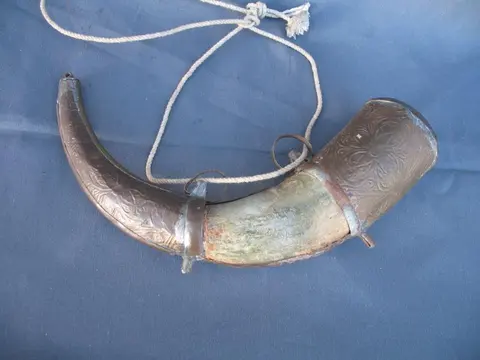
Duster made of a piece of ox horn with ends lined with repulsed brass foils.
ARM-54
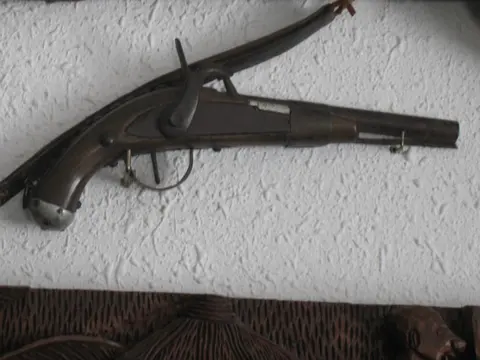
These weapons were manufactured by the blacksmith of the village recovering for the manufacture of the cannon any piece of metal tube.
ARM-49
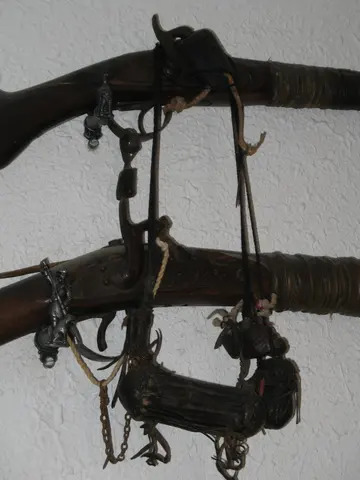
Former percussion vancharging shotguns, handmade.
ARM-50
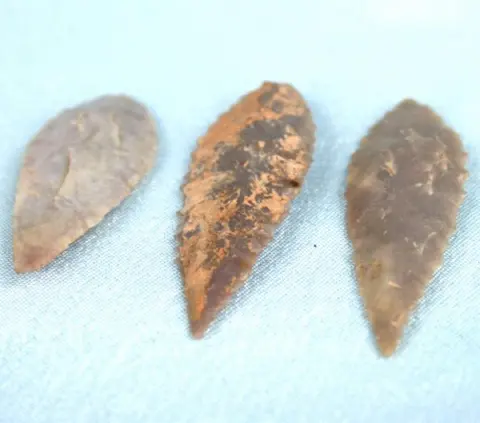
Launch points of the Nigerian Neolithic Period, a prehistoric era in which man bases his subsistence on agriculture, livestock, hunting and…
ARM-42
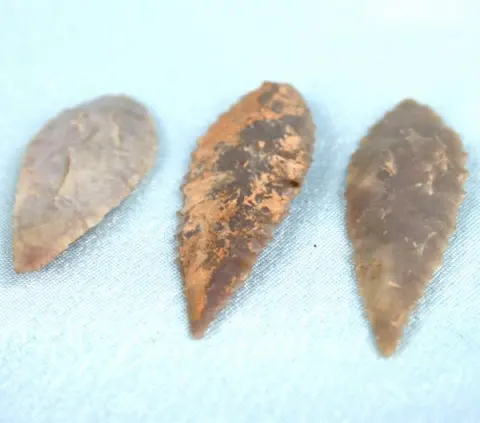
Launch points of the Neolithic period of Congo, a prehistoric era in which man bases his subsistence on agriculture, livestock, hunting and…
ARM-43
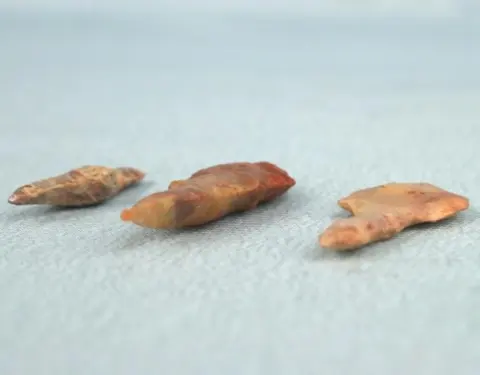
Point of spear, arrow and axe of the Neolithic period of Congo, a prehistoric era in which man bases his subsistence on…
ARM-44
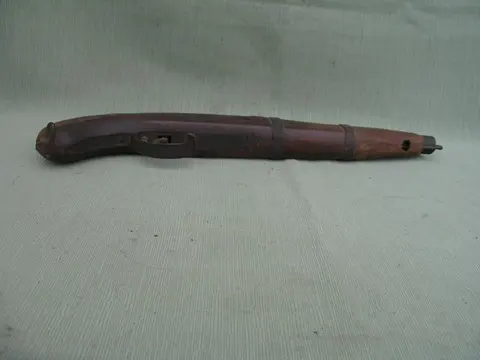
The weapons traditionally used by Africans, even today, are weapons equivalent to the weapons of avancarga.
ARM-45
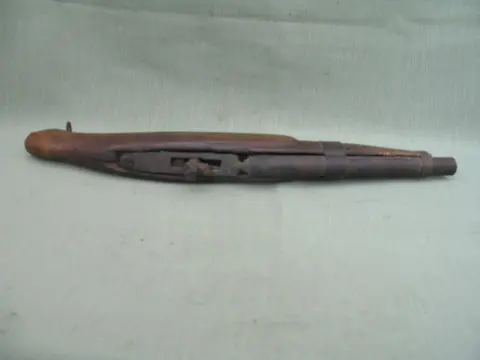
The weapons traditionally used by Africans, even today, are weapons equivalent to the weapons of avancarga.
ARM-46
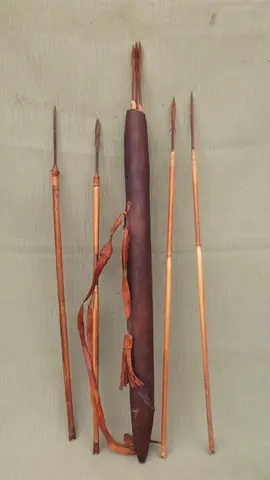
The Bakaalso known as Babinga or Bayaka, are the most important group of pygmies in Cameroon, 40.000and since all these groups are…
ARM-47
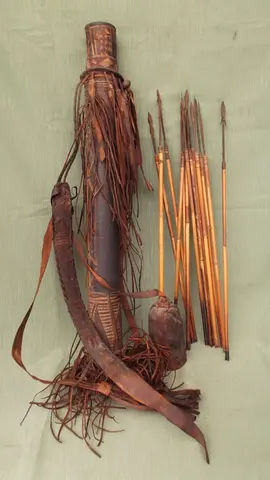
Nice carcaj with a large group of arrows destined for hunting and defense.
ARM-48
Carcaj and small arrows of hunting and defense. Often the tip of the arrows is poisoned.
ARM-56
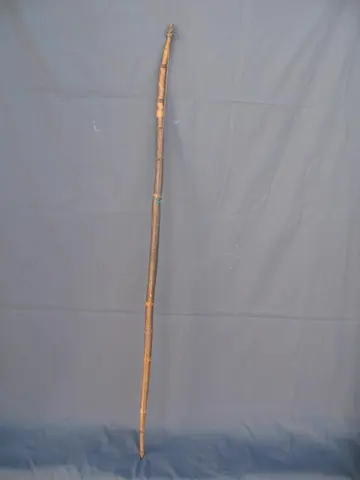
Arch used for hunting and in other times also for defense.
ARM-52


