C Uenco
The Bari are a Nylothic people settled mainly in eastern South Sudan, but in fewer numbers also in Uganda and the Congo.
TRRC-85

List of the historical catalogue
Text and organisation of the original catalogue · Jesús Arrimadas Saavedra
The word terracotta comes from the Italian terra cotta or cooked soil. Clay, clay is the component of what has been universalized under the word terracotta. Without a doubt it is the mud that is the oldest material of humanity that man has used to leave us his memory throughout the centuries. It is the easiest material to work with, just make f high hands to model and shape it. Human remains made of terracotta have been found that date back several millennia. The man built in clay the first containers that served him to contain the food. Clay were also the first ornaments that served to beautify women, as demonstrated by the beads of necklaces that appeared in different deposits. In the beginnings, mud and sun were sufficient. As man became civilized, he developed ever more perfected objects. Many of them had a marked religious sense, funeral urns, votive figures or altar statues. Others represent naked or dressed men even with magnificent galas, according to cultures, and also animals are represented. Archaeology shows that many African peoples had in remote times artists who mastered these techniques perfectly, some have excelled over others with a greater or lesser degree of elaboration, such as Djenne, Nok, Sokoto or Katsina. Others, by the number of works found or by the originality of their productions, such as the Bura of Niger, the Komaland of Ghana or the Sao And there is practically no decade in which no new vestiges of lost civilizations appear, as is the case very recently of the carved stones of Gohitafla in Ivory Coast. UNGÜENTARIOS Metal, glass or with the greatest frequency of ceramics, the use of the ointment goes back to the night of the times and to all civilizations. Designed to contain medicinal ointments, magic substances, cosmetics, balms, shavings or other pocimas of animal or plant origin, its use is as diverse as its content. Balms, ointments, or cosmetics give an almost restricted use to enhance the beauty of women, well that many men apply shavings to participate in certain ceremonies. Other types of ointments are intended for healing, healing of the sick, magical enchantments and divinatory practices. These ointments come from the region of Djenné, Mali, and the dating of the figures found to the present is between the centuries XI and XVI.
76 objects · page 3 of 4
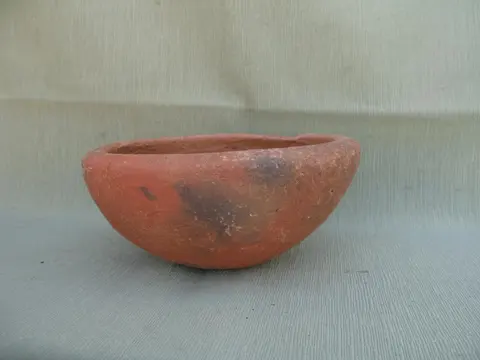
The Bari are a Nylothic people settled mainly in eastern South Sudan, but in fewer numbers also in Uganda and the Congo.
TRRC-85
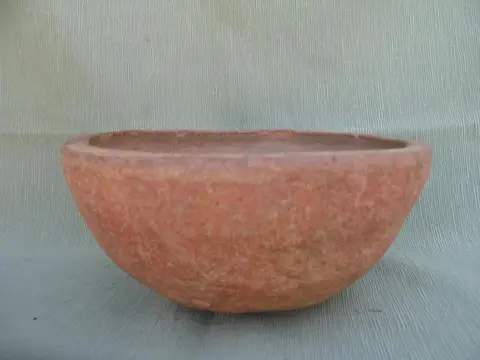
The Bari are a Nylothic people settled mainly in eastern South Sudan, but in fewer numbers also in Uganda and the Congo.
TRRC-86
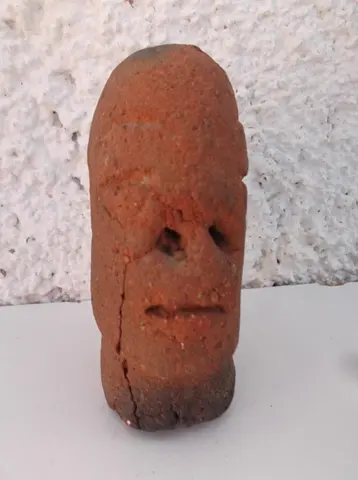
Nok It's not an ethnic group,is a small village in northern Nigeria, in the Zaria region.
TRRC-87

Queen or princess head with a simple headdress.
TRRC-89

As indicated by his five-level headdress is ratted from a queen head.
TRRC-90

Male head probably of Oni or court character, with linear scarifications on the face.
TRRC-91

Queen or princess head with a simple trococonic headdress.
TRRC-92

This type of bowl served to contain grain or liquids. Accurate antiquity without a thermoluminescence analysis is difficult to define.
TRRC-95

This type of bowl served to contain grain or liquids. Accurate antiquity without a thermoluminescence analysis is difficult to define.
TRRC-96

This type of bowl served to contain grain or liquids. Accurate antiquity without a thermoluminescence analysis is difficult to define.
TRRC-97

This type of bowl served to contain grain or liquids. Accurate antiquity without a thermoluminescence analysis is difficult to define.
TRRC-98

Small container used to drink some liquid. Accurate antiquity without a thermoluminescence analysis is difficult to define.
TRRC-99

Small glass used to manipulate liquids and possibly ointments intended for religious, divinatory or magical rites.
TRRC-100

Small bowl used to contain grain or liquids. Accurate antiquity without a thermoluminescence analysis is difficult to define.
TRRC-101

Glass intended to contain water or also used to serve palm wine.
TRRC-105

Large and heavy long-necked vessel intended to keep fresh the water intended to be consumed.
TRRC-103

Old jar intended to contain water or grain. Excellent state of conservation.
TRRC-102
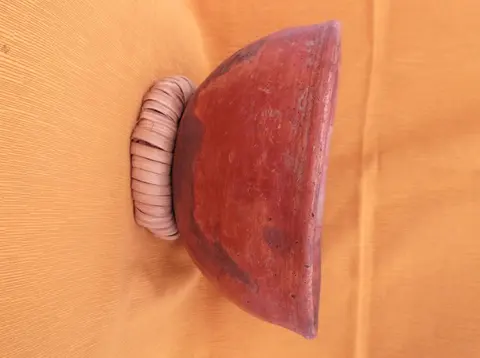
Large and heavy bowl, intended to contain grain and other household uses.
TRRC-104

Small vessel intended to contain healing pocymes or ointments, also used in magical or ritual practices.
TRRC-106

The word terracotta comes from the Italian terra cotta or cooked soil.
TRRC-107

Curious and rare figure of an ethnic woman Kissi present in two small areas in eastern Sierra Leone.
TRRC-108

The term Bura is related to a series of places centered in a vast territory located in the middle area of the…
TRRC-109

Excavations carried out over the years 1983 revealed some funerary reliquaries or urns that appeared in the necropolis.
TRRC-110
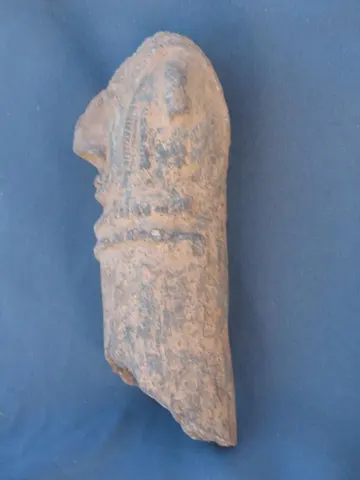
Excavations carried out from the years 1975 revealed some funerary reliquaries or urns that appeared in the necropolis.
TRRC-111


