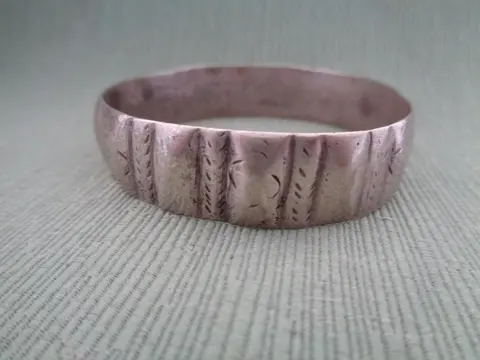
Bracelet Reliefs
Armband intended for a young woman. It has reliefs with some dots, many of them worn out by use.
PYB-61

List of the historical catalogue
Text and organisation of the original catalogue · Jesús Arrimadas Saavedra
Ornamentation is not just a female symbol. Kings and notables make abundant use of gold and copper or brass jewels in addition to other metals. The jewels denote the social rank of the wearer. Female ankle bracelets, depending on their weight and size, indicate that the range of their wearers frees them from ordinary household chores while forcing them to walk in a special way that increases their appeal and seduction power. Many of these bracelets are change coins or are part of the dowry or family heritage. Arms, legs and ankles as well as neck, forehead or nose, or size and torso can be adorned with bracelets, necklaces and other jewelry. The bracelets were a sign of identity of both the social class of the person and the ethnic group. They were often currency for marriage. There are pearls and necklaces exclusively reserved for the use of kings and high dignitaries, as is the case in Benin. Brass and copper jewelry, the so-called African bronze, manufactured by the method of lost wax, are widely used in Africa, as are garments or ornaments decorated with cauris or beads and beads bracelets and beads of ceramic. These are often recovery metals. Cauri, frequent in body ornaments, has served as a currency of exchange, in some places, until well into the century XX. It is a symbol of female fertility, indispensable element in divinatory and magical rites, and habitual ornament of statues, masks and garments. The bracelets, like the other jewels, are part of the family heritage, they are part of the dowry in most cases and the usual exchange currency in almost all regions.
62 objects · page 3 of 3
Armband intended for a young woman. It has reliefs with some dots, many of them worn out by use.
PYB-61
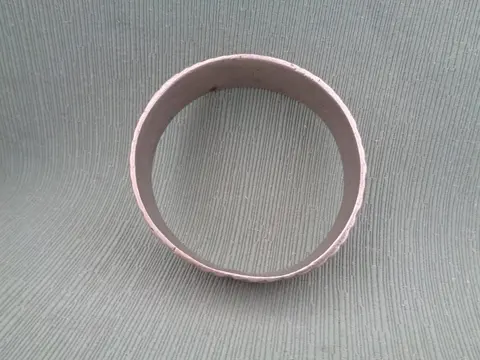
Brazalee striated with drawings of points marked on the stretch marks many of them worn out by use.
PYB-62
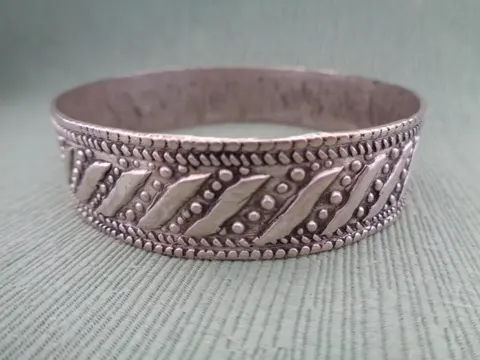
Elegant bracelet from the Targuí goldsmith (singular of tuareg) intended for an adult woman.
PYB-63
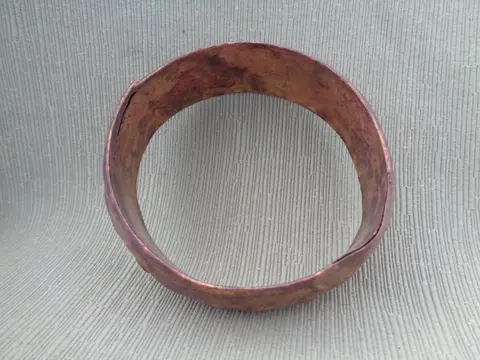
Curious bracelet, very light, that seems to be built with two superimposed sheets of very fine brass tin foil, set one on…
PYB-64
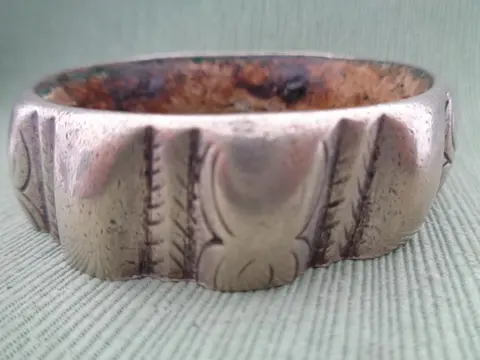
An old bracelet made of heavy silver whose drawings accuse the passage of time.
PYB-65
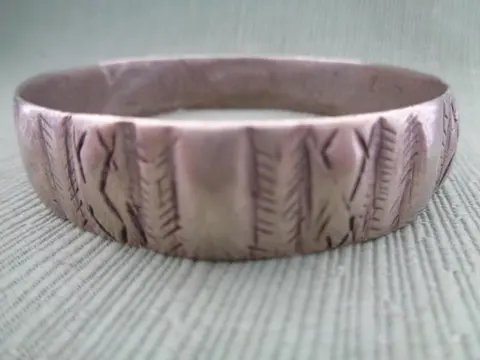
Heavy but not thick silver bracelet for a young adult woman.
PYB-66
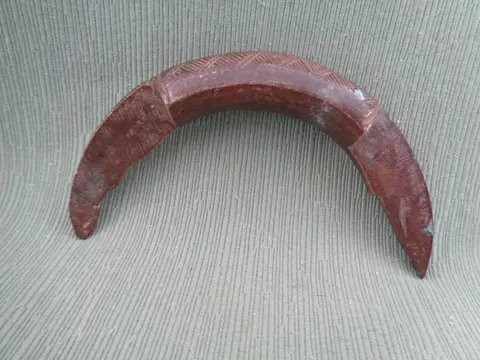
Old closure of a thick targuí bracelet (tuareg plural), possibly from a anklet.
PYB-67
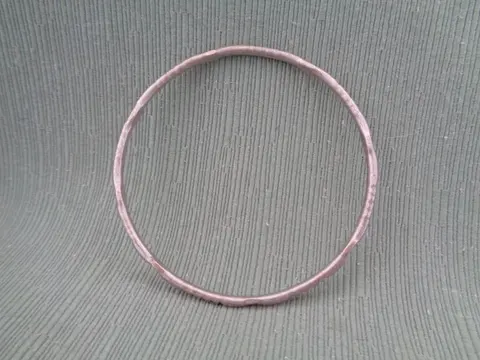
Fine bracelet destined without any doubt to a young woman.
PYB-68
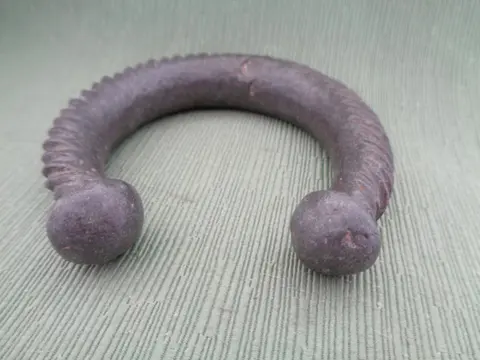
Bracelet of a grey metal, unknown, that weighs more than aluminum but less than iron, bronze, silver or brass.
PYB-69

Female bracelet with olicous stretch marks and embossed drawings.
PYB-70

Bracelet intended to be worn by the wife of a remarkable.
PYB-71

Bracelet intended to be worn by the wife of a remarkable, represents the face of her husband.
PYB-72

Bracelet of the Kingdom of Benin featuring four women of notables in the typical costume of their era of splendor.
PYB-73

Bracelet of the Kingdom of Benin featuring four notable male characters in the typical costume of their era of splendor.
PYB-74


