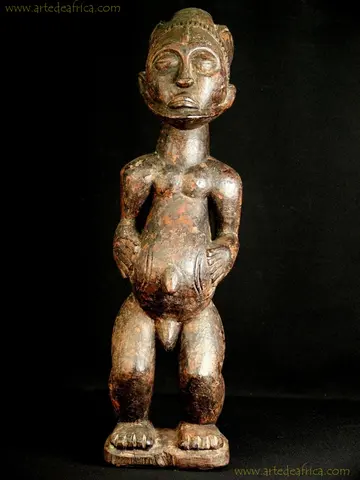
Pregnant Hermaphrodite
The hermaphrodite is a figure that often appears in the statuary and in African masks.
HMF-1

Text of the original catalogue
Founded in the Century XVI by King Kongolo, the kingdom experienced a rapid expansion along the left bank of the Lualaba River under the reign of Kalala Ilunga, nephew of the founder. With the Muslim slave invaders and the attacks of the Angolan Ovimbudu the kingdom was weakened and I have just sunk with the arrival of the Belgian colonizers at the end of the century XIX as a consequence of the Treaty of Berlin. The kingdom was structured in the form of an empire. A supreme king, the Mulopwe, was seconded in the different regions by the Clanic kings, mini-kings who could also be ruled by the king's own sons or these kings become symbolically their sons. The court of notables, mulopwe, assisted the king in the tasks of government. Possibly copied from Europeans, they applied a system of taxation and redistribution of the wealth of income obtained from the sale of their agricultural products and their commercial activities, such as the sale of salt, iron and other mineral wealth. These activities were under the absolute control of the monarch.
24 objects · page 1 of 1
The hermaphrodite is a figure that often appears in the statuary and in African masks.
HMF-1
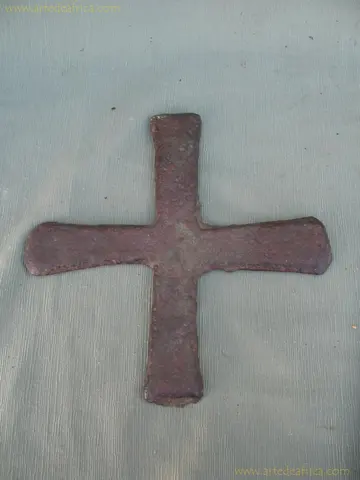
Antique copper coin used by Baluba of Katanga and Kasaï, during the century XIX and even well advanced the Colonization.
MND-2
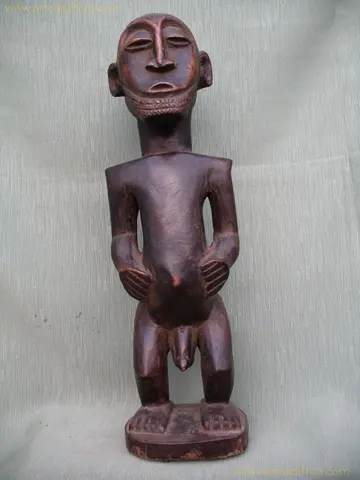
Statue of notable or ancestor as indicated by the bearded necklace.
EMS-40
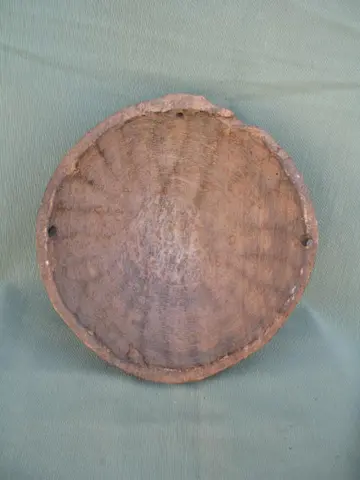
The Luba mask is very similar to the female mask kifwebé of the Songyé, which is more rounded, although the male mask…
MFC-6
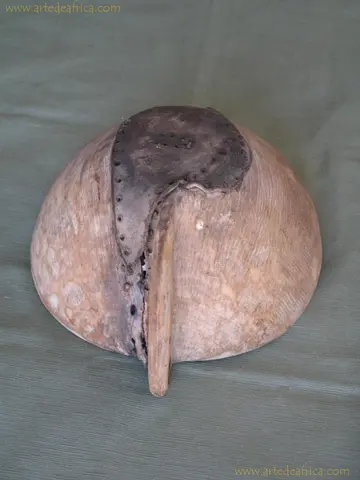
Rounded mask like most of the scarce luba masks, with a certain resemblance to the female kifwebé masks, but it seems to…
MCYC-21
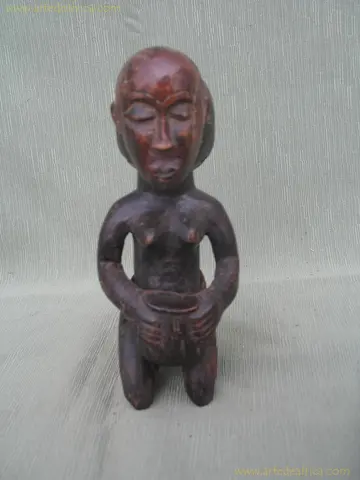
The bearers of a cup or a “loose woman’s statues” usually correspond to the well-known style of Buli, the master craftsman who…
EFM-49
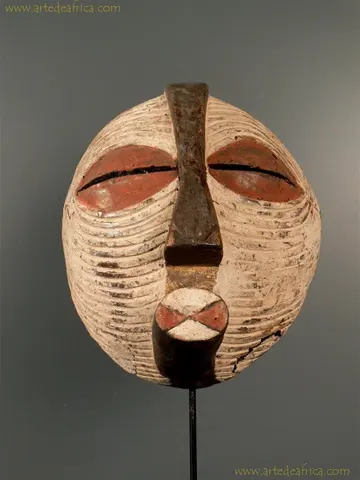
The Luba mask is very similar to the Kifwebé female mask of the Songyé, but more rounded, although the male mask also…
MFANT-142
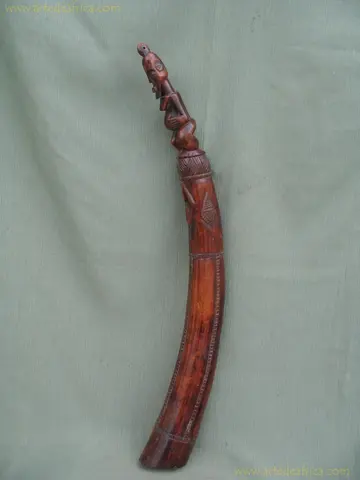
Former cross-bone tube finely chiseled in ivory, topped with the figure of a woman in which her breasts and her belly stand…
MRF-19
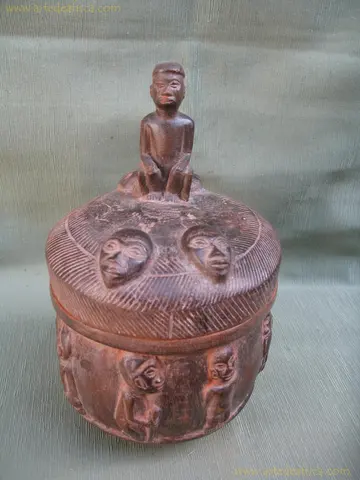
Called a box of spirits is meant to keep the relics of ancestors.
RCPT-11
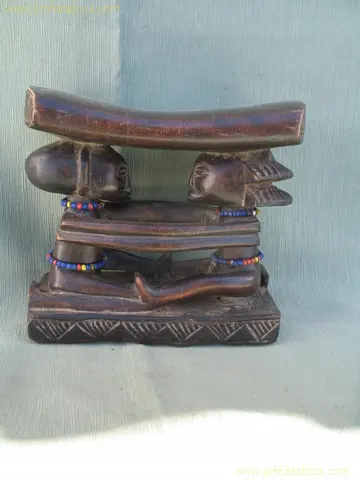
Caryatide reclining heads, with the typical luba hairstyles, one of them called in cascade.
RECL-4
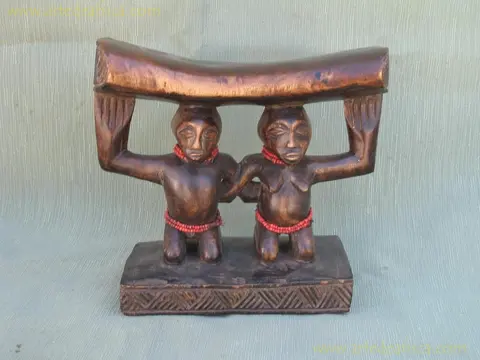
The existence of headrests or backrests from ancient Egypt is known.
RECL-8
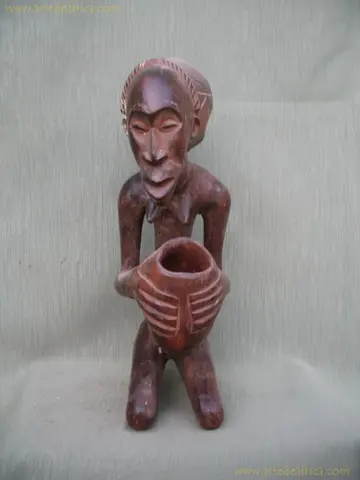
The bearers of a cup or a “loose woman’s statues” usually correspond to the well-known style of Buli, the master craftsman who…
EFM-73
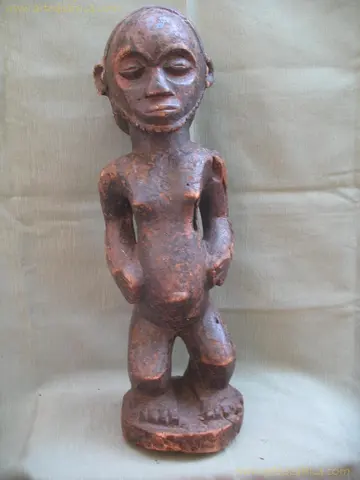
The mikisi or figures intended for worship often represent ancestors.
HYA-2
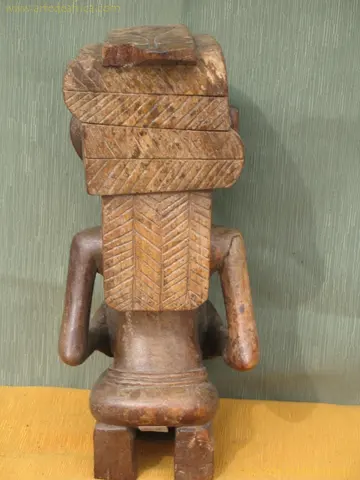
This name is given to the female statues carrying a cup of offerings in their hands, often kneeling, squatting or sitting on…
EFM-91
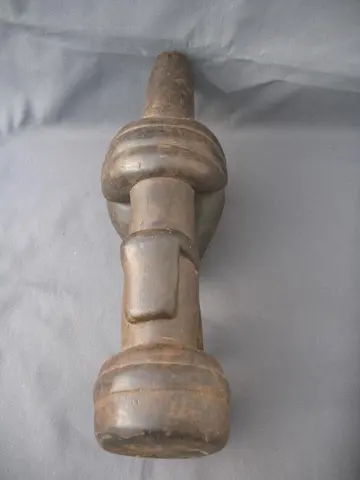
The pipe is a prestigious object, essentially masculine, that indicates the rank of its owner.
PIP-19
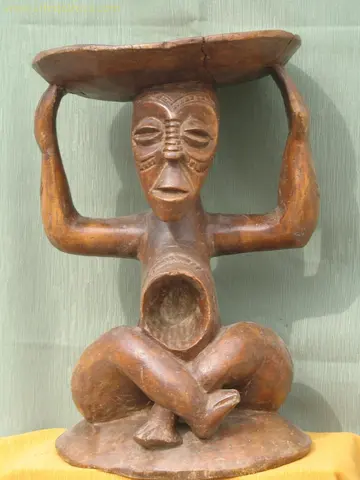
Three terms which, in large part of the African peoples, are used interchangeably.
TAB-7
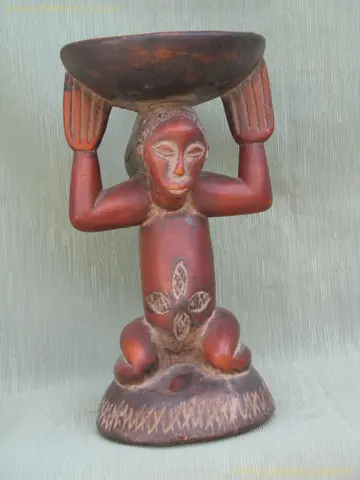
Three terms which, in large part of the African peoples, are used interchangeably.
TAB-10
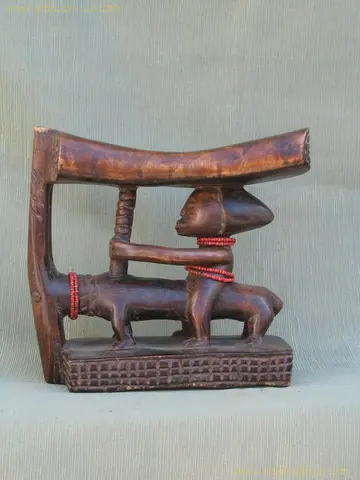
Luba stools are made up of one or two cariatids.
RECL-14
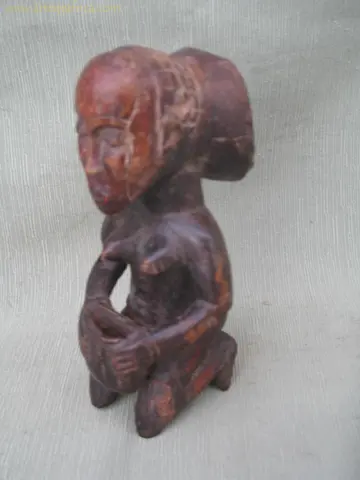
This name is given to the female statues carrying a cup of offerings in their hands, often kneeling, squatting or sitting on…
EFM-109
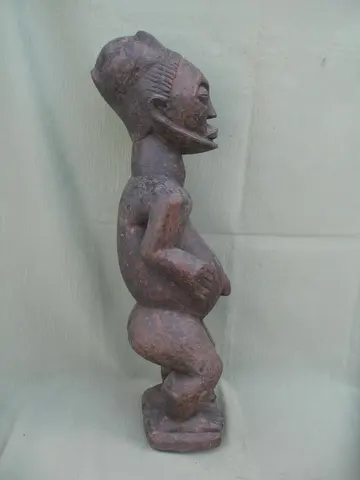
Statue Luba of good dimensions with remains of abundant patina sacrificial. hands on the sides of the belly as a sign of…
EMS-110
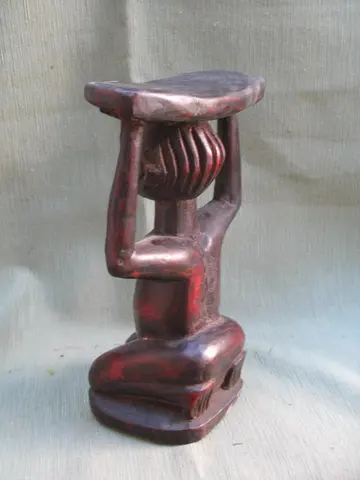
Small stool with a female figure in a kneeling position, carrying a seat base over his head.
TAB-15
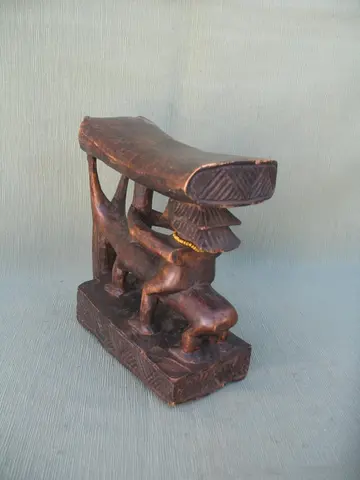
This stool represents a woman on an antelope, by the shape of her horns, which serves as a mount.
RECL-17
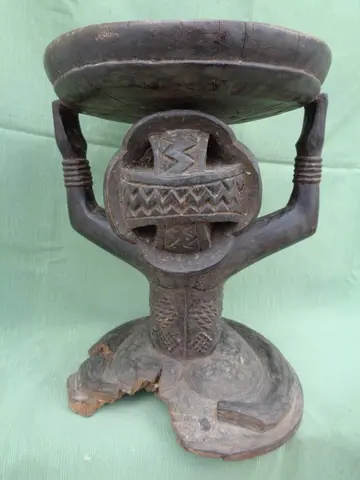
Luba stools are made up of one or two cariatids.
TAB-17
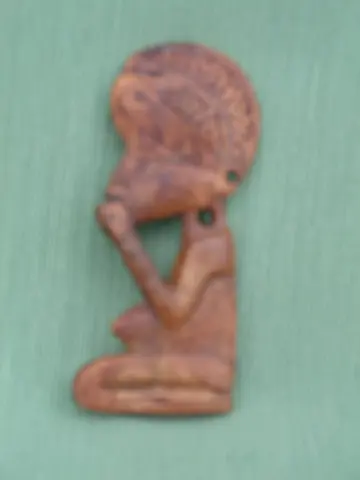
Weird hanging representing a pregnant woman on her knees in a supplicative attitude.
CYA-20


