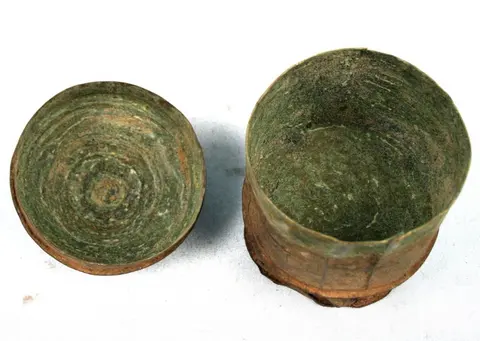
Forowa
A Forowa container, attributed to Akan in the catalogue. Explore its different views and original description.
APO-23

Geometric weights, figures and containers attributed to Akan cultures. Discover their details in the photographs and explore the references and documentation for each object.
Explore also: Ghana · Geometric weights · Gold-weighing accessories
Geometric weights were used in the gold-dust trade. The Met distinguishes these tools from some metal figures associated with proverbs, which may have had other uses.
Context source: The Metropolitan Museum of Art · Geometric gold weight.
Excerpt from the historical catalogue · translation from Spanish · Jesús Arrimadas Saavedra · APO-23
Containers resembling kuduo are known as forowa and are frequently confused with them. They were intended to hold jewellery and small valuables, such as gold weights, and sometimes gold dust and nuggets.
Attributions and interpretations in historical texts are preserved as documentation from the original catalogue.
154 objects · page 1 of 7
A Forowa container, attributed to Akan in the catalogue. Explore its different views and original description.
APO-23
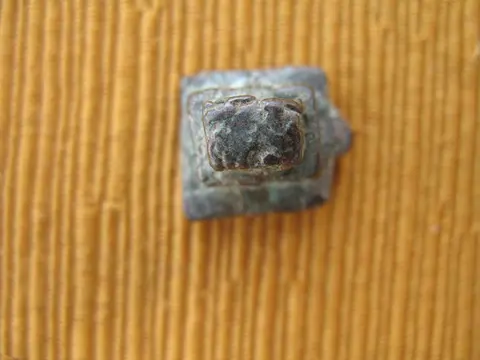
A geometric weight with recorded dimensions and material. Explore the photographic details and catalogue documentation.
PGM-9

An Akan weight with an X-shaped motif described in the catalogue. Includes photographs of its details.
PGM-183
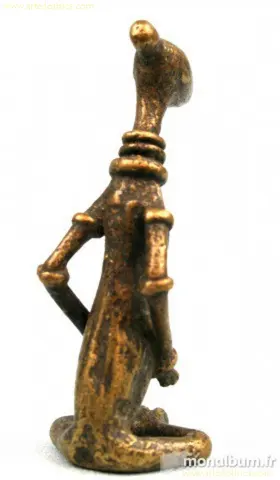
Small figure of a sitting woman wearing collars on her neck and wristbands. In addition to ornamenting these strainers and bracelets serve…
BRN-42
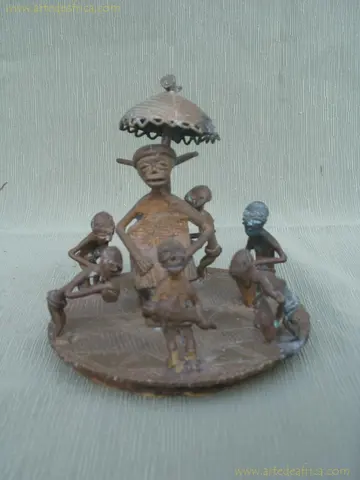
Small bronze container, circular base, about 15 to 20 centimeters. Without the lid it does not usually pass from 10 or 15.…
APO-2
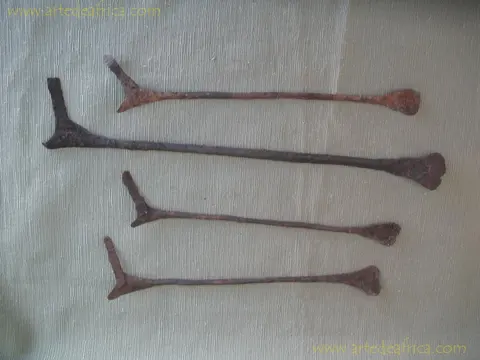
This name is given to cauris, ceramic beads, bronze handles and bracelets, small bronze or iron bars, tools and tools of tillage,…
MND-1
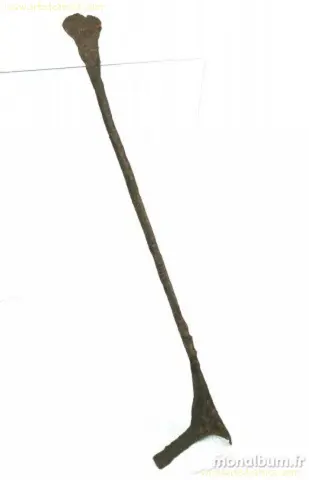
Former bronze coin used in Ivory Coast and much of West Africa until the turn of the century XIXIt's a grooved bar…
PAR-4
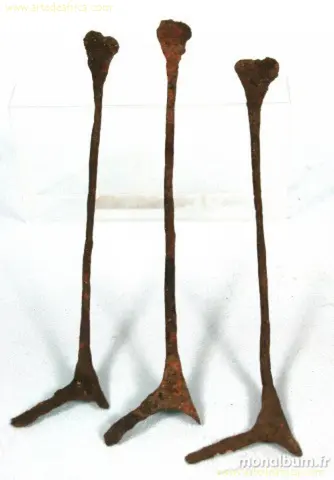
This name is given to cauris, ceramic beads, bronze handles and bracelets, small bronze or iron bars, tools and tools of tillage,…
MND-7
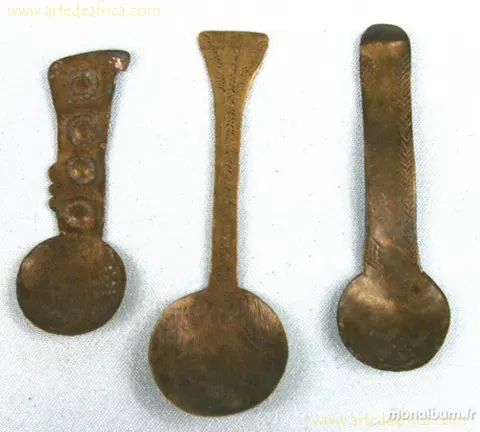
Spoons from the first half of the century XIX. The largest measures 7,5 cm, 6,6 median and 5,6 The different alloys of…
APO-3
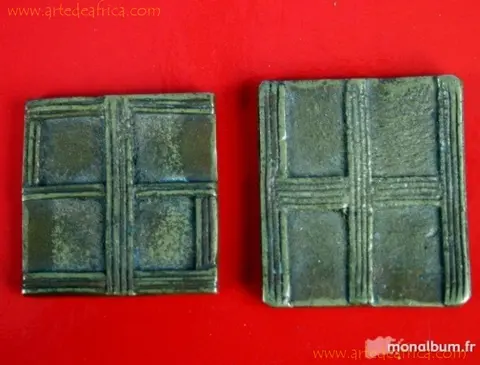
Weighing weights the gold dust of the century XIX, coming from the country baulé. The greater weight measures 3,8 cm and 3,1…
PGM-1
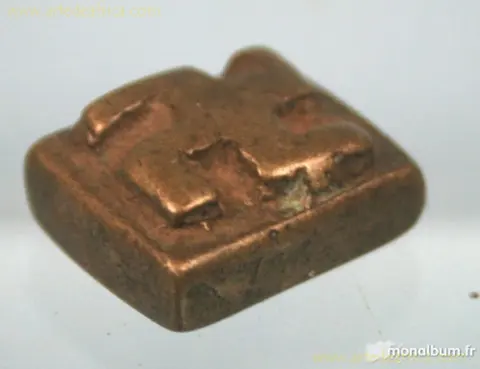
Ancient weights representing different types of swastika, cross that comes from the written script of the 5th century B.D. C. It is…
PGM-2
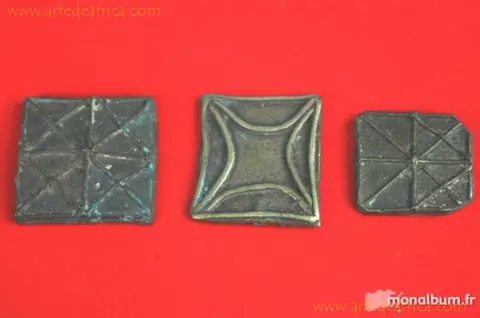
You weigh the gold akan, coming from the country baulé. Two weights measure 2,5 cm and the smallest 2,00 cm.
PGM-3
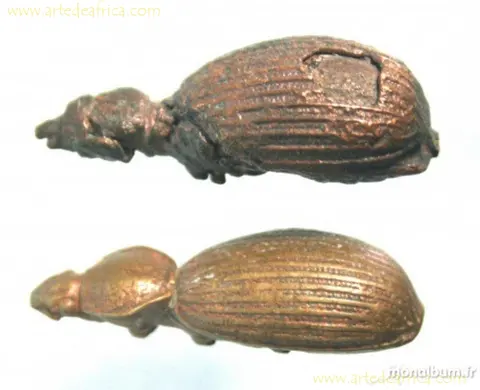
The largest insect measures 4,8 cm and minor 4,7. According to custom Akan These bronze weights have been melted by the procedure…
PFG-3
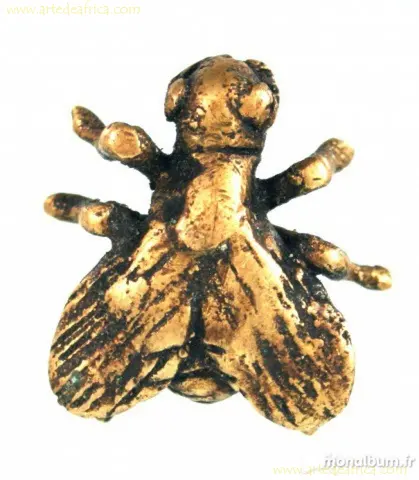
Real representation of a thick fly. Insect weights were made with a live animal, wrapping the animal in wax to remove the…
PFG-5

Palette used in the century XIX to clean the gold dust from foreign particles, like grains of sand. They get the name…
APO-4
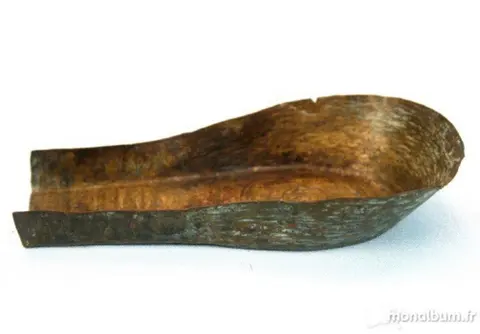
Palette used in the century XIX to clean the gold dust from foreign particles, like grains of sand. They get the name…
APO-5
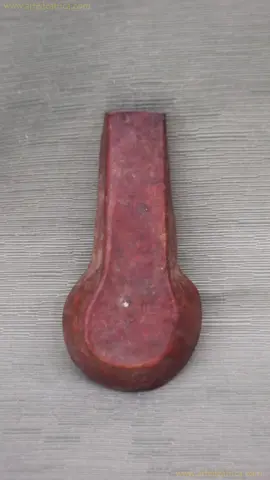
Palette used in the century XIX to clean the gold dust from foreign particles, like grains of sand. They get the name…
APO-6
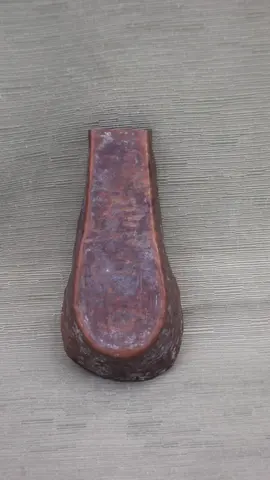
Palette used in the century XIX to clean the gold dust from foreign particles, like grains of sand. They get the name…
APO-7
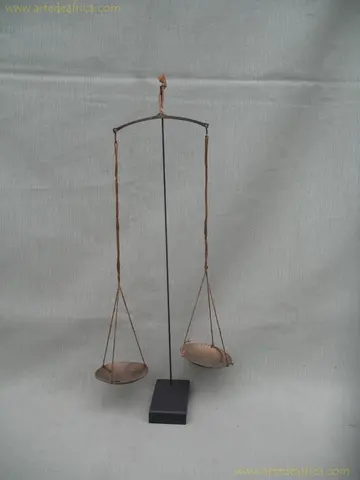
Typical Nsania scales intended to weigh gold dust Akan, used in Ivory Coast and Ghana. They perform heavy 10 a 30 Old…
APO-8
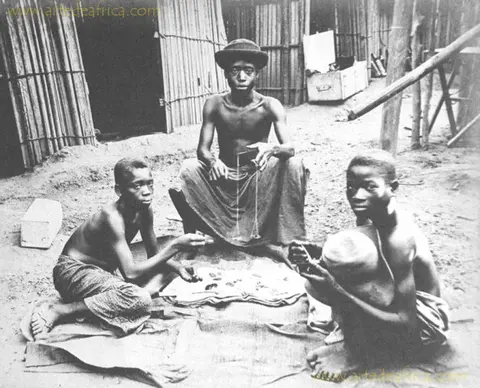
Balance weighs the gold dust Akanwidely used in Ivory Coast and Ghana.
APO-9
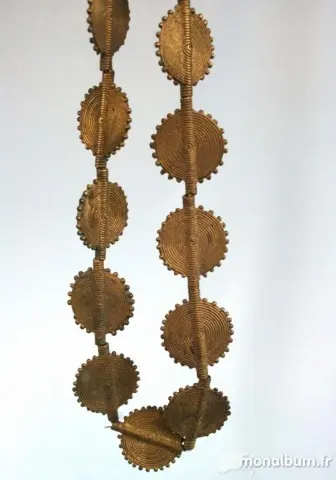
Necklace of ceremony carried by a remarkable baulé or ashanti. It is formed by 24 Spherical discs toothed.
COLL-8
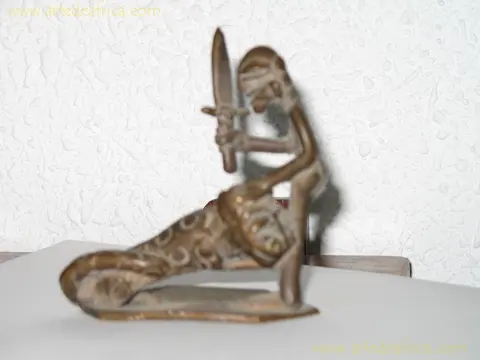
It's hard to hold back a man hunting a leopard with his sword.
PDP-1
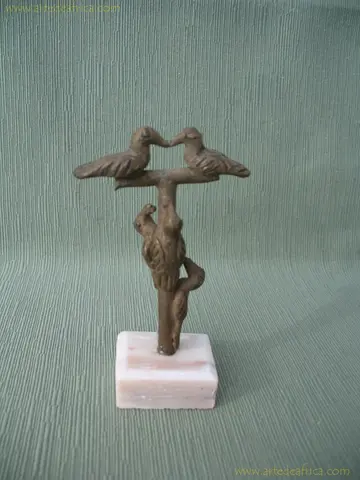
Birds up on a branch, union makes strength. They also mean wealth. It weighs with proverbial value: Only birds of the same…
PDP-2
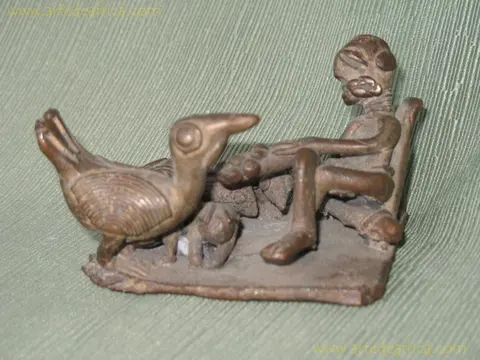
Scene of a woman feeding her domestic birds. "I feed you today so that you feed me tomorrow."
PDP-3


